How to Choose the Right Laundry Sink with Scrub Board: A No-Nonsense Buyer’s Guide for US Homes
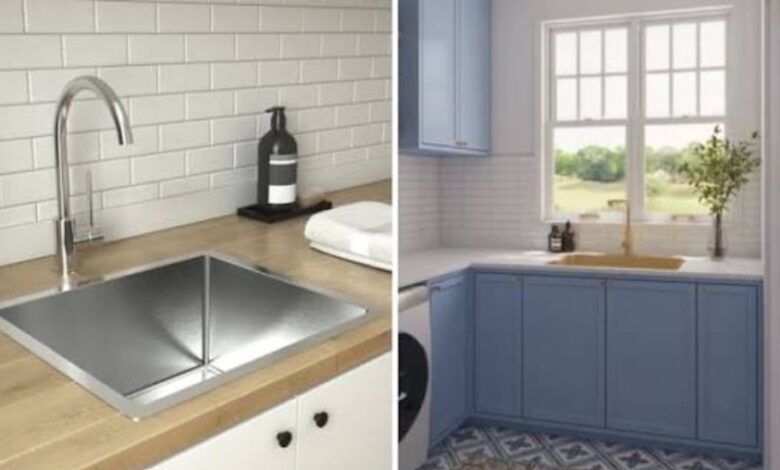
In most American households, the laundry area is one of the most consistently used spaces in the home. It handles everything from weekly clothing cycles to seasonal deep-cleaning tasks, muddy sports gear, and workshop cleanup. Despite this, many homeowners treat the utility sink as an afterthought — selecting whatever fits the space or matches a budget, without considering how the sink will actually perform over years of real use.
The result is a predictable pattern: undersized basins that overflow, surfaces that crack under pressure, and drains that clog from heavy debris. These are not manufacturing defects in most cases. They are the outcome of poor selection decisions made without a clear understanding of what the sink needs to do.
This guide is written for homeowners who are either building a new laundry room, renovating an existing one, or replacing a utility sink that has reached the end of its useful life. The focus is practical: what to evaluate, why those factors matter, and how to avoid common errors that create operational problems later.
Understanding What a Laundry Sink with Scrub Board Is Actually Designed to Do
A laundry sink with scrub board is a purpose-built utility fixture that combines a deep basin for soaking and rinsing with an integrated ridged washing surface mounted along one or both sides of the sink. The scrub board — sometimes called a washboard panel — allows for hand-scrubbing of heavily soiled garments directly within the fixture, without needing a separate surface or improvised setup. This design has a long functional history in American homes and has evolved into a range of modern materials and configurations that suit both traditional laundry rooms and dedicated utility spaces.
The combination of basin and scrub surface matters because it keeps the washing process contained. Splashing, debris, and runoff from scrubbing stay within the sink area rather than spreading to surrounding counters or floors. For households that regularly deal with workwear, gardening clothes, children’s play clothing, or athletic gear, this containment is not a minor convenience — it is a meaningful reduction in cleanup time and surface maintenance.
If you are evaluating options for your home, reviewing a purpose-built laundry sink with scrub board will give you a clearer sense of how these fixtures are structured and what distinguishes them from standard utility or slop sinks.
The Scrub Board as a Functional Element, Not a Design Feature
It is worth addressing a common misconception: the scrub board on a laundry sink is not a stylistic or vintage element added for visual character. It is a working surface designed to create friction between the fabric and a ridged panel, which loosens embedded dirt and stains that soaking alone cannot remove. This matters particularly for natural fabrics, heavy canvas, and denim, where machine agitation is often insufficient for localized soiling.
When the scrub board is integrated into the sink unit rather than attached separately or improvised, the structural integrity of the washing process improves. The panel is positioned at the correct angle relative to the basin, the user’s posture is more ergonomic, and water drains back into the basin rather than pooling elsewhere. A separately attached scrub surface, by contrast, can shift during use, collect water underneath, and deteriorate faster because it was not engineered as part of a unified fixture.
Material Selection and Why It Determines Long-Term Performance
The material of a laundry sink determines how the fixture holds up under repeated exposure to water, cleaning chemicals, heavy objects, and temperature changes. This is not a cosmetic decision. A sink that looks appropriate in a showroom can degrade significantly within a few years if the material was not suited for the actual conditions of use in that household.
Fiberglass and Composite Materials
Fiberglass utility sinks are lightweight and relatively affordable, which makes them a common choice for budget renovations. However, fiberglass surfaces are prone to surface scratching over time, and those scratches can harbor bacteria and become difficult to clean thoroughly. For light-duty laundry use in households without heavy soiling demands, fiberglass may be adequate. For regular hand-scrubbing, heavy garments, or chemical exposure from industrial-grade detergents, the surface will show wear faster than other materials.
Composite materials — typically a blend of stone resin or acrylic compounds — offer better resistance to abrasion and chemical exposure, and they maintain their surface finish longer under daily use. The trade-off is higher upfront cost and somewhat greater weight, which affects installation requirements and cabinet or floor support planning.
Cast Iron and Coated Steel
Cast iron laundry sinks were the standard in American homes for much of the twentieth century, and they remain among the most durable options available. A properly maintained cast iron sink with a porcelain enamel coating can last for several decades without structural degradation. The surface resists chipping, does not scratch easily, and holds up under the physical demands of hand-washing heavy fabrics.
The limitation of cast iron is its weight, which requires solid floor support and careful installation planning. It is also more expensive than fiberglass or basic polymer options. Coated steel offers some of the same surface durability at a lower weight, but it is more vulnerable to chipping at the edges, and once the coating is compromised, rust can develop relatively quickly in a wet environment.
Basin Depth and Configuration Relative to Household Workflow
The depth and width of the basin determine what the sink can physically accommodate during use. A basin that is too shallow will cause splashing during rinsing and limit how much water can be held during soaking cycles. A basin that is too narrow restricts the ability to scrub bulky items like jackets, blankets, or work pants without the fabric bunching against the walls.
Households that primarily use the utility sink for light handwashing and rinsing can manage with a standard basin configuration. Households that depend on the sink for pre-treating heavily soiled garments, cleaning sports equipment, or managing household tasks beyond laundry — such as plant care or pet grooming — need a deeper, wider basin that provides genuine working room.
Single Basin Versus Divided Basin Configurations
A single-basin laundry sink provides the maximum usable interior space, which is particularly valuable when washing large or bulky items. The absence of a center divider means there is no obstruction when manipulating garments, and soaking can happen across the full basin floor area. This configuration works best when the primary use case involves one task at a time.
A divided basin, by contrast, allows simultaneous soaking and rinsing — one side holds the soaking garment while the other is used for rinsing or scrubbing. This arrangement is useful in households with higher laundry volumes or where multiple items need to move through a hand-washing sequence efficiently. The trade-off is reduced usable depth on each side, which can be a meaningful limitation for bulkier items.
Faucet Compatibility and Mounting Considerations
The faucet configuration of a utility sink is often selected after the sink itself, which is a sequencing error that creates installation complications. The sink unit should be evaluated with faucet compatibility in mind from the start, including the number of pre-drilled mounting holes, the deck spacing between holes, and whether the sink supports wall-mounted or deck-mounted faucet styles.
Utility sinks used for heavy-duty washing benefit from faucets with a higher flow rate than standard residential kitchen faucets. The ability to fill the basin quickly matters when the user is moving through multiple soaking and rinsing cycles. A faucet with a pull-out or extended spout also allows for directing water to specific areas of the basin or scrub surface, which improves control during the washing process.
Wall-Mounted Versus Freestanding Installation
Wall-mounted laundry sinks require solid structural support within the wall and are typically better suited to dedicated utility rooms where plumbing can be positioned correctly during a renovation. They free up floor space and make cleaning underneath the sink straightforward.
Freestanding sinks with integrated cabinet bases offer enclosed storage beneath the basin, which is practical in laundry rooms where space is limited. The cabinet base also simplifies installation in some cases, since the plumbing connections can be made within the cabinet interior rather than requiring wall penetration. According to the U.S. Department of Energy, utility spaces that are well-organized and efficiently laid out contribute to lower household energy and water use over time, which reinforces the value of planning the full utility room configuration — not just the sink — before purchase decisions are made.
Drainage Design and Its Effect on Maintenance Requirements
Drainage performance is one of the most overlooked aspects of laundry sink selection, and it is often the source of the most persistent operational problems. A sink used for hand-washing clothes will regularly introduce lint, fabric fibers, and debris into the drain. A sink used for cleaning gardening tools or outdoor gear will introduce soil and particulate matter. The drain configuration needs to accommodate this reality without requiring frequent intervention.
Sinks with larger drain openings and removable strainer baskets are significantly easier to maintain than those with fixed or narrow drains. The ability to remove and clean the strainer without tools means the user is more likely to do so regularly, which prevents buildup and slow drainage from developing into a more significant plumbing issue.
The positioning of the drain within the basin also matters. A centrally located or rear-positioned drain may leave standing water in the front corners of the basin after use, depending on how level the sink is installed. A drain positioned at the lowest natural point of the basin floor, with a slight slope built into the basin surface, eliminates this problem and keeps the sink dry between uses.
Closing Considerations for a Durable, Practical Selection
Choosing a laundry sink with a scrub board is a decision that will affect daily household operations for a decade or longer. The fixtures that perform well over that timeline share a consistent set of characteristics: materials suited to the actual intensity of use, basin dimensions that accommodate the household’s primary washing tasks, drainage designed for the type of debris the sink will regularly encounter, and a faucet configuration that supports efficient water delivery.
The most reliable approach to this decision is to map the selection criteria to what the sink will actually do in your household — not what a general recommendation suggests, and not what fits the smallest acceptable budget. A utility sink that is properly matched to its environment requires less maintenance, causes fewer plumbing issues, and supports a cleaner, more organized laundry room over its full service life. That outcome is worth the time it takes to evaluate the options carefully before committing to a purchase.