A Simple Security Checklist Before Your First Crypto Purchase
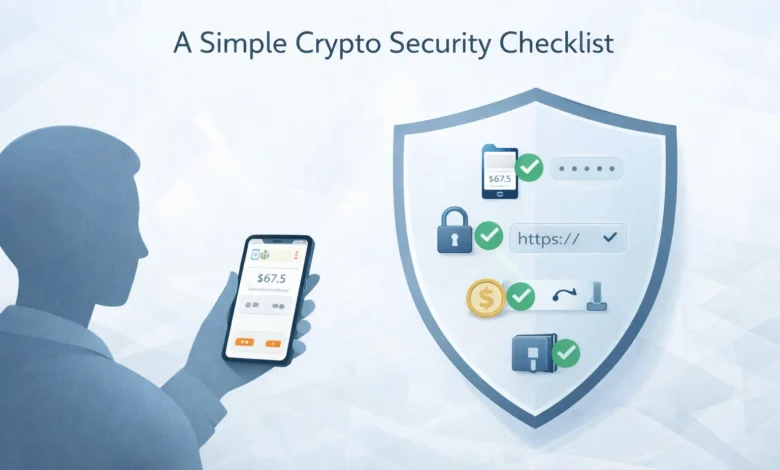
The crypto world offers exciting opportunities, but it also attracts risks that traditional finance rarely sees. Beginners often focus on which coin to buy or how much to invest, overlooking the most important step: protecting themselves from hacks, scams and simple mistakes. A single security slip-up can wipe out funds faster than any market move. Before making your first purchase, like instantly buy USDT or other assets, run through this basic checklist. It takes just a few minutes but can save you from the most common early losses. This guide is designed for newcomers who want to start safely and confidently.
Step 1: Choose a Reputable Platform
Not all platforms are equal. Pick one with a solid track record, regulation (even partial), and transparent operations. Look for features like two-factor authentication (2FA) required by default, proof of reserves, and segregated client funds.
Avoid sites promising unrealistic returns or skipping KYC entirely. Research user reviews and check for any major past incidents. A good platform makes security easy, not optional.
Tip: start with a small test deposit to see how the platform handles withdrawals and support.
Step 2: Set Up Strong Account Security
Enable two-factor authentication immediately, preferably using an authenticator app rather than SMS (SMS can be intercepted). Use a strong, unique password that you don’t reuse elsewhere.
Add anti-phishing codes if available. This helps you spot fake emails pretending to be from the platform.
Never share login details, recovery codes or seed phrases. Scammers often pose as support staff to steal them.
Step 3: Verify the Platform and Website
Always double-check the URL before entering credentials. Look for “https” and the correct domain. Fake sites copy real ones almost perfectly.
Bookmark the official site and use that bookmark every time. Avoid clicking links from emails or messages, type the address manually.
Check for SSL certificate (padlock icon) and hover over links to confirm they lead to the real domain.
Step 4: Start with a Small Test Transaction
Before committing larger amounts, make a small purchase (like $50-100). Withdraw a portion to your personal wallet to test the process.
This confirms the platform works as expected and lets you practice secure transfers without risking much.
Tip: use a separate email and strong password for your crypto accounts to isolate them from other online activity.
Step 5: Understand Basic Wallet Security
For larger amounts, move assets to a personal wallet. Hardware wallets provide the highest security by keeping keys offline.
If using software wallets, enable biometric locks and backups. Never store seed phrases digitally or share them.
Practice sending small test amounts to your wallet before moving significant funds.
Common Beginner Security Mistakes to Avoid
Using the same password across sites, leading to credential stuffing attacks.
Falling for phishing emails that look identical to real platform messages.
Skipping 2FA because it’s “inconvenient.”
Entering credentials on public Wi-Fi.
Rushing to buy without verifying the platform or URL.
Conclusion
A simple security checklist before your first crypto purchase protects you from most common threats. Choose a reputable platform, enable 2FA, verify URLs, start small, and understand wallet basics. These steps take minutes but prevent major losses. Crypto offers great potential, but it rewards caution and preparation. Start safely, learn steadily, and build confidence one secure step at a time. In digital assets, security isn’t optional, it’s your foundation.