Acryldach: The Modern Roofing Solution for Light, Style, and Durability
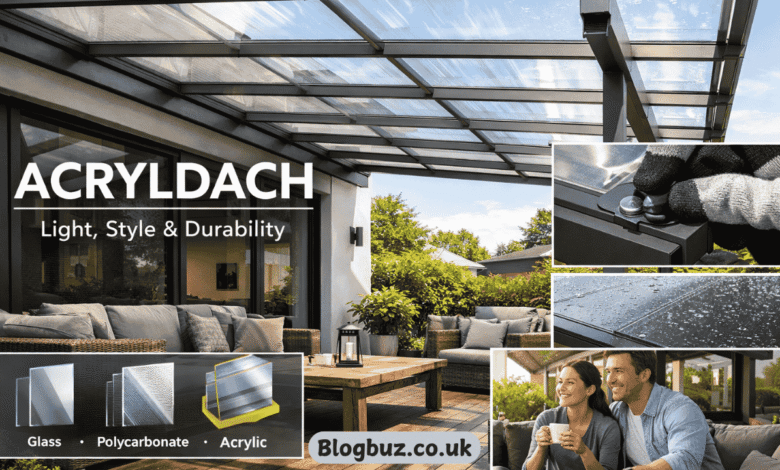
An acryldach (acrylic roof) has become one of the most popular roofing solutions for homeowners, architects, and commercial builders who want a combination of durability, elegance, and natural light. Made from high-quality acrylic glass (PMMA), this roofing option offers a modern alternative to traditional materials such as metal, tiles, or polycarbonate sheets. In this comprehensive guide, you will learn what an acryldach is, its advantages and disadvantages, where it is commonly used, how it compares to other roofing materials, installation tips, maintenance advice, and how to decide whether it is the right choice for your project.
What Is an Acryldach?
An acryldach is a roof constructed from acrylic panels or sheets, often called acrylic glass or Plexiglas. Acrylic is a lightweight yet strong plastic material known for its excellent transparency, UV resistance, and long lifespan.
Unlike opaque roofing systems, an acryldach allows sunlight to pass through while still protecting the space below from rain, wind, and snow. This makes it ideal for structures where brightness and visual openness are desired, such as:
- Terraces and patios
- Carports
- Garden rooms
- Balconies
- Walkways and entrances
- Greenhouses
- Commercial outdoor areas
Because of its clean appearance and practical benefits, the acryldach is widely used in both residential and commercial construction.
Key Advantages of an Acryldach
Choosing an acryldach comes with many benefits that explain its growing popularity.
Excellent Light Transmission
Acrylic panels can transmit up to 92% of visible light. This creates a bright and pleasant atmosphere beneath the roof without the need for artificial lighting during the day.
UV Resistance
High-quality acrylic sheets are naturally resistant to ultraviolet radiation. They do not yellow or become brittle quickly, even after years of sun exposure.
Long Lifespan
An acryldach can last 20–30 years or more with proper care. Acrylic is resistant to weathering, moisture, and temperature changes.
Lightweight Material
Compared to glass or concrete roofing, acrylic is much lighter. This reduces structural load and simplifies installation.
Modern Appearance
The sleek, transparent look of an acryldach adds a contemporary aesthetic to any building or outdoor structure.
Design Flexibility
Acrylic roofing is available in different forms:
- Flat sheets
- Corrugated panels
- Trapezoidal profiles
- Clear, frosted, or tinted finishes
This allows customization to suit architectural style and functional needs.
Disadvantages to Consider
While an acryldach offers many advantages, it is not without drawbacks.
Higher Cost
Acrylic roofing is more expensive than polycarbonate or PVC sheets. However, this cost is often justified by its durability and clarity.
Scratch Sensitivity
Acrylic can scratch more easily than glass or metal. Careful handling and cleaning are necessary.
Noise During Rain
Like most plastic roofs, an acryldach can be louder during heavy rain or hail compared to traditional roofing materials.
Thermal Expansion
Acrylic expands and contracts with temperature changes, so proper spacing during installation is critical to avoid cracking.
Common Applications of an Acryldach
The versatility of acrylic roofing allows it to be used in many scenarios.
Residential Uses
- Patio and terrace covers
- Balcony roofs
- Carports
- Pool enclosures
- Pergolas
Commercial Uses
- Restaurant outdoor seating areas
- Shopping center walkways
- Office building entrances
- Public transport shelters
The ability to combine weather protection with natural lighting makes the acryldach especially attractive in spaces where comfort and visibility matter.
Acryldach vs Other Roofing Materials
To understand the true value of an acryldach, it helps to compare it with alternatives.
Acryldach vs Polycarbonate
| Light transmission | Very high | High |
| Scratch resistance | Lower | Higher |
| UV resistance | Excellent | Good (with coating) |
| Price | Higher | Lower |
| Longevity | Longer | Moderate |
Acrylic is preferred when clarity and aesthetics are priorities, while polycarbonate is chosen for impact resistance.
Acryldach vs Glass
| Weight | Lightweight | Heavy |
| Impact resistance | High | Low |
| Installation | Easy | Difficult |
| Cost | Moderate | High |
Glass offers premium aesthetics but is fragile and heavy. Acrylic offers a safer, more practical alternative.
Acryldach vs Metal Roofing
Metal roofing is strong and durable but blocks light completely. If brightness and openness are important, an acryldach is the better option.
Installation Tips for an Acryldach
Proper installation is crucial for performance and longevity.
Choose the Right Thickness
Common thicknesses range from 3 mm to 8 mm or more depending on span and load requirements.
Use Proper Fasteners
Always use rubber-sealed screws or specialized mounting systems to prevent water leakage and cracking.
Allow for Expansion
Leave expansion gaps (usually 3–5 mm per meter) between panels to accommodate temperature changes.
Correct Roof Pitch
A minimum slope of 5–10 degrees ensures efficient water drainage.
Professional Installation
Although DIY installation is possible, professional installation is recommended for larger structures.
Maintenance and Cleaning
Maintaining an acryldach is simple but important.
Cleaning Tips
- Use lukewarm water and mild soap
- Soft cloth or sponge only
- Avoid abrasive cleaners
- Do not use alcohol or ammonia-based products
Regular Inspection
- Check fasteners annually
- Look for cracks or warping
- Remove leaves and debris from gutters
With minimal care, your acryldach will remain clear and functional for decades.
Environmental Considerations
Modern acrylic panels are recyclable and energy-efficient, helping reduce the need for artificial lighting. Some manufacturers offer eco-friendly production processes and recyclable materials.
However, since acrylic is a plastic-based product, responsible disposal and recycling are important to minimize environmental impact.
Cost Overview
The price of an acryldach depends on:
- Panel thickness
- Size of the roof
- Profile type
- Installation method
- Region and supplier
Approximate Price Range (Material Only)
- €25 – €60 per m² for standard sheets
- €60 – €120+ per m² for premium or UV-coated panels
Installation costs vary based on complexity.
Is an Acryldach Right for You?
An acryldach is an excellent choice if you:
- Want maximum natural light
- Prefer a modern design
- Need weather protection without blocking visibility
- Value long-term durability
It may not be ideal if:
- You need maximum impact resistance (polycarbonate may be better)
- You have a limited budget
- Noise reduction is a top priority
Conclusion
An acryldach represents a perfect balance between functionality and aesthetics. With its high light transmission, long lifespan, and modern appearance, it is one of the most versatile roofing solutions available today.
You May Also Read: Protecting Your Home from the Top Down: A Guide to Modern Roofing Solutions