Crafting Immersion: The Art and Science Behind Memorable Escape Room Experiences
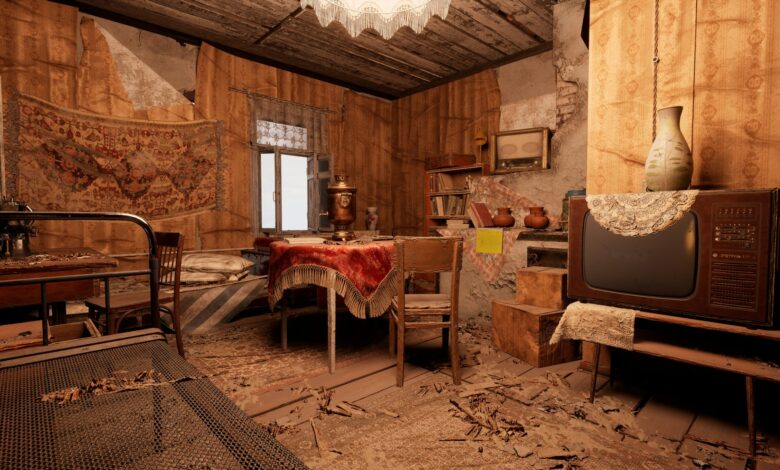
In the world of experiential entertainment, few formats have captured the public imagination quite like the escape room. What began as a niche puzzle challenge has evolved into a global phenomenon — blending storytelling, psychology, and tactile interaction to create moments of tension, collaboration, and triumph.
But behind every thrilling 60-minute adventure lies a carefully curated ecosystem of design choices, narrative coherence, and, most critically, physical components that turn abstract clues into tangible discovery.
At the heart of this physical layer are escape room props — the locks, mechanisms, hidden compartments, and interactive objects that transform a themed room into a living puzzle. These elements do more than just look the part; they must function reliably, integrate seamlessly with the story, and withstand constant use by enthusiastic players.
For creators — whether launching a commercial venue or designing a home-based experience — the quality and ingenuity of these props can make the difference between a forgettable activity and an unforgettable journey.
Unlike digital games, escape rooms thrive on sensory engagement. Players don’t just click buttons — they turn keys, decode ciphers, manipulate levers, and uncover secrets hidden in plain sight. This hands-on nature demands props that are not only visually convincing but also durable, safe, and intuitive enough to avoid frustrating players without sacrificing challenge.
So, what makes an escape room prop truly effective? Beyond aesthetics, successful components share several key traits:
Narrative Integration: The best props feel like organic parts of the story — whether it’s a vintage radio in a 1940s spy room or a futuristic keypad in a sci-fi lab. They shouldn’t feel “tacked on” but rather essential to the world being built.
Reliability Under Pressure: Rooms may host dozens of groups per week. Props must operate consistently without jamming, breaking, or requiring constant technician intervention.
Scalable Complexity: A great prop can offer layered interaction — simple enough for casual players to solve with teamwork, yet clever enough to delight seasoned enthusiasts.
Safety and Accessibility: All mechanisms should be safe for diverse users, avoiding sharp edges, excessive force requirements, or small parts that could pose choking hazards.
Ease of Reset: Staff need to quickly reset rooms between sessions. Props with clear “on/off” states or automatic reset features save time and reduce errors.
For entrepreneurs and designers, sourcing or creating these elements presents a strategic choice: build from scratch or leverage specialized resources. While DIY solutions offer creative freedom, they often require significant time, technical skill, and prototyping. On the other hand, curated collections of pre-engineered props allow creators to focus on storytelling, flow, and customer experience — knowing the mechanics will work as intended.
The Escape Room Designer’s Workflow
When developing a new room, many designers follow a structured approach:
Define the Core Narrative
Start with the story: Who are the players? What’s their mission? The plot drives every design decision — from lighting to sound to the types of puzzles used.
Map the Player Journey
Outline the sequence of challenges, ensuring logical progression and pacing. Avoid bottlenecks where one unsolved puzzle halts all progress.
Select Puzzle Types That Serve the Story
Common categories include:
- Physical manipulation (e.g., assembling artifacts, aligning symbols)
- Logic and deduction (e.g., Sudoku-style grids, pattern recognition)
- Audio/visual clues (e.g., UV messages, Morse code from a recording)
- Team coordination (e.g., tasks requiring players in separate rooms to communicate)
Choose or Customize Props Accordingly
Match each puzzle to a physical object that enhances immersion — like a cryptex for a treasure hunt or a magnetic lock for a high-security vault.
Test Rigorously
Run multiple playtests with varied groups to identify confusing steps, broken flows, or unintended shortcuts.
The global escape room community continues to innovate, with themes ranging from haunted asylums to time-travel labs, and even educational rooms used in schools and corporate training. This diversity fuels demand for versatile, high-quality components that can adapt across genres.
Moreover, as the industry matures, sustainability and reusability are gaining attention. Modular props that can be repurposed across different rooms help reduce waste and lower long-term costs — a key consideration for business owners.
Ultimately, the magic of an escape room doesn’t come from a single element, but from the harmony between story, space, and interactivity. And at the center of that interactivity are the props — silent yet essential collaborators in the art of immersion.
For creators seeking inspiration, technical reliability, or a starting point for their next project, exploring specialized resources can accelerate development while maintaining creative integrity. One such destination offers a thoughtfully assembled collection designed to support both beginners and seasoned designers in bringing their visions to life.