Digital Wallet Platforms: Transforming How We Pay in 2026
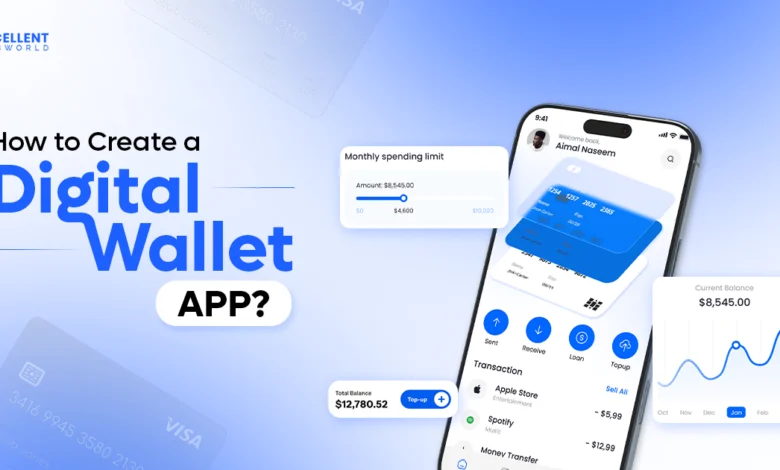
The way people pay for goods and services has undergone a dramatic transformation over the past decade. What once required cash, physical cards, or bank visits has now shifted toward seamless, mobile-first experiences. In 2026, digital wallets have moved beyond convenience tools, they are now central to financial ecosystems, influencing commerce, banking, and even identity management. As adoption accelerates globally, the role of the digital wallet platform has become increasingly critical in shaping how individuals and businesses interact financially.
The Evolution of Payment Systems
Traditional payment systems were built around physical infrastructure, cash registers, bank branches, and card terminals. While credit and debit cards introduced a level of abstraction, they still relied heavily on physical presence and intermediaries.
The emergence of smartphones marked the beginning of a new era. Mobile applications enabled users to store payment credentials digitally, eliminating the need to carry physical wallets. Over time, these solutions evolved into comprehensive ecosystems capable of handling not just payments, but also peer-to-peer transfers, bill payments, ticketing, loyalty programs, and more.
By 2026, these systems have matured into integrated financial hubs. A modern digital wallet platform is no longer just a storage tool, it functions as a gateway to a wide range of financial services.
Key Features Driving Adoption
Several core features have contributed to the widespread adoption of digital wallets:
1. Convenience and Speed
Transactions can now be completed in seconds using QR codes, NFC (Near Field Communication), or biometric authentication. Users no longer need to manually enter card details or carry cash.
2. Enhanced Security
Advanced encryption, tokenization, and biometric verification (fingerprint, facial recognition) significantly reduce the risk of fraud. Sensitive data is not directly exposed during transactions, adding multiple layers of protection.
3. Integration with Financial Services
Modern wallets are integrated with bank accounts, credit lines, investment tools, and even cryptocurrency holdings. This convergence allows users to manage their finances in one place.
4. Global Accessibility
Cross-border payments have become more accessible, enabling users to transact internationally with minimal friction. Currency conversion is often handled automatically within the wallet interface.
5. Rewards and Personalization
Loyalty programs, cashback incentives, and AI-driven recommendations enhance user engagement. Businesses leverage data insights to deliver personalized offers and experiences.
These features collectively make digital wallets a preferred choice over traditional methods, especially among younger, tech-savvy populations.
The Role of AI and Automation
Artificial intelligence has significantly enhanced the functionality of digital wallets. In 2026, AI is deeply embedded into transaction systems, enabling predictive analytics, fraud detection, and personalized financial insights.
For example, AI algorithms can analyze spending patterns and suggest budgeting strategies or alert users about unusual activity. Chatbots and virtual assistants integrated within wallets allow users to manage transactions through voice or text commands.
Automation also plays a key role in recurring payments, subscription management, and expense tracking. A well-designed digital wallet platform can automatically categorize expenses, forecast future spending, and optimize financial behavior without manual input.
Impact on E-Commerce and Retail
E-commerce has been one of the biggest beneficiaries of digital wallet adoption. The checkout experience has become faster and more streamlined, reducing cart abandonment rates and improving conversion metrics.
In physical retail environments, contactless payments have become standard. QR codes and NFC-enabled terminals allow customers to complete transactions without physical cards. This shift has also reduced queue times and improved operational efficiency.
Retailers are increasingly integrating loyalty programs directly into wallets, eliminating the need for separate membership cards or apps. This unified approach enhances customer retention and simplifies engagement.
Financial Inclusion and Emerging Markets
One of the most significant impacts of digital wallets is their role in promoting financial inclusion. In regions where traditional banking infrastructure is limited, mobile-based wallets provide access to essential financial services.
Users without bank accounts can still send and receive money, pay bills, and store funds digitally. This has been particularly transformative in developing economies, where mobile penetration often exceeds banking penetration.
Governments and financial institutions are also leveraging wallet systems to distribute subsidies, pensions, and welfare payments efficiently. This reduces administrative overhead and ensures faster delivery of funds.
Security Challenges and Risk Management
Despite their advantages, digital wallets are not without risks. Cybersecurity remains a critical concern, as attackers continuously develop new methods to exploit vulnerabilities.
Common threats include phishing attacks, malware, account takeover attempts, and identity theft. To mitigate these risks, wallet providers implement multi-factor authentication, real-time monitoring, and machine learning-based anomaly detection.
User education is equally important. Many breaches occur due to weak passwords, unsecured devices, or social engineering tactics. As a result, security awareness campaigns are often integrated into wallet ecosystems to guide users on best practices.
Regulatory compliance also plays a major role in ensuring trust. Governments impose strict guidelines on data protection, anti-money laundering (AML), and know-your-customer (KYC) procedures. A compliant digital wallet platform must adhere to these standards to operate legally and maintain user confidence.
Integration with Emerging Technologies
Digital wallets are increasingly integrating with other emerging technologies to expand their capabilities:
Blockchain and Cryptocurrencies
Some wallets support crypto assets, allowing users to store, send, and receive digital currencies alongside fiat money. Blockchain technology enhances transparency and reduces reliance on intermediaries.
Internet of Things (IoT)
Smart devices, such as wearable tech and connected cars, are enabling new payment experiences. Users can authorize transactions directly from devices without accessing their phones.
Biometric Authentication
Beyond fingerprints and facial recognition, advanced biometric systems such as voice recognition and behavioral biometrics are being explored to enhance security.
Augmented Reality (AR) and Virtual Environments
In virtual marketplaces and metaverse-like environments, wallets are used to facilitate in-app purchases and digital asset ownership.
These integrations highlight the expanding role of wallets beyond traditional financial use cases.
Business Opportunities and Monetization Models
The rise of digital wallets has created new revenue streams for businesses and service providers. Monetization models include transaction fees, subscription plans, premium features, and data-driven advertising.
For merchants, accepting digital payments reduces cash handling costs and improves transaction tracking. It also enables targeted marketing through wallet-integrated promotions.
Financial institutions are also leveraging wallet ecosystems to cross-sell services such as loans, insurance, and investment products. By analyzing user behavior, they can offer tailored financial solutions at the right time.
In addition, fintech startups are innovating rapidly, building niche solutions that cater to specific industries or user segments. A modern digital wallet platform often serves as the foundation for these innovations, providing APIs and infrastructure for third-party developers.
Challenges Facing the Industry
Despite rapid growth, several challenges persist:
Fragmentation
Multiple wallet providers operate across different regions, leading to interoperability issues. Users may need to maintain multiple wallets depending on geography or merchant acceptance.
Regulatory Complexity
Different countries have varying regulations, making it difficult for providers to scale globally without compliance challenges.
Trust and Adoption Barriers
Some users remain hesitant to adopt digital wallets due to concerns about privacy, security, or lack of familiarity.
Infrastructure Limitations
In areas with limited internet connectivity or outdated payment infrastructure, adoption can be slower.
Addressing these challenges requires collaboration between governments, financial institutions, and technology providers.
The Future of Payments Beyond 2026
Looking ahead, digital wallets are expected to become even more deeply embedded in everyday life. The concept of a wallet may evolve into a comprehensive identity and financial hub, integrating authentication, payments, and personal data management.
We may see greater convergence between banking apps and wallets, blurring the lines between traditional financial institutions and fintech platforms. Open banking initiatives will likely enhance interoperability, allowing users to connect multiple accounts and services seamlessly.
As artificial intelligence, blockchain, and biometric technologies continue to mature, the capabilities of a digital wallet platform will expand further, enabling more intelligent, secure, and autonomous financial interactions.
Conclusion
The transformation of payment systems reflects a broader shift toward digital-first lifestyles. In 2026, digital wallets are no longer optional conveniences, they are essential tools that underpin modern commerce and financial management.
From enhancing user experience and security to enabling global transactions and financial inclusion, digital wallets have redefined how value is exchanged. Businesses, consumers, and institutions alike are adapting to this new paradigm, driven by innovation and evolving expectations.
As technology continues to advance, the role of digital wallets will only grow stronger, shaping not just how we pay, but how we interact with money in an increasingly connected world.