Experiencing Europe Beyond the Crowds: A Smarter Way to Travel
Europe has a crowd problem. Not because people shouldn’t visit, but because too many trips follow the same compressed formula: fly in, queue up, tick landmarks, leave with photos that look identical to everyone else’s.
The continent didn’t become compelling by moving fast, yet modern travel keeps forcing speed where patience once defined the experience.
There is another way to move through Europe, one that trades congestion for continuity. Best river cruises through Europe offer access without friction, perspective without pressure, and movement without exhaustion. This isn’t about luxury posturing or passive sightseeing. It’s about positioning yourself where Europe still feels lived-in, not staged.
Why Rivers Still Make Sense in a Hyper-Connected World
Rivers shaped Europe long before airports and highways. Cities grew around them for practical reasons, which is exactly why they remain relevant today. Traveling by river doesn’t fight geography; it follows it. That simple alignment changes everything about how places are experienced.
Unlike road or rail travel, river journeys remove the constant decision-making. You don’t navigate, rush, or recalibrate every few hours. The route unfolds logically, and the scenery changes without demanding effort.
Cities Designed to Be Approached From Water
Many of Europe’s most important cities reveal themselves best from the river. Budapest’s Parliament rises directly from the Danube. Cologne Cathedral announces itself long before you dock. Paris arranges its landmarks neatly along the Seine, almost as if anticipating arrival by boat.
This isn’t accidental. Rivers were front doors, not back alleys. Approaching cities this way restores their original proportions and intent.
Movement Without Disruption
River travel keeps momentum without draining energy. You sleep while moving. You wake up somewhere new without packing bags or clearing security. That continuity allows attention to shift outward, toward the place itself, instead of inward toward logistics.
When travel stops feeling like work, curiosity returns.
Escaping the Crowds Without Avoiding the Icons
Avoiding crowds doesn’t require skipping famous locations. It requires timing, angles, and access. River cruises offer all three by default.
Before getting specific, it’s important to understand one thing: most river itineraries dock early, stay late, or approach cities from quieter edges. That alone changes the experience.
Early Mornings and Late Evenings
River schedules often place guests in cities outside peak tourist hours. Early walks through Vienna feel local, not performative. Evening strolls in Strasbourg unfold after day-trippers have left.
You still see the icons, but you share them with residents instead of tour groups.
Secondary Cities With Primary Character
River routes naturally include places that don’t survive on postcards alone. Towns like Passau, Melk, or Tournon-sur-Rhône carry history without spectacle. Cafés operate for locals. Streets function without explanation.
These stops provide context. They remind you that Europe isn’t a museum—it’s a collection of working cities.
The Danube: Scale Without Chaos
The Danube cuts across Europe with confidence. It passes through capitals and countryside alike, connecting cultures without forcing comparison. For travelers seeking depth without overload, this river delivers balance.
Before breaking down highlights, it’s worth noting how the Danube manages variety. Each stop feels distinct, yet the transition between them remains smooth.
Vienna and Structured Grandeur
Vienna presents order, proportion, and discipline. The city doesn’t rush to impress. It assumes attention. Approaching from the Danube reinforces that restraint.
Wide boulevards, classical facades, and a clear urban rhythm make exploration intuitive. You don’t fight the city to understand it.
Budapest and Layered Intensity
Budapest offers contrast. Buda rises. Pest spreads. Bridges connect more than geography—they link moods. From the river, the city reads clearly.
Thermal baths, ruin bars, and grand architecture coexist without canceling each other out. Crowds thin when approached outside standard hours, allowing the city’s texture to come forward.
The Rhine: Density Without Fatigue
The Rhine compresses history into short distances. Castles, vineyards, and cities appear in rapid sequence, yet never feel overwhelming. The river organizes the experience, preventing overload.
This route suits travelers who want variety without constant repositioning.
Castle Country and Vertical Drama
Between Koblenz and Bingen, castles climb the hillsides in disciplined succession. From the water, they make sense. Each one occupies its territory without competing for attention.
This section rewards observation rather than explanation. You watch, absorb, and move on without needing a guidebook every five minutes.
Cologne and Contemporary Edges
Cologne introduces modern life without abandoning history. The cathedral dominates, but neighborhoods operate normally around it. Cafés, markets, and riverfront paths pull you into daily routines.
The city feels used, not preserved.
The Seine and Rhône: Refinement Without Performance
French rivers deliver precision. Nothing feels accidental, yet nothing feels forced. This balance defines the experience and keeps it grounded.
Before focusing on cities, it’s important to note how French river cruising handles pacing. Stops are deliberate. Time is given, not filled.
Paris From the Right Distance
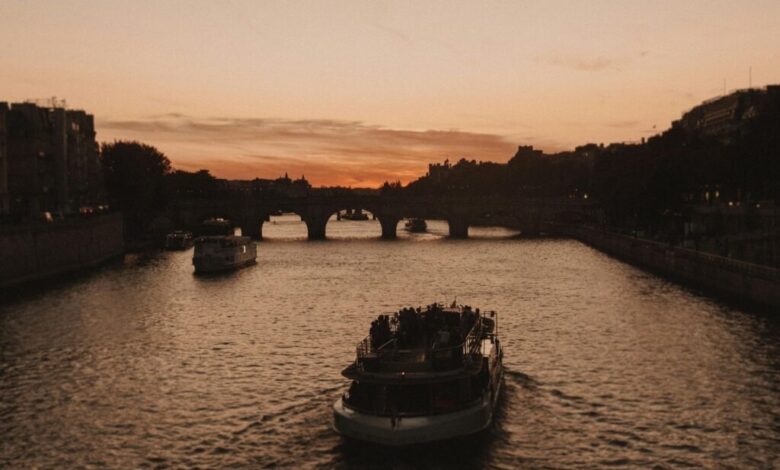
Paris overwhelms on foot. From the Seine, it relaxes. Landmarks align naturally, and the city’s logic becomes visible.
You don’t chase highlights. They arrive.
Southern France and Everyday Excellence
Along the Rhône, towns operate at human scale. Markets open on schedule. Lunch lasts as long as it needs to. There’s no performance for visitors.
This ordinariness becomes the luxury.
Life Onboard: Designed for Awareness, Not Escape
River cruises don’t exist to distract you from Europe. They exist to support your engagement with it. The environment onboard reflects that philosophy.
Before detailing specifics, understand this: space is limited by design. That limitation encourages quality over quantity.
Observation Over Entertainment
Lounges prioritize windows. Decks invite lingering. There’s no pressure to be entertained every hour.
Silence, when it appears, feels intentional.
Conversations That Stay Grounded
With fewer passengers, discussions remain personal. People share impressions instead of itineraries. The mood leans thoughtful rather than performative.
Travel becomes reflective, not competitive.
A Smarter Kind of Access
Smart travel isn’t about exclusivity. It’s about alignment. Rivers align movement with geography, schedules with cities, and experience with attention.
By traveling this way, you don’t opt out of Europe’s highlights. You access them under better conditions.
Why This Approach Lasts
Crowd-free travel isn’t a trend. It’s a correction. As cities strain under visitor numbers, smarter methods gain relevance. River cruising respects limits—both personal and civic.
It allows Europe to remain itself while allowing travelers to remain present.
Experiencing Europe beyond the crowds doesn’t require secrecy or sacrifice. It requires choosing routes that understand the land they cross. Rivers have been doing that work for centuries. Following them isn’t nostalgia. It’s strategy.
ChatGPT can make mistakes. Check important info. See Cookie Preferences.