Financial Security in a Digital UK: How to Protect Your Important Data Online
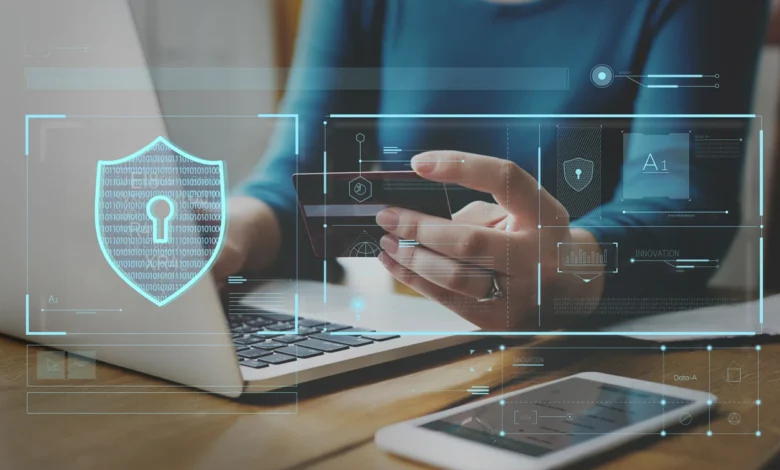
In today’s digital economy, financial security is no longer limited to locked filing cabinets and physical bank branches. Across the UK, individuals and businesses manage money, identities, and operations online every day. From mobile banking and digital payments to cloud-based accounting and remote work systems, sensitive information now travels constantly across the internet.
Cybercrime continues to rise in the UK, with financial and identity-related data among the most targeted assets. According to recent reports, UK businesses lose billions annually to cyber attacks, while individuals face increasingly sophisticated phishing and fraud schemes. This makes protecting important data not just a technical issue, but a personal, professional, and legal responsibility.
The UK’s Digital Privacy Landscape
The UK operates under UK GDPR and the Data Protection Act 2018, which require organisations to protect personal data using appropriate security measures. These laws apply directly to financial records, identity information, and client data. Businesses that fail to safeguard this information face the risk of investigations, fines, and lasting reputational damage.
In practical terms, organisations must prevent unauthorised access, protect data while it is being transmitted, and ensure systems are resilient against cyber threats. Digital security is no longer optional in the UK. It is a regulatory expectation.
Why Financial and Personal Data Are Prime Targets
Financial data gives criminals direct access to money, while personal data provides the details needed to impersonate individuals. When combined, these datasets enable fraud, identity theft, and account takeovers.
The Real Cost of Data Breaches:
A single compromised bank account can lead to unauthorised transactions before the victim even realises what’s happened. Personal data breaches expose individuals to:
- Credit card fraud and account takeovers
- Loan applications made in victims’ names
- Tax fraud and false tax return submissions
- Ongoing identity theft for years after the initial breach
Once exposed, the damage can extend well beyond the initial incident. Victims often deal with long-term financial disruption, credit issues, and loss of trust. For businesses, a single breach can undermine years of reputation building. Prevention is therefore far more effective than recovery.
How Secure Online Connections Reduce Risk
Every time you connect to the internet, your data passes through multiple networks you do not control. On unsecured or poorly protected connections, this traffic can be intercepted by attackers who are actively looking for valuable information.
Encrypted connections ensure that your information is unreadable to outsiders, even if they intercept the data. Login credentials, financial transactions, and private communications remain protected even on shared networks. This significantly reduces the risk of data interception and digital surveillance.
When data is encrypted using modern standards (such as TLS 1.3), it becomes computationally impractical for attackers to decode, even with significant resources. This is why encrypted connections have become the standard for any service handling sensitive information.
Everyday Risks in a Connected UK
A freelancer checking business finances at a coffee shop on an unsecured network. An accountant reviewing client tax records on public Wi-Fi. A small business owner processing payroll from a train. Each of these situations exposes financial data to potential interception.
Using unsecured connections for banking, payroll, or client communication exposes sensitive data to unnecessary risk. Using unsecured connections for banking, payroll, or client communication exposes sensitive data to unnecessary risk. Secure access protects users from session hijacking, credential theft, and traffic monitoring, especially when handling financial information.
For anyone handling financial information, the stakes are particularly high. A few minutes on an unsecured network can expose months of financial records or client data.
Remote Work and Business Data Protection
Remote and hybrid working have become standard across the UK. Employees now access financial systems, cloud platforms, and internal tools from home networks and mobile devices. While this flexibility is valuable, it also creates new security challenges.
Home networks are often less secure than office networks. Many people use the same Wi-Fi for personal browsing and business work, increasing the risk of cross-contamination if one device is compromised. .
Without strong digital protection, these access points become easy targets for attackers. A compromised employee device could give attackers access to company financial systems, client records, or payroll data.
For remote workers handling sensitive financial data, using a VPN in the UK adds an additional layer of encryption and protection, meaning that even if someone gains access to your home Wi-Fi or intercepts your connection, they cannot view your financial transactions, login credentials, or client information.
.Legal Responsibility and Accountability
UK GDPR requires organisations to ensure the confidentiality, integrity, and availability of personal data. This includes financial and identity information. If data is exposed due to poor security practices, businesses may face enforcement action, financial penalties, and mandatory breach notifications.
In this environment, digital security is no longer just an IT concern. It is a core part of corporate responsibility and risk management.
A Practical Layer of Digital Defence
No single solution can guarantee total protection. However, strong security is built by layering multiple safeguards together.
When encrypted connections are used alongside:
- Strong, unique passwords
- Multi-factor authentication
- Secure and regularly updated devices
This approach is effective for both individuals and organisations.
Building Strong Digital Habits
Financial security is not achieved through technology alone. It also depends on behaviour.
1. Avoiding public Wi-Fi for financial tasks
Never access banking, payroll systems, or sensitive client information on unencrypted public networks. If remote access is necessary, use additional security layers.
2. Keeping software and systems updated
Security updates patch known vulnerabilities that attackers actively exploit. Delaying updates increases risk significantly.
3. Being cautious with email links and attachments
Phishing emails are the most common entry point for attackers. Verify sender addresses, avoid clicking unfamiliar links, and be suspicious of unexpected attachments.
4. Using strong authentication
Enable multi-factor authentication (MFA) on all financial and sensitive accounts. This adds a crucial second verification step.
5. Monitoring financial accounts regularly
Check bank and credit accounts frequently for unauthorised activity. Early detection allows for faster response.
Professional Services and Client Trust
Many professional sectors handle highly sensitive financial data every day. Accounting firms in the UK, along with tax advisers, payroll providers, bookkeepers, financial planners, and mortgage brokers, manage records that clients trust them to protect.
Clients share extremely sensitive information with professional advisers—tax returns, bank statements, personal financial details, business accounts, payroll records. This information is often more detailed and sensitive than what clients would share anywhere else.
Their credibility depends on confidentiality and secure communication. Protecting data while it is being transmitted is essential to maintain trust with existing clients and meeting legal obligations under UK GDPR
Final Thoughts
Financial security in the UK is now inseparable from digital security. Whether managing personal finances or running a business, protecting important data is essential to maintaining stability, trust, and peace of mind.
In a digital UK, security is not just about technology. It is about responsibility—to yourself, to your clients, to your business, and to the people whose data you handle. It is about awareness of the risks and threats that exist. And it is about consistent protection through regular practices, updated systems, and secure choices.