Heat Exchanger Tube Bundle Puller and Aerial Bundle Extractor
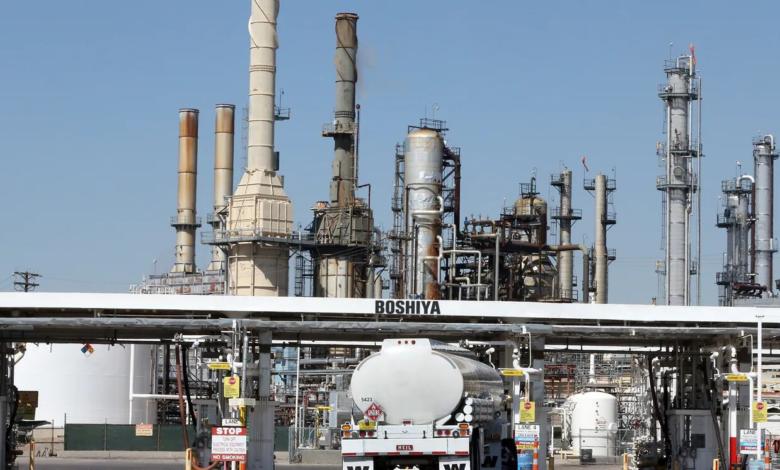
This article examines the technical principles, operational procedures, equipment selection, safety practices, and maintenance strategies associated with heat exchanger tube bundle puller systems and aerial bundle extractor solutions used for heat exchanger bundle extraction and bundle handling. It provides detailed guidance for refinery, petrochemical and industrial maintenance teams that perform tube bundle extraction, bundle removal and exchanger bundle servicing on elevated or confined installations.
If you are looking for more information about Bundle Puller Manufacturer – BOSHIYA go here right away
What is a tube bundle extractor and how does a bundle puller work for tube bundle extraction?
A tube bundle extractor, commonly referred to as a bundle puller or tube bundle puller, is specialized equipment designed to engage, apply controlled pulling force to, and extract the heat exchanger tube bundle from the heat exchanger shell. The tube bundle is the internal assembly of tubes, tube sheet attachments, spacers and baffles that transfer heat between process streams in a heat exchanger. The operation of a bundle puller for tube bundle extraction relies on anchoring to the tube sheet, securing the bundle with appropriate clamps or coupling devices, and using hydraulic or mechanical drive systems to overcome static friction, corrosion and mechanical interference between the exchanger bundle and shell. A properly selected bundle extractor will control axial loads, minimize rotation and provide smooth, steady pulling force to avoid damaging the heat exchanger tube, tube sheet, or lifting rigging during bundle removal.
How does a tube bundle extractor attach to the tube bundle?
Attachment of the tube bundle extractor to the tube bundle requires a secure connection that distributes load evenly across the tube sheet and structural elements of the bundle; this is achieved using custom gripping heads, collars or through-bolt adapters that align with the tube sheet opening or existing lifting points on the exchanger bundle. For many tube bundle extraction tasks, the extractor will use adjustable jaws or a central mandrel that engages within the tube bundle bore, or a flange interface that mates with the heat exchanger tube sheet. For bundles designed with lifting lugs, the tube bundle puller can connect directly to those lugs and apply the pulling force axially. In some cases, especially for large heat exchanger bundles, temporary spreader beams or support frames are rigged to distribute the weight of the extracted bundle during bundle handling and subsequent loading onto transport, whether the tube bundle puller is mounted on a truck or is an aerial bundle extractor located on elevated platforms.
What hydraulic or mechanical pulling force is required?
The hydraulic or mechanical pulling force required for tube bundle extraction depends on several factors including bundle weight, bundle length, degree of corrosion or scaling, presence of tube-to-shell adhesion, and the condition of the tube sheet. Hydraulic systems are rated by maximum pulling force and stroke; typical industrial self-propelled bundle pullers or truck mounted bundle units provide forces from several tens to hundreds of kilonewtons to accommodate the weight of the bundle and the frictional resistance. Accurate estimation begins by calculating the weight of the bundle and adding an allowance for binding forces; conservative planning uses pull ratings that exceed the combined static and dynamic loads to ensure controlled extraction. The pulling force must be applied steadily with monitoring of pressure and load sensors to avoid shock loads that could damage the heat exchanger shell or dislodge weakened tube sheets.
What steps are involved in a typical tube bundle extraction operation?
A typical tube bundle extraction operation follows a disciplined sequence: initial pre-extraction inspection and documentation of exchanger bundle condition; isolation and lockout of process connections; removal of tube sheets and end caps as required; attachment of the tube bundle extractor or tube bundle puller to the tube sheet or designated lifting points; rigging of spreader bars and sling systems for bundle handling; incremental application of hydraulic pulling force while monitoring alignment, bundle rotation and load; full extraction of the heat exchanger bundle from the shell and stabilization of the extracted bundle onto support cradles or a truck mounted platform for transport; and post-extraction cleaning, inspection and maintenance including bundle cleaning equipment use. Throughout the operation, remote control or direct operator control of the tube bundle extractor is used to provide precise control of motion, and team coordination ensures safe handling from the point of extraction to staging the extracted bundle for maintenance or disposal.
When should you choose an aerial bundle extractor versus a truck mounted bundle puller?
The decision to employ an aerial bundle extractor instead of a truck mounted bundle puller is driven by site access, elevation of the heat exchanger, available rigging points, and the need for mobility. An aerial bundle extractor is often deployed when exchanger bundles are located several meters above ground level on platforms, rafters or within units that restrict truck access. Conversely, truck mounted bundle solutions are preferred for ground-level exchangers, rapid redeployment between units, and situations where a diesel engine or electric bundle puller can be mounted on a truck with integrated hydraulic systems and remote control to improve on-site mobility. Consideration of the heat exchanger design, surrounding equipment, and the logistics of moving the extracted bundle to maintenance areas will determine whether the aerial bundle or the truck mounted approach is the most efficient choice for bundle extraction and bundle handling.
What are the advantages of an aerial bundle extractor for elevated heat exchangers?
An aerial bundle extractor provides the advantage of positioning the pulling equipment close to the elevated heat exchanger, minimizing the need to lift the bundle long vertical distances, and reducing the complexity of temporary cranes or scaffolding. Aerial bundle extractors can be rigged to permanent structural points near the exchanger bundle and are particularly useful when the weight of the bundle or the bundle length makes ground-based movement impractical. For refinery environments and complex process units, aerial bundle solutions reduce interference with ground traffic and allow maintenance teams to access exchanger bundles on elevated platforms while maintaining safe exclusion zones below.
How does truck mounted bundle handling improve on-site mobility?
Truck mounted bundle handling provides high on-site mobility because the tube bundle puller, associated hydraulic power pack and auxiliary equipment are mounted on a truck, enabling rapid repositioning across a large industrial site or between refinery units. Truck mounted systems often include integrated cranes or platforms to assist with bundle removal, containment and loading of the extracted bundle for transport to cleaning or refurbishment facilities. The diesel engine driven hydraulic pump on a truck mounted bundle puller allows operation in remote areas without facility utilities, while the self-propelled bundle pullers and remote control capability enable precise maneuvering and efficient heat exchanger maintenance cycles with minimal setup time.
What site constraints determine the best bundle extraction method?
Site constraints that determine the preferred bundle extraction method include limited ground access, overhead obstructions, available lifting points, weight-bearing capacity of structures, proximity to live process equipment, and environmental restrictions. When the heat exchanger shell is located behind other equipment or within confined spaces, an aerial bundle extractor with extended reach or scaffolding-based rigging may be required. For sites with paved access and ample maneuvering space, a truck mounted tube bundle puller or self-propelled bundle pullers are typically the most practical. The decision matrix must also account for the weight of the bundle, the bundle length and the need to transport the extracted bundle across potentially uneven surfaces, which may favor truck mounted or mounted on a truck configurations to reduce double handling.
How do bundle length and tube bundle dimensions affect bundle pulling and extraction planning?
Bundle length and other tube bundle dimensions are critical inputs for planning bundle pulling operations, as they influence the selection of pulling equipment, rigging arrangements, lifting capacity, and the available clearance for maneuvering the extracted bundle. Long exchanger bundles require extended reach for lifting and may need intermediate supports or spreader beams to prevent bending stresses during extraction and transport. The tube bundle diameter, overall length, protruding nozzle attachments, and the weight of the bundle must be measured and considered in the selection of the tube bundle extractor, the specification of the pulling force capacity, and the design of cradle supports used once the bundle is extracted.
How to measure bundle length and other critical tube bundle dimensions?
Measuring bundle length and tube bundle dimensions begins with reviewing the heat exchanger drawings and nameplate data for nominal dimensions, followed by physical verification using calibrated measuring tapes, laser distance meters and, where safe, borescopes for internal checks. Bundle length is measured from the tube sheet face to the far end of the bundle assembly, and critical dimensions such as bundle diameter, insertion depth, location of lifting lugs, and nozzle clearances are recorded. These measurements inform the calculation of the weight of the bundle and the planning of rigging, in addition to allowing the tube bundle extractor and associated spreader beams to be sized appropriately to distribute the stresses during bundle pulling and lifting operations.
What limits do length and weight impose on pulling force and equipment selection?
Longer and heavier bundles impose greater demands on pulling force and equipment; besides the static weight of the bundle, longer bundles can increase frictional contact area with the shell and cause higher bending moments that require additional supports. The weight of the bundle determines the minimum load rating of the extractor, the capacity of slings and shackles, and the crane or truck mounted lifting gear required for final staging. Equipment selection must therefore consider both the peak pulling force to free the bundle and the sustained lifting capacity for safe handling, including dynamic factors such as shock loads and potential unbalanced lifting conditions for oversized or unevenly corroded exchanger bundles.
How to plan rigging and lifting for long or oversized tube bundles?
Planning rigging and lifting for long or oversized tube bundles involves specifying spreader beams, multiple slings, load-balancing hardware and temporary cribbing to support the extracted bundle during handling. Engineering calculations should verify that rigging components exceed the weight of the bundle plus allowances for binding and dynamic loads, and that center-of-gravity is identified so slings are adjusted for balanced lifting. For very long bundles, intermediate support during extraction may be achieved with temporary skates or dollies mounted on platforms, and coordination with crane operators is necessary when transferring the extracted bundle to a truck mounted platform or maintenance area for cleaning and inspection.
What are common safety risks and best practices during tube bundle extraction and bundle handling?
Common safety risks during tube bundle extraction include falling loads, unexpected release of stored energy from pressurized systems, exposure to hazardous process residues, structural failure of lifting points, and pinch or crush hazards during bundle removal. Best practices emphasize hazard identification, comprehensive pre-job planning, use of rated rigging, load monitoring, adherence to lockout/tagout and confined space protocols, and maintenance of exclusion zones. Employing a competent rigging and lifting team, using properly maintained hydraulic or diesel powered bundle pullers, and executing staged removal with continuous communication reduces the likelihood of accidents during bundle handling and bundle removal operations.
How to mitigate hazards during bundle pulling and lifting?
Hazard mitigation begins with thorough pre-extraction inspections, verification that the heat exchanger shell and associated supports are structurally sound, ensuring the bundle is adequately isolated from process fluids, and confirming that all personnel are clear of potential drop zones. Use of load cells, pressure gauges and remote control to precisely monitor and control the pulling force of the bundle puller prevents overload scenarios. Implementing taglines, edge protection and anti-rotation devices reduces uncontrolled movement of the exchanger bundle, while stepwise incremental pulling combined with intermittent inspections can reveal early signs of binding, allowing corrective measures to be applied before loads escalate to hazardous levels.
What PPE and lockout/tagout procedures are required for bundle extraction?
Personnel involved in tube bundle extraction must wear appropriate personal protective equipment including helmets, safety glasses, chemical-resistant gloves, steel-toed boots, and fall protection when working at height during aerial bundle operations. Lockout/tagout procedures are mandatory to isolate energy sources, including process lines, electrical systems for electric bundle equipment, and any hydraulic or pneumatic supplies to the bundle puller. For exchangers containing hazardous residues, decontamination and atmospheric testing are required before personnel enter confined spaces or perform internal inspections, and documented permits must be in place to ensure all isolation and verification steps conform to site safety management systems.
How to secure the work area for aerial bundle operations?
Securing the work area for aerial bundle operations involves establishing exclusion perimeters on the ground, posting signage, implementing a watchperson or signaler to control access, and ensuring overhead clearances are maintained for hoisting paths. Temporary barriers and scaffolding should be inspected and rated for the loads they may experience, and communication between the aerial bundle extractor operator, crane personnel and ground crew must be maintained via radios or established hand signals. Additionally, contingency plans for emergency descent, dropped objects and potential environmental releases should be prepared before initiation of any aerial bundle extraction.
How do diesel powered and hydraulic systems compare for bundle puller performance?
Diesel powered and hydraulic systems are common drive options for tube bundle pullers and each offers distinct advantages depending on site conditions and operational requirements. Diesel engines power hydraulic pumps and provide independence from site electrical supply, making diesel engine driven bundle pullers advantageous in remote or field environments. Hydraulic systems provide high force density, smooth and controllable motion, and are often integrated into electric or diesel configurations to drive the hydraulic cylinders that deliver the requisite pulling force for tube bundle extraction. Choosing between diesel powered and electric hydraulic systems requires consideration of power availability, noise and emissions restrictions, and the need for precise control during bundle pulling.
What are the benefits of diesel powered bundle pullers in remote or field equipment use?
Diesel powered bundle pullers are beneficial in remote or field use because they do not rely on facility electrical power, can be mounted on a truck for mobility, and supply consistent hydraulic pressure through an onboard hydraulic pump. The diesel engine provides flexibility to operate multiple hydraulic functions including pulling, winching and auxiliary equipment, making it ideal for projects where access to electricity is limited. In refinery shutdowns or emergency heat exchanger maintenance scenarios, diesel driven tube bundle puller units enable rapid deployment and continuous operation despite site power interruptions.
When is a hydraulic system preferred for precise tube bundle extraction?
Hydraulic systems are preferred for precise tube bundle extraction when controlled, incremental application of pulling force is essential to prevent sudden release or damage to the tube sheet and heat exchanger shell. Hydraulics deliver smooth, variable force through cylinders and pumps with accurate control via pressure relief valves and remote control interfaces, enabling technicians to respond to signs of binding or rotation immediately. For sensitive exchanger bundles, corrosion-prone tubes, or when tube cleaning equipment must be used in tandem with extraction, hydraulic systems provide the fine control necessary to preserve the integrity of the heat exchanger tube and associated components.
How to maintain and troubleshoot diesel and hydraulic drive systems?
Maintenance of diesel and hydraulic drive systems includes scheduled servicing of diesel engines, replacement of filters, fuel system checks, inspection of hydraulic hoses and fittings, and monitoring hydraulic fluid cleanliness and viscosity. Troubleshooting common issues involves checking for leaks, verifying pump pressure, inspecting control valves and remote control links, and diagnosing abnormal noises or loss of force which may indicate cavitation, air ingress or internal component wear. Comprehensive maintenance records and staged spare parts for pumps, seals and pressure transducers help reduce downtime for heat exchanger maintenance activities and ensure reliable performance of the tube bundle puller during critical bundle extraction operations.
How to minimize downtime and improve bundle maintenance during extraction?
Minimizing downtime during tube bundle extraction requires diligent pre-extraction inspections, selection of appropriate equipment such as modular, self-propelled bundle pullers or truck mounted bundle systems, and staging of spare parts and cleaning equipment to expedite post-extraction servicing. Planning and coordination with refinery operations teams to schedule maintenance windows, combined with rapid mobilization of remote control and diesel engine powered bundle pullers, can significantly shorten heat exchanger maintenance cycles and enable timely bundle cleaning, tube replacement and inspection activities.
What pre-extraction inspections reduce unexpected downtime?
Pre-extraction inspections that reduce unexpected downtime include verifying heat exchanger drawings and bundle length dimensions, inspecting the tube sheet for evidence of corrosion or cracking, confirming lifting points and rigging capacity, checking for residual process fluids in the shell, and validating the condition of access platforms and transport routes for the extracted bundle. Performing non-destructive evaluation where needed and ensuring that bundle cleaning equipment and spare tubes are available prior to extraction reduces the risk of encountering unexpected repairs that would extend the maintenance outage.
How can modular or truck mounted solutions speed up bundle maintenance cycles?
Modular and truck mounted solutions speed up bundle maintenance cycles by providing integrated hydraulic power, remote control capability and transport platforms that reduce setup time, eliminate the need for temporary cranes in many cases, and allow rapid redeployment between units. Self-propelled bundle pullers that can be mounted on a truck or moved under their own power bring bundle extraction capability directly to the exchanger, while modular rigging systems and preconfigured spreader beams expedite attachment and removal, thereby shortening the period equipment and personnel occupy critical workspaces in the refinery.
What spare parts and tools should be staged to limit project delays?
To limit project delays, stage spare hydraulic hoses, seals, pressure transducers, coupling adapters, shackles, slings, and replacement clutch or drive components for diesel engines. Keep common items such as load cells, remote control transmitters, lifting lugs, spreader beams and basic hand tools on site, along with cleaning consumables and spare tubing for heat exchanger repairs. Ensuring immediate access to bundle cleaning equipment and inspection instruments such as borescopes, ultrasonic gauges and thickness measurement tools prevents interruption to the maintenance sequence following bundle removal.
What are typical problems encountered with tube bundle extraction and how are they resolved?
Typical issues during tube bundle extraction can involve seized, or corroded tube bundles, rotational binding inside the shell and even damage to the tube sheet, plus the occasional surprise of unexpected weight, or center of gravity changes during lifting. These matters are handled through a mix of higher pulling force within rated limits, careful torque control devices, thermal or chemical assistance to break adhesion, controlled vibration, and specialist methods like parallel jacking, or staged pulling so you can release the exchanger bundle step by step. Strong rigging practices, good choice of the tube bundle extractor and strict adherence to safe working loads are critical, if you want to solve the problems without making the heat exchanger worse, or creating a safety incident.
How to deal with seized or corroded tube bundles during pulling?
When the tube bundle is seized, corroded, or it starts to bind within the shell, you first need to look at how far the adhesion and corrosion have gone, then decide on a penetrating agent, or a chemical descalant, to dissolve the deposits. After that, you use incremental hydraulic pulling or a similar controlled draw, so the tubes do not end up with brittle fracture or stress overloads, including at the tube sheet attachments.
If those measures are not enough, mechanical break out is sometimes needed. People commonly use rotational jacking, tapping with controlled impact tools, or local heating, but only under controlled conditions, so the bond between the bundle and shell releases without making things worse. Throughout, continuous inspection matters, because you need to keep the tube bundle and the tube sheet stresses within safe limits.
For the specific issue, what techniques help when the tube bundle rotates or binds in the shell?
– Use targeted penetration and descaling before any force is applied, so the rotating parts do not keep catching on deposits.
– Apply incremental hydraulic pulling rather than a single strong pull, while monitoring movement and contact points.
– Employ rotational jacking in a controlled sequence, so the bundle can turn a little, then settle, without inducing twisting stresses.
– Use controlled tapping to loosen local bonding, and avoid aggressive impacts that can transfer stress into tube-to-tube sheet regions.
– Apply local heating only where it is needed, to reduce the shrink or adhesion effect, then recheck alignment.
– Keep continuous inspection during every step, watching for abnormal binding, and stop if safe stress limits look close.
If the tube bundle rotates, or actually starts to bind during extraction, then anti rotation devices and keying mechanisms, plus stabilizing spreader beams can be used, to keep the alignment stable. You can apply counter rotation with synchronized jacks too, or use guide shoes that run along the shell longitudinal axis. This helps prevent additional harm to tubes, and it can reduce the need for excessive pulling force. Also, doing incremental extraction, with periodic realignment and inspection, lets you catch binding locations early, then you can do localized actions like spot cleaning or cutting away obstructive deposits.
When is thermal assistance or chemical assistance appropriate to free a bundle that is stuck?
Thermal or chemical assistance may be fitting when mechanical methods alone do not manage to beat the adhesion, that is caused by corrosion, scaling, or incrustation, and when those treatments will not harm tube metallurgy or push contaminants into process needs. For example, chemical descalants can dissolve mineral deposits, and also lower the frictional resistance, while carefully controlled heating can make metals expand at different rates to loosen the connection between the bundle and shell. Every thermal plus chemical treatment has to be checked first for material compatibility, environmental obligations, and the effects on downstream operations, and it should be carried out under engineering supervision, along with containment, and neutralization protocols that are appropriate.
How to select the right bundle puller or tube bundle extractor for your heat exchanger?
When you choose the right bundle puller or tube bundle extractor you end up comparing things that sound simple but matter a lot like pulling force, overall capacity, reach distance, and also the compatibility with your lifting, rigging, and transport setup. You might also want to think whether the tube bundle puller should be truck mounted, an aerial bundle extractor, a self propelled bundle puller, or a electric bundle or diesel engine driven unit, because the jobsite constraints usually decide that choice. Then check the bundle weight and bundle length, because those two can change everything in practice. Make sure the machine you pick has the safety ratings you require, remote control capability if it will be needed, and ongoing vendor support for maintenance plus spare parts supply.
So what specifications and ratings should you compare, pulling force capacity reach? Compare pulling force (maximum pull), capacity (max bundle weight or load rating), and reach (maximum standoff or effective pulling distance). Also confirm the rigging compatibility, allowable working angles or geometry, safety ratings like overload protection and certified lifting components, plus control and duty cycle ratings if the operation is continuous.
Compare the stated pulling force rating against the calculated maximum extraction load, also add allowances for binding or similar resistance. Then verify the extractor can handle the bundle weight and its length, not just the pulling force alone. After that check reach and stroke, making sure the extractor can actually engage the heat exchanger tube sheet, and then clear the tube sheet without crossing the travel limits.
Also assess hydraulic pressure limits, cylinder stroke length, and how well the unit can be mounted to the exchanger geometry, plus whether remote control options or operator interfaces are practical for keeping accurate control during extraction. Don’t forget to confirm safety margins and certification requirements for any lifting and pulling operations.
For compatibility with existing rigging and truck mounted equipment, evaluate it like this: list your current rigging interfaces and connection types, then compare them to the extractor mounting hardware and allowable load paths. Check envelope fit: overall dimensions, required clearances, and alignment tolerances with your truck crane or winch, and confirm the required lifting height and pull angle are achievable. Verify that your existing hydraulic supply, hoses, couplers, and pressure ratings match the extractor requirements, including flow rate and pressure relief settings. Confirm the available lifting capacity of the truck gear in the real configuration, then ensure the rigging components (slings, shackles, spreaders, pins) have adequate rated capacity and traceable certification. Finally, confirm control integration, meaning how signals and controls will be routed, and whether the existing operator setup can provide precise actuation without exceeding the extractor’s operating limits.
Evaluate compatibility by confirming the extractor mounting interfaces match the lifting lugs that are actually available, or that they can be adapted by using spreader beams, slings and shackles rated for the extracted bundle weight, and that a truck mounted approach can provide steady support for the extracted bundle weight while it is being moved. Also inspect whether the truck mounted bundle puller integrates with the site communication systems, and whether cranes or forklift units available on site can connect with the exchanger bundle during the transfer. These compatibility checks help prevent last minute modifications which can cause delays to heat exchanger maintenance operations.
What service and support options should be checked before purchase or a rental agreement?
Before you purchase or rent anything, check that the vendor service contracts include commissioning, operator training, spare parts availability, emergency breakdown assistance and field maintenance for diesel engines and hydraulic systems. Confirm the warranty terms, the access to technical documentation, and whether the supplier can provide on-site technician support during the first operating period so that the tube bundle extractor or bundle puller works reliably while heat exchanger maintenance work is happening. Making sure these support elements are actually in place helps keep lifecycle costs down, and also speeds up upcoming bundle extraction and bundle handling tasks across refinery and industrial operations.