How a Construction Mentor Can Improve Your Team’s Performance on the Job Site
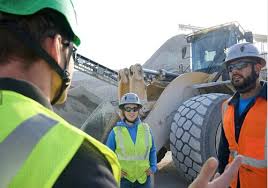
Walk onto any thriving construction site, and you’ll notice something beyond the equipment and materials. There’s a natural flow to how people work together, an understanding of who to ask when problems pop up. This chemistry often comes from effective mentorship rather than fancy management systems.
The construction industry struggles with workforce gaps and keeping good employees. Yet many companies miss their most valuable resource: the experienced workers already on their teams. When a construction mentor guides newer workers, the whole crew benefits through better performance and a stronger workplace culture.
What Makes Mentorship Different from Regular Supervision
Supervision and mentorship serve different purposes. Supervisors manage tasks and keep projects on track. A construction mentor invests in people, not just processes.
The difference shows when challenges arise. Workers who can ask for genuine guidance without getting criticized will speak up before mistakes happen. This saves time and money while building trust that keeps teams solid during tough projects.
Teaching Skills That Actually Stick
When experienced workers share techniques that prevent common errors, that knowledge spreads through the whole crew. The mentored worker gains confidence, needs less supervision, and eventually teaches others. This natural knowledge transfer makes the entire operation stronger.
Having someone at work who genuinely cares about your growth changes everything. In construction, where physical risks are part of daily life, the connection between a construction mentor and team member can prevent serious accidents.
Smart Ways to Build Construction Mentoring Programs
Companies that formalize their approach to mentorship see real improvements. The key is setting up relationships that work for both experienced workers and those learning the ropes.
Getting the Match Right
Not every skilled worker makes a good teacher. Some people excel at their craft but struggle to explain methods or lack patience. Strong construction mentoring programs identify professionals who know their work and genuinely want to develop others.
Pairing matters just as much as picking mentors. Consider these factors:
- Communication styles and personality fit
- Career interests and development goals
- Schedule compatibility for regular interaction
- Shared project assignments when possible
When matches work well, both people benefit. Mentees gain guidance while mentors sharpen leadership abilities that serve them throughout their careers.
Setting Up for Success
Vague mentoring arrangements usually fade after the initial excitement wears off. Clear objectives keep relationships productive. What skills should the mentee develop? What can the construction mentor realistically provide? How will both know it’s working?
Regular check-ins maintain focus while allowing flexibility as priorities shift. Even simple notes about practiced skills or solved challenges create a record that shows the value of invested time.
Supporting Your Mentors Properly
Organizations often assume experienced workers automatically know how to teach. That’s a mistake. Even seasoned construction mentors improve with training on giving feedback and recognizing different learning styles.
Recognition from leadership shows that mentoring matters, not just as extra work but as a valuable contribution. These supports keep mentoring relationships going strong.
The Ripple Effects Nobody Expects
Keeping Your Best Workers Around
Construction companies constantly fight turnover, especially among newer workers who feel overwhelmed. When employees have construction mentors invested in their success, they stick around longer. Someone believes in their potential and shows them career paths within the company.
This connection creates loyalty that survives temporary frustrations. Workers who’ve been mentored often become mentors themselves, building a culture that values growth. The stability helps teams work better together.
Fresh Ideas Meet Proven Methods
Good mentorship isn’t one-way. Smart construction mentors stay curious about the fresh perspectives their mentees bring. Younger workers often know different technologies or creative approaches that complement traditional expertise.
This exchange fights the “we’ve always done it this way” mindset. When experienced and developing workers genuinely listen to each other, construction sites become places where good ideas surface from anyone.
Growing Future Leaders
Companies investing in construction mentoring programs accidentally create leadership training. Workers receiving effective guidance improve technical skills while learning how to support others. These capabilities form the foundation of solid supervision and management.
Making Mentorship Work on Your Sites
Start Small, Think Big
Organizations don’t need comprehensive programs to begin seeing benefits. Starting with a few carefully selected pairs allows for testing and improvement. This approach also creates success stories that build support for broader rollout.
Choose natural mentors—workers already known for helping colleagues—and pair them with motivated learners. These initial relationships will likely succeed, creating positive examples that encourage wider participation.
Keep It Simple
Construction runs on results, so mentorship needs demonstrable value. But complicated tracking systems burden participants with paperwork that hurts relationships. Basic metrics usually provide enough evidence:
- Safety incident rates
- Productivity measurements
- Employee retention statistics
- Participant satisfaction feedback
Stories about how construction mentors helped workers overcome challenges often communicate value better than numbers alone.
Protect the Time
The biggest barrier to effective mentorship isn’t unwilling participants—it’s insufficient time. When deadlines loom, mentoring conversations get postponed forever. Serious organizations protect time for these interactions through scheduled meetings or clear recognition that mentoring activities count as legitimate work.
Some companies designate weekly sessions for mentoring discussions away from project pressures. Others embed mentoring into existing work by pairing mentors and mentees on the same tasks, letting teaching happen naturally throughout the day.
Getting Past the Rough Spots
Despite careful pairing, some relationships don’t click. Communication mismatches or conflicting expectations create friction instead of collaboration. Successful construction mentoring programs acknowledge this without treating it as failure.
Having a process for respectfully ending unproductive matches protects everyone. Sometimes timing matters more than compatibility—relationships that don’t work initially might succeed later.
Dealing with Deadline Pressure
Construction mentors often feel torn between teaching and immediate project needs. Taking time to explain processes thoroughly can seem impossible when deadlines press.
Practical fixes include identifying moments when mentoring naturally fits the workflow, like planning sessions or end-of-day reviews. Breaking mentoring into smaller, frequent interactions makes it more sustainable. Leadership must genuinely support mentorship through actions by recognizing that development time improves performance.
Looking Forward
The construction industry keeps evolving with new technologies and methods. Yet the human need for guidance and support stays constant. Construction mentors will increasingly balance traditional knowledge with technological skills, helping mentees handle both worlds.
Organizations that prioritize these relationships position themselves for lasting success in a competitive market. The evidence is clear: mentorship investment pays substantial returns through better safety, efficiency, and performance. For construction companies serious about long-term success, building robust construction mentoring programs isn’t optional—it’s a strategic necessity for developing the skilled, engaged workforce that complex projects demand.