How Cupping Therapy May Support Circulation and Recovery
It can be surprising how much our bodies hold on to—stress, fatigue, and tension can linger even when we think we’re doing everything right. Many people look for ways to release that heaviness and feel more in tune with their bodies.. For some, that search leads them to cupping therapy, an ancient practice that is experiencing a strong resurgence in modern wellness.
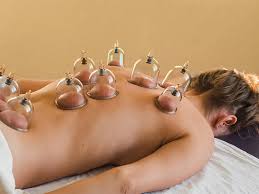
What makes cupping intriguing is how simple yet profound it is. It doesn’t rely on complicated machines or invasive methods; instead, it uses gentle suction to rejuvenate the skin and muscles. The sight may look intimidating at first, with small, rounded cups pulling at the skin, but its effects often leave people feeling refreshed, looser, and more balanced than before.
Cupping therapy is often tailored to suit individual health and wellness needs. Trained therapists use modern hygiene standards while respecting the roots of this age-old method. But how does cupping actually support circulation and recovery? The answer lies in its effect on the body’s natural healing processes.
The Science of Circulation and Flow
Good circulation is the secret rhythm of the body. It fuels movement, alertness, and healing. When blood flows freely, every cell receives oxygen and nutrients, while waste and toxins are carried away efficiently. However, when circulation slows due to stress, inactivity, or muscle tension, the body begins to feel sluggish and fatigued.
How Suction Helps Stimulate Circulation
Cupping therapy works by creating mild suction on the skin’s surface. This suction gently pulls the skin away from underlying muscles, promoting microcirculation in the surrounding tissues. That increase in blood flow is what gives cupping its signature marks, which are actually signs of renewed movement beneath the surface. Think of it as a gentle wake-up call for areas that have been stiff or stagnant.
When circulation improves, oxygen and nutrients reach tired muscles faster, potentially speeding up recovery after physical exertion. It’s no wonder athletes have turned to this therapy to complement their rest and training routines. The warmth that often follows a cupping session isn’t just comforting, it is a sign of revitalized flow.
Releasing Tension and Muscle Knots
Muscle tension can act like a dam in a river, blocking the smooth flow of energy and blood. Cupping helps to ease that build-up by loosening tight fascia, the connective tissue that wraps around muscles. As the cups lift and release, they relieve pressure and allow deeper tissues to relax naturally.
That release often feels different from traditional massage. Instead of pressing down, cupping lifts, allowing the tissue to breathe. The result is a sense of relief that radiates beyond the treated area. For people who spend long hours sitting or working at a desk, this kind of deep tension release can be truly restorative.
The Body’s Response To Gentle Stress
Cupping introduces a controlled form of stress that activates the body’s repair response. The mild suction encourages the nervous system to shift from “fight or flight” to “rest and recover.” As the body heals the micro-injuries created by suction, new capillaries form, and fresh blood rushes to the area. This controlled response can improve overall resilience and promote a sense of calm.
It’s a process that mirrors how light exercise challenges the body to grow stronger. In that sense, cupping is not just about relaxation; it’s about teaching the body to recover more efficiently.
Supporting Recovery and Overall Balance
The benefits of cupping reach beyond circulation. Many find it supports muscle recovery, stress relief, and even emotional balance. Recovery isn’t just about how fast the body bounces back, but how fully it heals and resets.
Encouraging Faster Recovery
After intense activity, muscles often accumulate metabolites like lactic acid, leading to soreness. By improving circulation, cupping helps flush out these by-products and stimulates cellular repair. People who receive regular sessions often describe less stiffness and faster recovery between workouts.
It’s a gentle, non-invasive way to keep the body in shape without adding more strain. Over time, consistent treatment can help prevent small issues, like tightness or inflammation, from turning into bigger discomforts.
Restoring Calm and Balance
Beyond the physical effects, many individuals find cupping deeply grounding. The rhythmic sensation of suction and release encourages stillness and mindfulness. During a session, the mind often starts to slow down as the body lets go of built up tension. The result is a calm that lingers long after the therapy ends.
For people juggling busy schedules and stress, this pause can feel transformative. It’s a reminder that healing doesn’t always mean doing more, it can also mean allowing your body the space to recover naturally.
The Modern Takeaway on an Ancient Practice
Cupping therapy continues to bridge the gap between traditional wisdom and modern wellness. Its growing popularity reflects a broader desire to return to natural, body centered healing. In today’s fast-paced world, this therapy offers something refreshingly simple: a chance to reconnect with physical well-being through mindful, deep repair.
For those curious about alternative ways to support circulation and muscle recovery, consulting licensed practitioners who specialize in this therapy can be a worthwhile step. Whether experienced after an intense workout or as a quiet weekend reset, the benefits can be both physical and mental.
Ultimately, cupping therapy and similar practices represents more than a health trend, it embodies the timeless principle that healing doesn’t need to be complex. Sometimes, feeling renewed is as simple as helping the body move and breathe the way it’s meant to.