How Do You Properly Maintain and Clean Dental Implants?
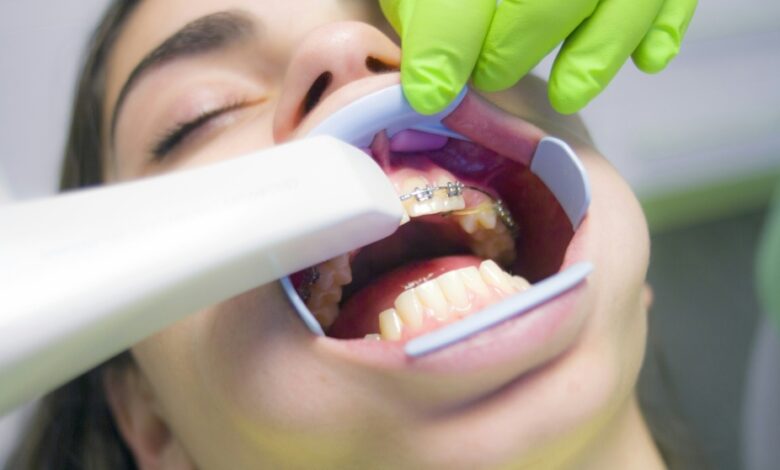
Dental implants are widely considered the gold standard for replacing missing teeth, offering unparalleled stability, function, and aesthetic appeal. They restore the confidence that comes with a complete smile and prevent the bone loss that inevitably follows tooth extraction. Whether you have a single dental implant, an implant-supported bridge, or a full-arch restoration, this technology is designed to last a lifetime.
However, the longevity of your investment depends almost entirely on one factor: meticulous, specialised maintenance and cleaning.
Unlike natural teeth, which are secured by a periodontal ligament, implants are directly fused to the bone (a process called osseointegration). While this fusion creates incredible strength, it also creates a unique vulnerability: the tissue surrounding the implant is slightly different and can be highly susceptible to bacterial accumulation, leading to a condition known as peri-implantitis.
Peri-implantitis is the dental implant equivalent of gum disease, and if left unchecked, it can lead to bone loss around the implant and, ultimately, implant failure. This makes the proper cleaning technique fundamentally different—and far more critical—than simply brushing your natural teeth.
This comprehensive guide breaks down the essential tools, techniques, and professional care from Green Dental required to protect your dental implants and ensure they remain a successful, functional part of your smile for decades.
1. Understanding the Risk: Why Implants Need Special Attention
The relationship between the implant and the surrounding gum tissue is crucial.
The Peri-Mucositis and Peri-Implantitis Cycle
- Peri-Mucositis: This is the initial stage, equivalent to gingivitis. It involves inflammation and bleeding of the gum tissue immediately surrounding the implant due to plaque and bacterial accumulation. It is reversible with improved hygiene.
- Peri-Implantitis: If peri-mucositis is ignored, the inflammation progresses, causing the loss of the supporting bone around the implant. This is not reversible and, if advanced, requires specialist intervention or removal of the implant.
Because the implant lacks the natural ligament that protects a real tooth, bone loss due to peri-implantitis can progress quickly and often without initial pain. Therefore, proactive, targeted cleaning is your first and best line of defence.
2. The Daily Cleaning Routine: Tools and Techniques
The standard toothbrush and toothpaste are a good start, but they are not sufficient for cleaning the three critical areas of a dental implant: the crown, the abutment, and the margin (where the crown meets the gumline).
A. The Toothbrush: Gentle but Thorough
Your primary tool should be a soft-bristled toothbrush.
- Manual vs. Electric: Both can be effective, but if using an electric toothbrush, choose heads designed for sensitive areas and use a gentle, circular motion. Avoid aggressive scrubbing.
- Technique: Focus on the area where the implant crown meets the gum. Use the brush at a 45-degree angle, aiming the bristles at the margin to disrupt the plaque that accumulates in this small, critical space.
B. The Floss: Accessing the Undersurface
Traditional flossing is impossible with a bridge or implant-retained crown because the implant restoration is typically connected to the adjacent teeth or spans a gap. Specialised tools are required to clean the crucial, inaccessible areas beneath the crown or bridge.
- Superfloss/Bridge Threaders: These are thread-like tools with a stiffened end that allows you to guide the thick, spongy floss under the implant crown or bridge. Once the floss is threaded, you gently pull it back and forth to clean the hidden undersurface.
- Interdental Brushes: These tiny cylindrical brushes are excellent for cleaning the spaces between the implant crown and the adjacent natural teeth, or in the wider spaces often found in implant-retained bridges. They come in various sizes, so your dental hygienist should recommend the correct fit.
C. Water Flossers (Oral Irrigators): The Power of Water
For implant maintenance, the water flosser is arguably the single most important adjunct to brushing.
- How it Works: A water flosser uses a pressurised stream of water (and often mouthwash) to flush away bacteria, food particles, and plaque from areas a manual brush or floss cannot easily reach, especially around the margin and abutment.
- Effectiveness: Studies show that water flossers are highly effective at reducing the risk of peri-implant disease because they can disrupt the bacterial colonies deep within the gingival pocket around the implant without the mechanical trauma that can sometimes occur with aggressive manual flossing.
- Usage: Use a low-to-medium pressure setting and aim the tip at the gumline, pausing briefly between each implant or tooth.
3. The Professional Maintenance Schedule: Your Insurance Policy
Home care is indispensable, but it must be paired with regular professional maintenance. Dental hygienists and dentists who specialise in implantology use specific protocols and instruments that cannot be replicated at home.
This dentist in Greenbelt adds that by monitoring the integrity of the implant and the health of the surrounding bone, they can detect and resolve minor issues before they become costly or painful complications.
A. The Customised Hygiene Schedule
For most implant patients, the required frequency for professional hygiene visits is every 3 to 4 months, rather than the standard 6 months for natural teeth. This accelerated schedule is essential because peri-implant disease can progress so rapidly.
B. Specialised Scaling Tools
Traditional metal scaling instruments can scratch the surface of the titanium implant or the abutment, creating microscopic imperfections where plaque can easily adhere.
- Plastic or Graphite Scalers: Specialist dental hygienists use non-metal instruments made of plastic, graphite, or certain synthetic materials. These tools are firm enough to remove calculus (hardened plaque) but gentle enough not to scratch the implant surface, thus protecting the long-term health of the restoration.
- Air Polishing (Prophylaxis Jets): Modern hygiene practices often incorporate air polishing with glycine powder. This gentle micro-abrasive spray is extremely effective at removing soft plaque and biofilm from the complex surfaces of the implant and crown without damaging the titanium or porcelain.
C. Clinical Assessment and X-rays
Every professional implant maintenance visit should include two key assessments:
- Probing: The hygienist gently measures the depth of the gum pocket around the implant. A stable pocket depth is a sign of health. An increase in depth, especially combined with bleeding, is a red flag for peri-mucositis.
- Radiographic Evaluation (X-rays): Taken typically once a year, X-rays provide the only way to check the bone level around the implant. This assessment is the ultimate diagnostic tool for detecting silent peri-implantitis before it becomes severe.
4. Lifestyle Factors that Compromise Implant Longevity
Even the best hygiene routine can be undermined by certain lifestyle choices that significantly increase the risk of implant failure.
A. Smoking
Smoking is the single greatest modifiable risk factor for dental implant failure. It constricts blood vessels, restricting the necessary blood flow to the gums and bone required for healing and resisting infection. Studies show that smokers have a significantly higher risk of developing peri-implantitis and experiencing implant loss. Cessation is the most important step for long-term implant success.
B. Bruxism (Teeth Grinding/Clenching)
Excessive, unrelenting mechanical force can overload the implant and the surrounding bone. This micro-trauma can trigger bone loss, even in the absence of significant infection.
- Management: If you grind your teeth, your implant dentist will almost certainly recommend a custom-made occlusal guard or night splint to protect the implant, the crown, and your natural teeth from damaging forces while you sleep.
C. Dietary and Oral Habits
- Hard Foods: Avoid chewing extremely hard foods like ice, hard candies, or bone directly on the implant crown, which can cause chipping of the porcelain or damage to the underlying components.
- Staining Agents: While coffee, tea, and red wine will not damage the implant itself, they can stain the porcelain crown or the adjacent natural teeth, creating an undesirable colour mismatch over time.
5. Final Checklist: Achieving Lifelong Implant Success
Maintaining dental implants requires commitment, but the reward is a permanent, beautiful, and fully functional smile. By following this protocol, you empower your dental team to ensure your investment lasts as intended.
| Maintenance Area | Action Required | Frequency |
| Brushing | Use a soft brush at a 45-degree angle to clean the crown/gum margin. | Twice Daily |
| Interproximal Cleaning | Use Superfloss, bridge threaders, and/or interdental brushes to clean under bridges and between teeth. | Once Daily |
| Water Flosser | Use on a low setting to flush the gingival margin around the implant. | Once Daily (Highly Recommended) |
| Professional Hygiene | Specialist cleaning with plastic/graphite tools, probing, and assessment. | Every 3-4 Months (Minimum) |
| Radiographic Check | X-rays to check the supporting bone level. | Annually |
| Protection | Wear a custom night guard if diagnosed with bruxism. | Every Night |
The success of a dental implant is a partnership between you and your dental care team. By committing to this specialised, non-negotiable cleaning regime and attending your accelerated professional maintenance appointments, you dramatically reduce the risk of peri-implant disease, ensuring that your dental implants serve you reliably and aesthetically for the rest of your life.