How Indian Micro Welding Innovation Is Disrupting Traditional US Manufacturing Processes
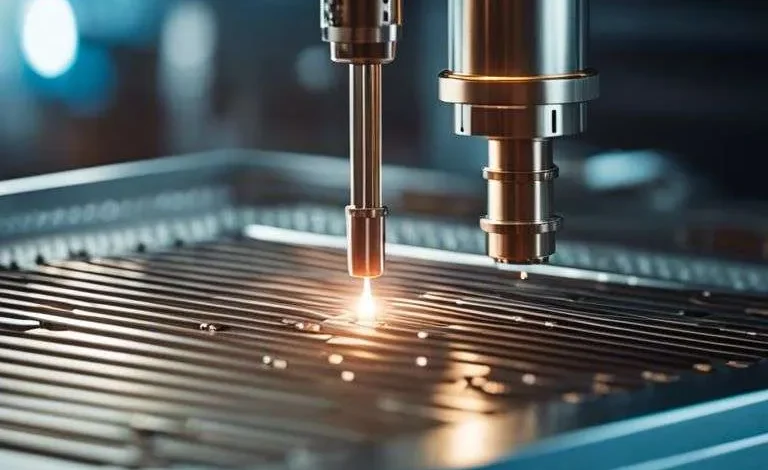
US manufacturing operations are witnessing a significant shift in precision joining techniques as Indian micro welding technology enters established supply chains. This transformation affects production lines across electronics, medical devices, and aerospace components where traditional welding methods often fall short of modern precision requirements. The emergence of specialized micro welding capabilities from India represents more than a geographic shift in sourcing—it reflects fundamental changes in how manufacturers approach microscopic joining processes that determine product reliability and performance.
Manufacturing engineers increasingly face demands for joints measured in micrometers rather than millimeters, where conventional welding equipment cannot deliver consistent results. Traditional arc welding and resistance welding systems create heat-affected zones too large for delicate components, leading to material distortion and compromised structural integrity. This reality has pushed manufacturers to seek alternatives that can handle intricate assemblies without the thermal damage associated with conventional approaches.
The operational implications extend beyond simple process substitution. When manufacturers transition from traditional welding to micro welding systems, they often discover that their existing quality control protocols, operator training programs, and production scheduling must adapt to accommodate new precision requirements. This adjustment period can temporarily impact production efficiency, but the long-term benefits in product quality and reduced rework typically justify the transition costs.
Advanced Laser Systems Transform Microscopic Material Joining
Indian micro welding technology centers on laser-based systems that deliver energy in precisely controlled pulses, enabling manufacturers to join materials at the microscopic level without affecting surrounding areas. These systems operate at power levels and pulse durations that traditional welding equipment cannot match, creating joints smaller than 100 micrometers while maintaining structural integrity. The technology relies on focused laser beams that heat material to melting point within extremely localized zones, allowing operators to weld thin films, fine wires, and delicate components that would be damaged by conventional methods.
The precision capabilities emerge from computer-controlled beam positioning systems that can adjust focal points with submicron accuracy. This level of control means manufacturers can create consistent joints across thousands of identical components without the variation typically seen in manual or semi-automated welding processes. For comprehensive technical specifications and implementation guidelines, manufacturers often reference resources like this Micro Weld India guide to understand system capabilities and application requirements.
Indian manufacturers have developed specialized optics and beam delivery systems that maintain laser quality over extended production runs. These systems incorporate real-time monitoring that adjusts power output and pulse timing based on material feedback, ensuring each weld meets specified parameters regardless of minor variations in component positioning or material properties. This automation reduces the skill requirements for operators while improving consistency across shifts and production batches.
Material Compatibility Expands Manufacturing Options
The laser systems handle material combinations that traditional welding cannot accommodate, including dissimilar metals, ultra-thin foils, and thermally sensitive substrates. This compatibility allows manufacturers to design products using optimal materials for each function rather than selecting materials based on welding limitations. Engineers can specify titanium housings with copper conductors, stainless steel components with aluminum heat sinks, or ceramic substrates with metal leads, knowing that micro welding can create reliable joints between these dissimilar materials.
Heat input control prevents the formation of intermetallic compounds that often compromise joint strength in traditional dissimilar metal welding. The rapid heating and cooling cycles characteristic of laser micro welding minimize the time materials spend at elevated temperatures, reducing opportunities for unwanted chemical reactions. This thermal management is particularly important when joining materials with different expansion coefficients, where slower heating methods can create internal stresses that lead to joint failure.
Quality Assurance Integrates With Production Flow
Modern micro welding systems incorporate in-process monitoring that evaluates joint quality during formation rather than requiring separate inspection steps. Optical sensors measure plasma emissions, acoustic sensors detect irregularities in material fusion, and thermal imaging confirms proper heat distribution across the joint area. This real-time feedback enables immediate process adjustments and reduces the number of defective parts that reach final inspection.
The monitoring data creates detailed records for each weld, supporting traceability requirements in regulated industries like medical devices and aerospace components. These records include power levels, pulse durations, beam positioning data, and quality metrics that can be correlated with long-term joint performance. When field failures occur, manufacturers can review welding parameters for specific serial numbers and identify process variations that may have contributed to the failure.
Production Economics Drive Adoption Across Industries
The economic advantages of Indian micro welding technology become apparent when manufacturers calculate total production costs rather than simply comparing equipment prices. While laser micro welding systems require higher initial investment than traditional welding equipment, they eliminate many secondary operations that add cost and complexity to production workflows. Components that previously required multiple joining steps, intermediate annealing processes, and extensive finishing work can often be completed in single operations that maintain final dimensions and surface quality.
Reduced material waste represents a significant cost factor, particularly when working with precious metals or specialized alloys. Traditional welding methods often require substantial material removal during finishing operations to achieve final tolerances, while micro welding can place joints with sufficient precision to eliminate most post-weld machining. This precision reduces raw material consumption and eliminates the disposal costs associated with machining waste.
Labor requirements shift from skilled welders who can manage complex manual processes to technicians who can operate automated systems and interpret quality data. This transition often reduces direct labor costs while improving consistency, since automated systems do not experience fatigue or skill variations that can affect joint quality over extended production runs. The reduced skill requirements also make it easier for manufacturers to maintain adequate staffing levels and cross-train operators across multiple production lines.
Energy Efficiency Impacts Operating Costs
Laser micro welding systems consume significantly less energy than traditional arc welding or resistance welding equipment because they deliver energy only where needed and only for the time required to create each joint. This efficiency becomes particularly important in high-volume production where energy costs can represent substantial portions of total manufacturing expenses. The precise energy delivery also reduces cooling requirements since less waste heat is generated during the welding process.
The improved energy efficiency aligns with corporate sustainability initiatives that increasingly influence manufacturing decisions. Companies can reduce their carbon footprint while improving product quality, creating advantages in markets where environmental considerations influence purchasing decisions. The reduced energy consumption also provides some insulation against utility cost fluctuations that can impact manufacturing competitiveness.
Maintenance Requirements Simplify Operations
Indian micro welding systems typically require less maintenance than traditional welding equipment because they have fewer consumable components and generate less contamination during operation. Laser systems do not require electrode replacement, gas supply management, or frequent cleaning of spatter and flux residues. This reduced maintenance requirement minimizes production interruptions and lowers the total cost of ownership over the equipment lifecycle.
Preventive maintenance focuses primarily on optical component cleaning and calibration verification rather than major component replacement. The maintenance procedures can often be performed by production technicians rather than requiring specialized service personnel, reducing both maintenance costs and scheduling complexity. This simplified maintenance approach is particularly valuable for manufacturers operating multiple shifts or continuous production schedules.
Integration Challenges Require Strategic Planning
Manufacturing operations considering micro welding technology must address several integration challenges that can affect implementation success. Existing production lines designed around traditional welding processes may require significant modifications to accommodate laser safety requirements, ventilation systems, and precision positioning equipment. These infrastructure changes can extend implementation timelines and increase project costs beyond the equipment purchase price.
Operator training represents another significant consideration since micro welding requires understanding of laser safety protocols, optical system maintenance, and computer-controlled positioning systems. The training requirements differ substantially from traditional welding skills, meaning that experienced welders may need extensive retraining while new operators may adapt more quickly to the automated systems. This training period can temporarily reduce production capacity while operators develop proficiency with new equipment and procedures.
Quality control procedures must evolve to address the different failure modes and inspection requirements associated with micro welding. Traditional welding inspection methods like dye penetrant testing or radiographic examination may not be suitable for microscopic joints, requiring investment in new inspection equipment and operator training. The National Institute of Standards and Technology provides guidance on measurement standards that apply to microscopic joining processes.
Supply Chain Coordination Affects Implementation
The precision capabilities of micro welding systems often reveal quality variations in incoming components that were not apparent with traditional joining methods. Suppliers may need to improve their dimensional tolerances, surface finish specifications, or material consistency to take full advantage of micro welding capabilities. This supply chain coordination can require months of supplier development work and may increase component costs during the transition period.
Component design modifications may be necessary to optimize parts for micro welding processes. Traditional designs often include features like welding tabs, access clearances, or fixture points that are unnecessary or counterproductive with laser joining methods. Design changes require coordination between engineering teams, tooling suppliers, and production planning groups to ensure smooth transitions without disrupting ongoing production commitments.
Future Manufacturing Implications
The adoption of Indian micro welding technology represents part of a broader transformation in manufacturing toward greater precision and automation. As electronic devices become smaller and more complex, traditional joining methods will become increasingly inadequate for production requirements. Manufacturers who establish micro welding capabilities now position themselves to handle future product designs that may be impossible to produce with conventional methods.
The data collection capabilities inherent in modern micro welding systems support the development of intelligent manufacturing processes that can optimize parameters based on historical performance data. Machine learning algorithms can identify patterns in process variables that correlate with long-term joint reliability, enabling continuous improvement in production quality. This data-driven approach to process optimization will likely become standard practice across precision manufacturing industries.
International collaboration in micro welding technology development continues to accelerate innovation in both equipment capabilities and application techniques. Indian manufacturers are establishing partnerships with US companies to develop specialized systems for specific applications, while US manufacturers are adapting Indian technology for local production requirements. This collaborative approach accelerates technology transfer and reduces the time required for manufacturers to implement new capabilities.
Conclusion
Indian micro welding innovation is fundamentally changing how US manufacturers approach precision joining operations across multiple industries. The technology offers significant advantages in material compatibility, energy efficiency, and quality consistency while requiring substantial changes in operator training, quality control procedures, and supply chain coordination. Manufacturers who successfully navigate the implementation challenges gain capabilities that enable new product designs and improved production economics.
The economic benefits extend beyond direct production costs to include reduced material waste, simplified maintenance requirements, and improved product reliability. These advantages become more pronounced as production volumes increase and manufacturers optimize their processes around micro welding capabilities. The technology represents a strategic investment that can provide competitive advantages for manufacturers willing to commit resources to proper implementation and operator development.
As precision requirements continue to increase across manufacturing industries, micro welding technology will likely become essential rather than optional for many applications. Manufacturers who begin implementation now can develop expertise and refine processes while competitive pressures are still manageable, positioning themselves for success as market demands evolve toward greater precision and reliability standards.