How Low-FODMAP Sweeteners Are Helping People With Sensitivities Enjoy Food Again
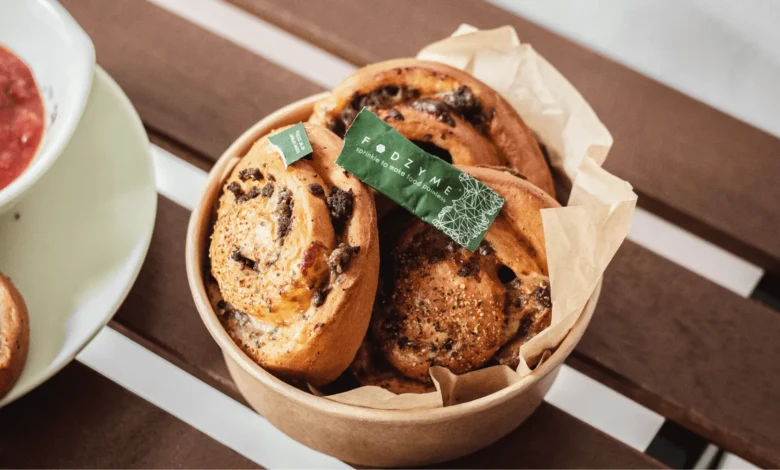
For anyone living with FODMAP sensitivities, enjoying food can feel like a trade-off between comfort and pleasure. Many people find themselves navigating strict ingredient lists, meticulously reading labels, and second-guessing recipes they once loved. Sweet foods carry emotional weight—birthday cakes, hot drinks, holiday treats, and everyday snacks all rely on sweetness to feel complete. When sugar alternatives or syrups trigger bloating or discomfort, it becomes easy to believe that the joy surrounding food has disappeared.
Fortunately, low-FODMAP sweeteners are helping bring that joy back. They offer flexibility, flavor, and a sense of normalcy in cooking and baking. They make it possible to experiment and enjoy food without constantly fearing digestive backlash. And for those wanting to learn more about which options qualify as low-FODMAP sweeteners, simply click here, because the world of sweeteners goes far beyond choosing between regular sugar and stevia.
Low-FODMAP sweeteners don’t only support digestive comfort; they also change the emotional experience of eating. They restore autonomy over food decisions and help remove the guilt associated with restriction. They allow people to enjoy desserts and drinks without feeling like they’re compromising their progress. In many ways, they prove that dietary limitations don’t have to equal deprivation.
The Emotional and Nutritional Role of Sweetness
Before exploring specific sweetener types, it helps to recognize why sweetness matters in the first place. Sweet flavors are psychologically grounding. Humans instinctively connect sweetness with pleasure, reward, energy, and celebration. Desserts and sweet foods appear in every culture and serve as anchors during gatherings and rituals.
From a nutritional standpoint, sugar also fuels the brain quickly and efficiently. It can lift energy, enhance mood, and create a greater sense of meal satisfaction. Removing sweetness entirely from a diet may seem nutritionally harmless, but emotionally, it can feel isolating and unnecessarily restrictive. For people who already feel limited by food rules, losing access to enjoyable flavors can be discouraging.
Low-FODMAP sweeteners help prevent that experience. They make it possible to enjoy sweetness with less digestive stress, and they support an emotional relationship with food that feels more balanced and humane.
What Makes a Sweetener Low-FODMAP?
Low-FODMAP sweeteners generally fall into a few categories, including traditional sugars tolerated in moderation, zero-calorie natural sweeteners, and certain sugar alcohols. Table sugar, for example, is often tolerated well in normal serving sizes because its glucose and fructose are balanced. Maple syrup, another familiar sweetener, can also fit into a low-FODMAP lifestyle when used appropriately. Natural sweeteners like stevia and monk fruit contain no fermentable carbohydrates at all, making them helpful for people who want sweetness without triggering digestive symptoms.
Even some sugar alcohols that would normally be problematic are more manageable in certain forms. Erythritol, for example, tends to be better tolerated because it is mostly absorbed before reaching the colon. These distinctions give people a range of choices rather than forcing them into using just one replacement option.
Why Other Sweeteners Cause Digestive Problems
People with FODMAP sensitivities often struggle with sweeteners that are high in fermentable carbohydrates, particularly those heavy in fructose. Honey, agave nectar, and high-fructose syrups can produce significant digestive distress. When these sugars are not absorbed effectively, they move into the colon where bacteria rapidly ferment them. That fermentation creates gas, pressure, and abdominal discomfort, turning something as simple as a dessert into an unpleasant experience.
The issue, however, isn’t sweetness itself. It’s the way certain sugars break down in the digestive tract. Low-FODMAP sweeteners reduce the fermentable load, making it easier to enjoy sweet flavors without dealing with painful or embarrassing after-effects.
Sweetness and Social Connection
One of the most overlooked challenges of digestive sensitivity is how deeply it affects social eating. Food connects people to each other. Without access to sweetened foods, occasions like birthdays, office celebrations, and holiday events become more complicated. It is emotionally difficult to stand apart or decline dessert repeatedly—not because desserts are nutritionally essential, but because they represent togetherness.
Low-FODMAP sweeteners help keep individuals included in social eating. They make it possible to bake muffins for coworkers, enjoy a slice of cake at a party, or sweeten coffee at brunch without fear. The impact is personal, psychological, and communal, not just dietary.
Low-FODMAP Sweeteners and the Structure of the Diet
Sweeteners also play a structural role within the low-FODMAP process itself. The initial elimination phase may remove many ingredients, including some sugars, to avoid confusion about reactions. But the reintroduction phase is where low-FODMAP sweeteners become especially valuable. They allow people to build realistic eating patterns that feel enjoyable long-term.
Being able to add sweetness back into foods helps the low-FODMAP lifestyle evolve from a rigid diet into something sustainable. It offers reassurance that restriction isn’t permanent and that enjoyable eating is still possible.
Blood Sugar Considerations
It’s worth noting that low-FODMAP does not necessarily mean low-sugar or low-calorie. Someone may tolerate sucrose well, but choosing it in large amounts might not support overall metabolic health. Natural low-calorie options such as stevia or monk fruit help people navigate both digestive and blood sugar considerations simultaneously. Meanwhile, moderate amounts of maple syrup or table sugar can provide familiar flavor without triggering fermentation.
Balancing digestive comfort with metabolic stability becomes easier when sweetener choices are intentional rather than habitual.
A Return to Creativity in the Kitchen
Low-FODMAP sweeteners make cooking fun again. Instead of removing numerous ingredients from favorite recipes and ending up with bland results, people can adjust flavors and textures creatively. Muffins, glazes, dressings, and beverages become accessible again, and even simple experimentation—like sweetening coffee with monk fruit or making maple-glazed carrots—can restore pleasure in meals.
This creativity helps reduce dietary fatigue, which is a major factor in why people abandon restrictive diets. When food becomes interesting again, motivation rises and compliance improves naturally.
Long-Term Outlook: Confidence, Not Fear
Many people following low-FODMAP don’t intend to live in elimination forever. The true goal is personalization—understanding what the body tolerates. Sweeteners help in this transition because they encourage reintroduction without emotional overwhelm.
They show people that enjoying food isn’t unsafe and that digestive comfort doesn’t require abandoning flavor. Sweetness becomes a tool for confidence rather than something to fear.
Final Thoughts
Digestive sensitivity doesn’t have to eliminate pleasure from eating. Low-FODMAP sweeteners offer a pathway toward enjoyment, flexibility, and emotional balance. They allow people to return to recipes they love, participate in social eating, and reclaim food as a source of comfort rather than anxiety.
In the end, these sweeteners do more than make desserts taste good—they help people connect with others, feel confident in the kitchen, and build a sustainable relationship with food. They prove that living with digestive sensitivities doesn’t have to mean sacrificing joy or settling for bland meals.