How to Refresh Old Content for Better Rankings
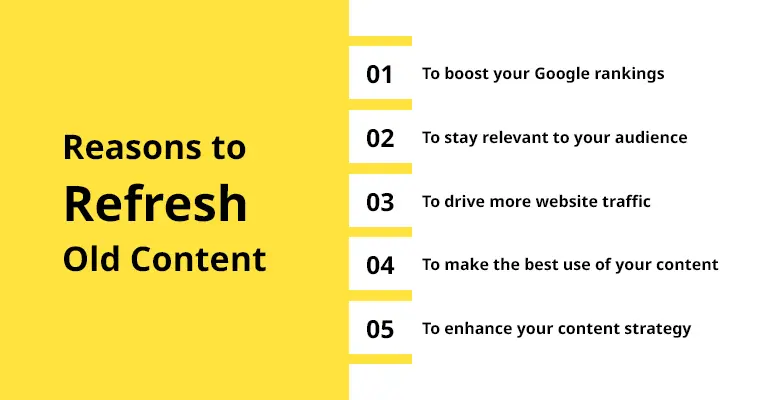
Refreshing old content has become one of the most reliable ways to strengthen your website’s search visibility without constantly creating brand-new articles. As search behaviour evolves and competitors publish new material, older pages can gradually lose momentum. A strategic content refresh allows you to update information, improve relevance, and align with modern Search Engine Optimisation (SEO) practices.
For businesses and digital marketing agencies offering SEO services in Singapore, maintaining long-term organic growth often depends on keeping existing assets up to date. Older content already has authority, backlinks, and established rankings — which means even modest updates can lead to measurable improvements in performance.
Below, we explore why content refreshes matter and how to approach them in a structured, search-focused way.
Why Refreshing Old Content Matters
Search engines aim to provide users with the most relevant and reliable information. When articles become outdated or lose relevance, search engines may prioritise other pages that offer more up-to-date insights. Refreshing content helps address this issue directly.
Several benefits come with updating existing articles:
1. Strengthens Existing Search Equity
Older pages often have backlinks, internal links, and an indexed history. Instead of starting from zero with new content, a refresh allows you to build on what already works. This can accelerate results compared to creating entirely new articles.
2. Helps Maintain Topical Relevance
Industries change, algorithms evolve, and user expectations shift. Updating your content shows search engines that the page remains relevant, which can help stabilise or improve rankings.
3. Improves User Experience
Outdated examples, broken links, and old statistics can affect credibility. Updating content ensures that readers receive accurate and current information, which supports engagement and trust.
4. Supports a Sustainable SEO Strategy
Refreshing content is resource-efficient. Regular updates allow teams to manage SEO in a more sustainable way while supporting long-term visibility.
How to Identify Which Content Needs Refreshing
Not all pages require the same level of attention. Begin with a targeted approach by identifying the pages that stand to benefit most from an update.
1. Review Declining Rankings and Traffic
Use tools such as Google Search Console or analytics platforms to identify pages with a downward trend in impressions, clicks, or rankings. These pages may need updated insights or refined optimisation.
2. Look for High-Potential Pages Not Ranking on Page 1
Content ranking between positions 8–20 often benefits significantly from optimisation. Small improvements may be enough to move these pages closer to the first page of results.
3. Identify Evergreen Topics
Articles focused on evergreen subjects — such as long-standing SEO strategies, industry definitions, or core guides — are ideal candidates for regular refreshes.
4. Check for Outdated References
Pages that contain old statistics, outdated tools, obsolete methods, or broken links should be prioritised, as these issues can affect user trust and search relevance.
Effective Ways to Refresh Old Content
Once you identify the pages worth updating, the next step is implementing targeted improvements. Below are key techniques commonly used by digital marketing agencies and SEO professionals.
1. Update Statistics, Data, and Examples
Search engines value accuracy. Replace outdated information with more recent data, new industry insights, or refreshed examples that reflect current practices.
2. Enhance Keyword Targeting
While older content may rank naturally, revisiting keyword usage helps ensure alignment with modern search behaviour. Consider integrating variations such as:
- SEO
- Search Engine Optimisation
- Search Engine Optimization
Use these terms naturally and only where they add relevance.
3. Improve Readability and Structure
Enhance formatting by adding subheadings, bullet points, images, FAQs, or clearer explanations. Improved structure helps both users and search engines understand the content better.
4. Expand the Content Where Needed
Consider adding additional insights to make the article more comprehensive. Many top-ranking pages combine depth with clarity, offering readers practical guidance and strategic context.
5. Interlink Strategically
Strengthen your internal linking network by linking refreshed content to relevant service pages, blog posts, or resources. This supports both navigation and SEO distribution across the site.
6. Optimise Meta Data and Headings
Even a minor update to meta titles, meta descriptions, and H1 tags can improve click-through rates. Ensure these fields reflect the content accurately and remain aligned with keyword intent.
7. Check for Technical Issues
Page speed, mobile experience, and indexing errors can affect performance. Address any issues before publishing the refreshed content.
How Often Should You Refresh Old Content?
There is no universal timeline for content updates. In most cases, businesses review and refresh content every 6–12 months, especially for pages that generate consistent traffic. High-value evergreen content may require more frequent updates, while niche topics may only need occasional reviews.
For SEO agencies offering content management and SEO services in Singapore, scheduling regular update cycles helps maintain consistent visibility in competitive markets.
Publishing and Monitoring Results
After refreshing the content, republish it with the updated changes. Make sure the publication date reflects the update, if appropriate, as some CMS platforms allow you to modify this field.
Once published, continue monitoring performance through:
- Keyword movements
- Organic traffic changes
- Engagement metrics
- Backlink acquisition
This ongoing tracking helps you understand which tactics deliver the strongest results and where further improvements may be needed.
Conclusion
Refreshing old content is one of the most effective ways to improve SEO without starting from scratch. By updating information, revising keywords, enhancing structure, and ensuring technical health, businesses can strengthen their existing assets and maintain long-term search visibility. Whether you operate in Singapore or serve a global audience, adopting a consistent content refresh strategy helps support sustainable growth and stronger Search Engine Optimisation performance.