How to Set Realistic Expectations When It Comes to Home Renovations
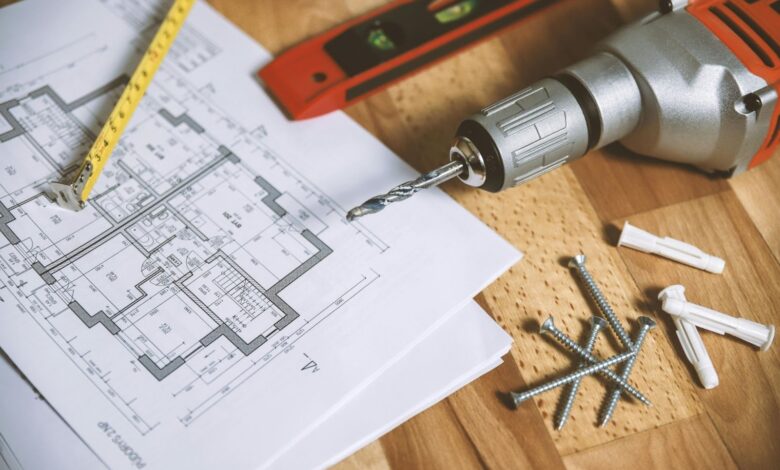
Home renovations can be exciting, offering the chance to transform your living space into something more functional and beautiful. However, the process often comes with challenges that many homeowners underestimate. From budgeting to timelines, setting realistic expectations is essential to avoid stress and disappointment. Understanding what to anticipate before starting can help you make informed decisions and enjoy the results without unnecessary frustration.
Understand the True Scope of Your Project
One of the most common mistakes homeowners make is underestimating the complexity of their renovation. A simple kitchen update can quickly turn into a full-scale remodel if hidden issues arise. Before committing, take time to define the scope of work clearly. Consult with professionals to understand what your plans involve and whether structural changes, permits, or specialized labor will be required. This step ensures you have a realistic picture of what lies ahead and prevents surprises that can derail your budget and timeline. Partnering with experienced home renovation contractors allows you to navigate these complexities with confidence, ensuring every technical detail is handled by experts who prioritize your vision and budget.
Budget Beyond the Basics
Setting a budget is more than adding up material and labor costs. Unexpected expenses are almost inevitable during renovations, whether it’s discovering outdated wiring or addressing water damage. A good rule of thumb is to allocate an additional 10 to 20 percent of your total budget for contingencies. This cushion allows you to handle surprises without compromising the quality of your project. For example, if your renovation uncovers roof leaks, you may need to schedule roof repair to protect your investment. Planning for these possibilities upfront reduces stress and keeps your project on track.
Factor in Time for Delays
Timelines are another area where expectations often fall short. While contractors may provide an estimated completion date, delays can occur due to weather, supply chain issues, or unforeseen complications. It’s wise to build flexibility into your schedule rather than planning around the earliest possible finish date. If you’re renovating a space you use daily, consider temporary alternatives to minimize disruption. Understanding that delays are common helps you stay patient and focused on the end goal rather than getting frustrated when things take longer than expected.
Communicate Clearly with Contractors
Strong communication is key to a successful renovation. Misunderstandings about design details, material choices, or deadlines can lead to costly mistakes. Establish regular check-ins with your contractor and ask for updates on progress and any potential issues. Put agreements in writing, including scope, budget, and timeline, to avoid confusion later. When both parties have a clear understanding of expectations, the process runs more smoothly and reduces the likelihood of disputes.
Balance Vision with Practicality
It’s easy to get carried away with inspiration from design magazines or social media, but not every idea fits your home or budget. Striking a balance between your vision and practical considerations is essential. Focus on improvements that add value and functionality rather than chasing trends that may not stand the test of time. Prioritize structural integrity and essential repairs before cosmetic upgrades to ensure your home remains safe and efficient. This approach helps you achieve a beautiful result without compromising on durability or financial stability.
Conclusion
Home renovations can transform your living space, but they require careful planning and realistic expectations. By understanding the scope of your project, budgeting for contingencies, allowing time for delays, maintaining clear communication, and balancing design aspirations with practicality, you set yourself up for success. These steps help you navigate challenges confidently and enjoy the process as much as the finished product. A thoughtful approach ensures your renovation enhances your home and your lifestyle for years to come.