How to Use Illinois Traffic Cameras Like a Pro on I-90
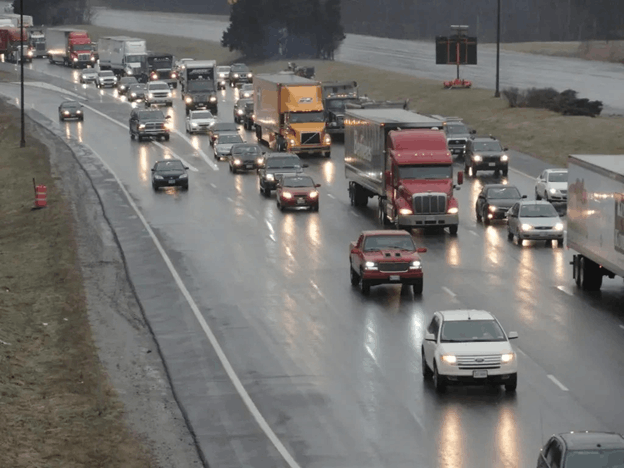
Staying safe on busy Illinois highways takes more than luck. Truckers hauling through Chicago know I-90 brings real challenges every trip.
We will explore Illinois traffic cameras and smart ways to check driving conditions on I-90. You will find clear steps and useful tips to make your journeys smoother and safer. Let us begin.
Chicago’s Freight Highways
Chicago highways carry a large volume of freight across the country each day. Routes like I-90 see constant truck traffic moving goods and materials from factories to warehouses. Gridlock forms quickly near O’Hare International Airport, especially during peak hours.
Merges at the Dan Ryan Expressway test every driver’s focus and timing. Illinois traffic cameras provide live views of road conditions ahead. These tools help drivers see problems like slowdowns or accidents before reaching them and choose better paths to stay on schedule.
IDOT and the Illinois Tollway manage thousands of cameras across the state. Coverage stays thickest around Chicago’s key traffic areas and major interchanges. Standard traffic cameras show overall traffic flow patterns clearly. Drivers can easily spot slowdowns, construction zones, or emergencies and plan route changes accordingly.
Cameras mounted on overpasses check truck weights as vehicles pass underneath. They help enforce the FMCSA federal limit of 80,000 pounds for commercial vehicles. Snapshot records from these systems allow reviews of earlier road conditions when needed. A simple FOIA request brings video details after any incident for official reports, insurance claims, or legal documentation.
Best Practices with I-90
Use these cameras alongside I-90 driving conditions for the best results. Ice develops fast on stretches from Rockford to the Indiana state line, often during night hours when temperatures drop suddenly. Construction creates significant backups at the 95th Street toll sections each summer, narrowing lanes for months. Cameras work well with radar weather information to give complete situational awareness.

Views of snow plows working and exit ramp conditions support practical detours like I-355. Professional drivers should lower their speed to below 55 mph in poor weather conditions. Keep a seven-second following gap on wet or icy roads, following established DOT safety guidelines.
Daily Shift Checklist
Add these practical steps to the beginning of your shift routine.
- Check live I-90 cameras early for clear views at Elk Grove Road and Thorndale exits.
- Review radar maps to identify ice risks near South Beloit overpasses.
- Note enforcement camera locations to avoid unexpected weight checks.
- Capture images of delays for your personal logs and dispatch records.
- Listen to CB radio for real-time information on areas cameras do not show.
These approaches turn basic information into helpful advantages that save time and prevent accidents. Many experienced drivers report catching developing issues early, such as Thorndale area slowdowns, allowing them to stay ahead of problems.
FMCSA regulations specifically call for ongoing hazard awareness during all trips. Illinois state requirements connect electronic logging devices to real-time road details for complete, accurate records.
Dashcams provide excellent support alongside camera views during compliance reviews or safety checks. On busy merges, always signal well in advance and shift lanes gradually to join the main traffic smoothly without forcing other vehicles.
I-90 will test smart lanes this year using camera data to improve overall traffic flow. Snow travel requires installing chains early and maintaining steady speeds. Camera information also highlights convenient fuel stops to reduce costly idle time.
Safe travels to all on the road.