Invisalign or Braces: Which Is Best for Straight Teeth?
Understanding the Need for Teeth Straightening
Many people choose orthodontic treatment to improve the appearance, comfort and long-term health of their teeth. Straight teeth are easier to clean, help prevent gum disease and create a confident smile. When deciding between Invisalign and traditional braces, it helps to understand how each option works, what they feel like and how well they fit your lifestyle. Both choices can create excellent results, but the best one for you depends on your teeth, routines and goals.
What Invisalign Is and How It Works
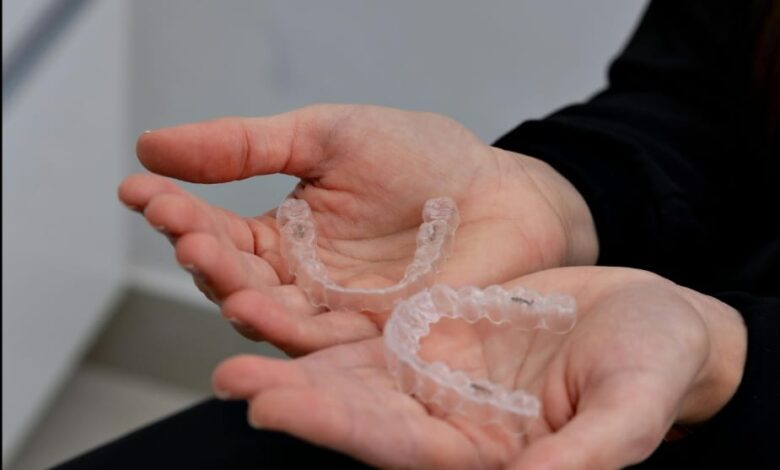
Invisalign uses a series of clear plastic aligners that gently move your teeth over time. Each aligner is worn for one to two weeks before switching to the next one in the series. The aligners fit closely to your teeth and apply light pressure that slowly shifts them into place. Because they are removable, you take them out for eating, drinking anything other than water and brushing your teeth. This makes day-to-day life feel simple and familiar.
One of the main reasons people choose Invisalign is the almost invisible appearance. The aligners sit over your teeth without wires or brackets, which makes them discreet. Many adults and teenagers appreciate being able to straighten their teeth without drawing attention to the treatment.
What Traditional Braces Are and How They Work
Braces have been used for many years and remain one of the most effective ways to straighten teeth. They consist of small brackets fixed to each tooth, joined together with a thin wire. Your orthodontist adjusts the wire at intervals to guide the teeth into their new positions. Braces can straighten complex cases, including severe crowding, large gaps and bite problems. They work continuously because they stay on your teeth at all times.
Today’s braces are lighter and more comfortable than previous versions. They can be metal, ceramic or even placed behind the teeth in some cases. Although braces are more visible than Invisalign, they are known for producing reliable and predictable results, especially for more complicated orthodontic needs.
Comfort and Day-to-Day Experience
Comfort is an important factor for anyone choosing between Invisalign and braces. Invisalign aligners are smooth and fit snugly, so they do not rub the cheeks or tongue. When you start a new set, you may feel gentle pressure or mild discomfort for a day or two, but this usually settles quickly. Since the aligners are removable, you can take them out for short periods, which many people find reassuring.
Braces may cause slight soreness after adjustments because the wire is tightened to continue tooth movements. You might feel rubbing on the inside of your mouth until you get used to them, but orthodontic wax can help. Most people adapt within a week and find that after the initial period, braces are easy to manage. Eating requires a little more thought because very sticky or hard foods can damage the brackets, but with time this becomes second nature.
Appearance and Confidence
If appearance is important to you, Invisalign is often the preferred choice. The clear aligners are barely noticeable, even in photos or conversations, which makes them appealing for adults who want a discreet solution. Teenagers who feel self-conscious about their smile during treatment often appreciate this option too.
Braces are more visible, though ceramic braces offer a more subtle look. Some people, especially younger patients, enjoy choosing coloured bands and see braces as part of their style. The main point to remember is that both braces and Invisalign can give you straighter teeth and more confidence in the long run.
Treatment Time: Which Is Faster?
The length of treatment depends on the complexity of your teeth. For mild to moderate issues, Invisalign and braces may take a similar amount of time. Invisalign aligners are typically worn for 20–22 hours a day, and the treatment time can be shorter if you follow the instructions closely. For complex or severe cases, braces are often faster and more efficient because they can move teeth in ways that aligners cannot.
Your dentist or orthodontist at Peak Dental will examine your mouth and advise how long each method would take for your specific needs. Some people achieve results in as little as six months, while others may need eighteen months or more.
Cleaning and Oral Hygiene
A big advantage of Invisalign is how easy it makes oral hygiene. Because you remove the aligners for brushing and flossing, you can clean your teeth thoroughly without working around brackets or wires. This reduces the risk of plaque build-up and keeps your gums healthy throughout the treatment.
Braces require more care, as food can get trapped around the brackets. You will need to brush more carefully, possibly with special tools such as interdental brushes. Although it takes a bit more effort, many people manage very well and keep their teeth clean with the right routine.
Eating and Lifestyle Considerations
Invisalign fits well into busy lifestyles. You remove the aligners for meals, which means you can eat your usual foods without restrictions. This makes social events, family meals and snacks easier. However, you must remember to put the aligners back in afterwards, as wearing them consistently is crucial for good results.
Braces, on the other hand, require you to avoid chewy, sticky or very crunchy foods that could damage the brackets. You may need to adapt some habits, such as cutting apples into smaller pieces or avoiding popcorn. While this seems like a big change at first, many people get used to the routine quickly.
Costs and Value
The cost of Invisalign and braces varies depending on the length and complexity of treatment. In some cases, Invisalign can be slightly more expensive, but this depends on your dentist and the number of aligners needed. Braces are often the more cost-effective option for complicated cases. It is worth discussing both options in a consultation so you can compare costs and expected outcomes.
Some dental practices offer payment plans to make treatment more manageable. Because straight teeth can improve long-term oral health, many people see the investment as worthwhile.
Which Option Gives the Best Results?
Both Invisalign and braces can give excellent, long-lasting results. The key difference lies in the type of movement needed. Invisalign is ideal for mild to moderate straightening and for people who want a discreet treatment. Braces are better suited to complex or severe cases where precise control of movement is needed. The best choice depends on your teeth, your lifestyle and your goals.
Final Thoughts
Choosing between Invisalign and braces can feel like a big decision, but understanding the differences makes it easier. Both treatments can help you achieve a straighter, healthier smile. Invisalign offers comfort, flexibility and discretion, while braces provide strong and reliable correction for even the most complex cases. A consultation with your dentist will help you find the option that suits you best, giving you a clear path towards the confident smile you want.
When you are ready to explore these orthodontic options, it is helpful to look for a provider who specializes in modern aesthetic enhancements. You can search for terms like cosmetic Delray Beach or dentist near me,