Eat Your Favorite Foods Again With a Dental Implant Newcastle
Eating your favourite foods can become more difficult when a tooth is no longer there. Meals that once felt normal, like biting into an apple or enjoying firmer foods, may require more effort or adjustments. Over time, some people start avoiding certain foods because of discomfort or difficulty chewing. Dental implants provide a reliable way to restore chewing ability and bring back a more natural feel when eating. For patients across the North East, finding a trusted provider for Dental Implant Newcastle can help ensure they receive suitable care and support throughout the treatment process.
The Problem with Missing Teeth and Dentures
When you lose a tooth, the jawbone in that area stops receiving stimulation. The body begins to reabsorb the unused bone. Over time, the jaw shrinks. This bone loss changes the shape of your face and weakens your bite. Traditional dentures rest on the gums. They do not prevent bone loss. Dentures also limit what you can eat. A person wearing standard dentures regains only 20 to 30 percent of their natural biting force. Foods require more chewing time, and hard items remain off the menu. Slipping dentures cause sore spots and make eating in public stressful. A Dental Implant Newcastle solves these issues by replacing the tooth root.
How Dental Implants Restore Your Bite
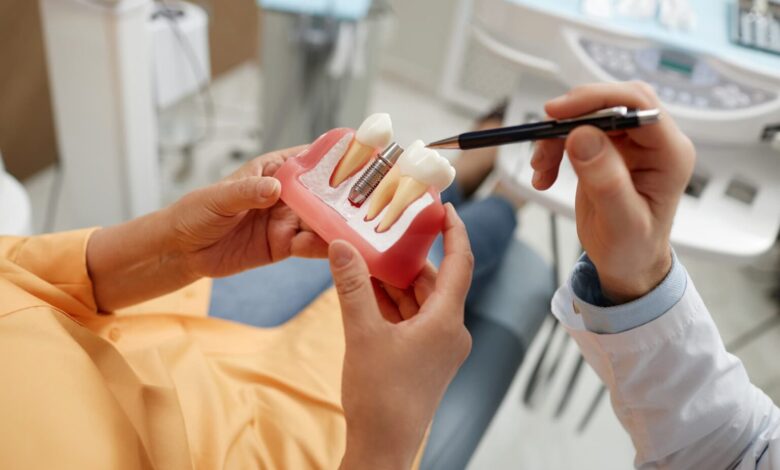
An implant consists of three parts. The surgeon places a small post into the jawbone. This post acts as the new root. A connector piece, called an abutment, attaches to the post. Finally, the dentist secures a custom crown on top. The biological process occurs in the bone. The titanium or ceramic post fuses directly with the jawbone over several months. Doctors call this process osseointegration. Once fused, the implant becomes a permanent part of your body. You regain nearly 100 percent of your natural biting force. You can bite into an apple or chew a tough piece of meat without hesitation. The implant stays completely still while you eat. Choosing a Dental Implant Newcastle means you get a stable, long-term replacement for your missing teeth.
Types of Implant Treatments Available
Clinics offer several options depending on how many teeth you need to replace.
Single implants replace one missing tooth. The dentist places one post and one crown. This method leaves your healthy neighboring teeth completely untouched.
Implant-supported bridges work for multiple missing teeth in a row. Instead of placing an implant for every gap, the surgeon places two posts. A bridge of several crowns attaches to these two posts. This approach saves money and reduces surgery time.
Full arch restorations help patients missing all their teeth. Techniques like All on 4 or All on 6 use four or six posts to support an entire row of teeth. Patients receive a fixed, non-removable set of teeth. This method provides maximum stability for eating.
Material choices also matter. Titanium posts offer proven strength and durability. Ceramic posts provide a metal-free option. Ceramic blends well with the gum tissue, making it ideal for front teeth. A comprehensive Dental Implant Newcastle clinic will discuss all these material and structural options with you.
The Step-by-Step Treatment Journey
The process takes several months. Patience yields the best results.
Step one is the consultation. The dentist examines your mouth and takes 3D scans. These scans show the exact density and shape of your jawbone. The dentist checks your medical history to ensure safe surgery.
Step two involves planning. The dental team uses the 3D images to map the exact angle and depth for the post. If your scans show insufficient bone, the plan includes bone grafting. The surgeon adds bone material to your jaw to create a wider base. This adds a few months to the timeline but ensures the implant has enough support.
Step three is the surgery. The dentist administers local anesthesia to numb the area. You feel no pain during the procedure. The surgeon makes a small incision in the gum and drills a precise hole into the bone. They insert the post and stitch the gum closed.
Step four is healing. You wait three to six months. During this time, the bone grows around the post. You eat soft foods while the site heals.
Step five is the restoration. The dentist attaches the abutment and takes impressions for the final crown. The dental lab creates a crown that matches the color and shape of your natural teeth. The dentist secures the crown, and you can resume your normal diet. Opting for a Dental Implant Newcastle guarantees you have local support throughout every single step of this journey.
Addressing Common Fears
Many people avoid treatment because they fear pain or surgical complications. Modern dentistry focuses heavily on patient comfort. The surgeon uses local anesthesia to completely numb the surgical site. You feel pressure, but no sharp pain, during the procedure. For patients with severe dental anxiety, clinics offer intravenous sedation. This medication relaxes you deeply, and you remember very little about the surgery afterward.
Recovery usually involves minor swelling and soreness for three to five days. Over-the-counter pain relievers manage this discomfort easily. Most patients return to their normal routines within two days. Eating soft foods like yogurt, scrambled eggs, and mashed potatoes keeps you comfortable while the gums heal. Knowing what to expect removes the fear of the unknown.
Choosing the Right Local Clinic
Proximity matters when you undergo oral surgery. You need multiple appointments for scans, surgery, and follow-ups. Traveling long distances for each visit adds stress and takes time away from work. A local clinic allows you to pop in quickly if you experience swelling or discomfort after surgery.
Westmount Dental Surgery operates across the North East, including locations in Gateshead, Sunderland, and Middlesbrough. Their local presence means you receive continuous care from the same team. They use advanced 3D imaging and digital planning to ensure precise post placement. They also maintain an in-house dental laboratory. This means your custom crowns and bridges are crafted on-site, ensuring high quality and faster turnaround times.
The team consists of specialist dentists who handle complex cases daily. They perform bone grafts and place specialized implants for patients with severe upper jaw bone loss. Their extensive experience translates to higher success rates. Reading patient reviews provides peace of mind. A reputable Dental Implant Newcastle provider will have thousands of verified testimonials from local patients who successfully restored their smiles.
Understanding the Costs and Financing
Dental work requires a financial commitment. In the UK, a single tooth implant typically costs between £2,500 and £3,500. This price covers the consultation, the surgery, the post, and the final crown. While the upfront cost seems high, implants last a lifetime with proper care. Traditional bridges need replacement every 10 to 15 years. Dentures require relining and eventual replacement. Implants prove more cost-effective over your lifetime.
Many patients worry about paying this amount all at once. Local clinics understand this concern and offer flexible payment plans. You can spread the cost over 12, 24, or even 60 months. Many practices provide interest-free finance options, making the monthly payments manageable. Some plans require a small deposit, while others start with zero down payment. When you research a Dental Implant Newcastle, always ask the clinic for a detailed written fee guide before committing to the treatment.
Maintaining Your New Teeth
Implants do not decay, but the gums around them still need protection. Gum disease can cause the bone supporting the implant to deteriorate. You must maintain excellent oral hygiene. Brush your teeth twice a day with a soft-bristled toothbrush. Floss daily to remove plaque from between the teeth and around the abutment. Interdental brushes help clean hard-to-reach areas.
You also need professional cleanings. Visit your dentist or hygienist every six months. They use special instruments to clean the implant without scratching the surface. They also check the bite alignment and ensure the crown remains secure. Proper maintenance ensures your investment lasts for decades. A dedicated Dental Implant Newcastle clinic will provide a clear aftercare schedule and teach you the exact cleaning techniques required for your specific restoration.
Final Verdict
Losing teeth restricts your diet and affects your confidence. Dental implants restore your ability to eat any food you want. They provide the biting force and stability of natural teeth. The treatment requires time and patience, but the results permanently change your daily life. By choosing a local specialist, you ensure safe surgery and reliable long-term care. You can return to enjoying your favorite meals without worry or discomfort.