Jello Shot Syringes: A Safe Solution for Children’s Liquid Medications
Every parent knows the struggle: your child needs medicine, but getting them to swallow it becomes a battle of wills. Liquid medications spill, doses get wasted, and you’re left wondering if they received the right amount. What if there was a simple, affordable tool that could transform this daily challenge into a stress-free routine? Enter the humble jello shot syringe—a plastic oral syringe originally designed for party treats but surprisingly perfect for administering children’s medications. These syringes offer two game-changing benefits: they deliver precisely measured doses every time, and they make the entire process remarkably hassle-free for both parent and child. This article will show you exactly how to safely repurpose these readily available plastic syringes for medical use, ensuring your child receives accurate medication doses without the tears, spills, or guesswork that plague traditional methods.
Why Accuracy Matters: The Critical Need for Precise Dosing in Pediatrics
When it comes to children’s medications, precision isn’t just important—it’s essential for their safety and wellbeing. Under-dosing can render a medication ineffective, leaving infections untreated or pain unmanaged, while over-dosing poses serious risks including toxicity, organ damage, and potentially life-threatening reactions. Children’s bodies process medications differently than adults due to their smaller size, faster metabolism, and developing organ systems, making even small measurement errors potentially dangerous. A dose calculated for a 30-pound toddler differs significantly from one for a 50-pound kindergartener, yet many parents unknowingly use inaccurate measuring tools.
Kitchen teaspoons vary wildly in capacity—studies show they can hold anywhere from 3 to 7 milliliters when a standard medical teaspoon should be exactly 5 mL. Similarly, those dosing cups that come with medicine bottles are difficult to read at eye level and easy to misinterpret in dim lighting during nighttime doses. Pediatricians and pharmacists universally recommend oral syringes as the gold standard for liquid medication administration because they provide milliliter-precise measurements with clear markings that eliminate guesswork. These medical-grade tools ensure you can draw up exactly 2.5 mL or 7.3 mL—whatever your doctor prescribed—with confidence that your child receives the correct therapeutic dose every single time.
From Party to Pharmacy: Repurposing Plastic Syringes Safely
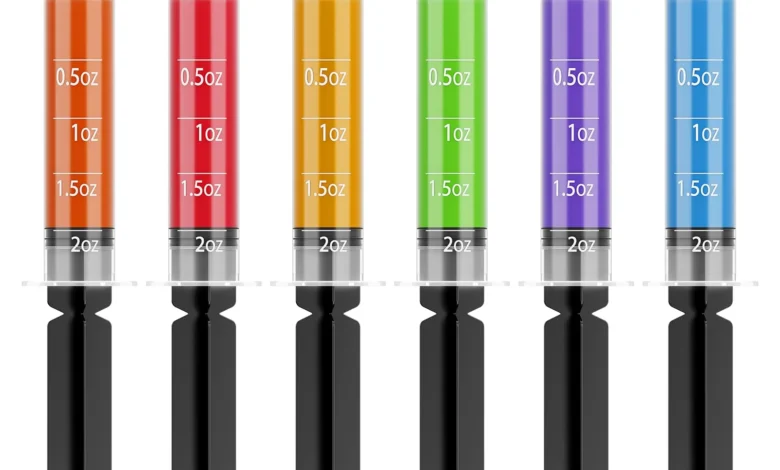
The idea of using “jello shot syringes” for children’s medicine might initially raise eyebrows, but let’s clarify exactly what we’re discussing. We’re talking about brand-new, unused, food-grade plastic oral syringes—the same type designed for dispensing gelatin shots at parties. These aren’t medical waste being repurposed; they’re clean, affordable tools that meet the same functional requirements as pharmacy-dispensed oral syringes. Many tableware suppliers, including brands like Jolly Chef, offer food-grade plastic syringes with clear milliliter markings that can serve this dual purpose. The key is ensuring they meet specific safety criteria before any medical use.

Step-by-Step: How to Prepare and Sterilize Your Syringe
First, verify your syringes are BPA-free plastic with clear milliliter markings (not just ounces) and feature a removable plunger for thorough cleaning. Before first use, disassemble the syringe by pulling the plunger completely out of the barrel. Wash both components with warm, soapy water, scrubbing gently. Next, sterilize by either boiling in water for five minutes or running through your dishwasher’s sanitize cycle. Place components on a clean paper towel and allow them to air dry completely—moisture can harbor bacteria. Only reassemble the syringe once both parts are bone-dry. This initial sterilization transforms a party supply into a medical-grade tool ready for safe medication administration.
Mastering the Technique: A Hassle-Free Serving Guide for Parents
Once your syringe is properly sterilized, the actual medication administration becomes straightforward. Start by shaking the medicine bottle if instructed on the label, then remove the cap and insert the syringe tip into the liquid. Pull the plunger slowly upward until the medication reaches the exact milliliter line prescribed by your doctor—if you need 4.2 mL, draw to precisely that marking. If you notice air bubbles in the barrel, gently tap the syringe while holding it upright and push the plunger slightly to expel them, then draw more medicine to reach the correct dose again. This ensures your child receives the full amount rather than a combination of medicine and air.
Pro Tips for Easy Administration of Liquid Medications
When it’s time to administer, seat your child upright or at a slight angle—never lying flat, which risks choking. Place the syringe tip against the inside of their cheek, not directly toward the throat, and dispense the medicine slowly in small amounts, allowing them to swallow between pushes. This cheek-pocket method prevents gagging and gives them control over swallowing. For particularly resistant children, try chilling the syringe tip in cold water for thirty seconds to numb taste buds slightly, or let them hold an empty “practice” syringe to feel involved in the process. Keep their favorite juice or snack nearby as an immediate chaser to wash away any unpleasant aftertaste. Throughout the process, maintain a calm, matter-of-fact demeanor—your confidence translates to their cooperation. The syringe’s precision means no drips down the chin, no wrestling with spoons, and no uncertainty about whether the dose went in or on their shirt, transforming medicine time from a dreaded ordeal into a quick, controlled routine that respects both your need for accuracy and your child’s comfort.
Beyond the Syringe: Ensuring Overall Safety and Reliability
While the oral syringe itself provides mechanical precision, true medication safety requires attention to the complete process surrounding its use. Before every dose, pull out the prescription label or your pharmacist’s instructions and verify you’re giving the right amount—double-checking prevents the all-too-common error of confusing similar medications or misremembering the doctor’s orders from a hectic appointment. Dedicate one syringe exclusively to each medication your child takes; using the same syringe for antibiotic and pain reliever, even after washing, risks cross-contamination and residue mixing. Understanding measurement units prevents dangerous mistakes—remember that teaspoons (tsp) and milliliters (mL) are not interchangeable, and always follow the mL measurement on your syringe rather than trying to convert from teaspoons.
Between doses, proper maintenance keeps your tool safe and functional. Immediately after each use, disassemble and wash the syringe thoroughly with warm soapy water, paying special attention to the plunger tip and barrel interior where sticky medication residue accumulates. Allow both pieces to air dry completely before reassembling and storing in a clean, dry location away from your child’s reach. Replace syringes every few months or immediately if you notice cracks, cloudiness, or markings that have worn off. The syringe is your precision instrument, but it works only within a framework of careful practices—verifying doses, preventing contamination, understanding measurements, and maintaining cleanliness. This holistic approach transforms a simple plastic tool into a reliable system that protects your child’s health with every carefully measured dose.
Safe and Accurate Medication Administration Made Simple
Administering liquid medications to children doesn’t have to be a daily battle filled with spills, tears, and uncertainty. As we’ve explored, accurate dosing is non-negotiable in pediatrics—children’s developing bodies demand precision that household spoons simply cannot provide. Properly prepared plastic oral syringes, even those originally marketed for party use, offer the same milliliter-accurate measurements that pediatricians recommend, transforming them into reliable medical tools when you follow proper sterilization and safety protocols. By mastering the straightforward techniques we’ve outlined—from drawing precise doses and eliminating air bubbles to positioning the syringe against your child’s cheek for comfortable administration—you can turn medicine time into a quick, controlled routine rather than a stressful ordeal. Remember that the syringe itself is just one component of a complete safety system that includes verifying doses against prescription labels, dedicating one syringe per medication, understanding measurement units, and maintaining cleanliness between uses. With these practices in place, you’re not just giving medicine—you’re protecting your child’s health with confidence and care. Embrace this simple, affordable solution and reclaim peace of mind knowing that every dose is accurate, every administration is dignified, and your child’s wellbeing is secured through a method that respects both medical necessity and parental compassion.