Navigator Pear: A Hardy Ornamental Tree for Modern Landscapes
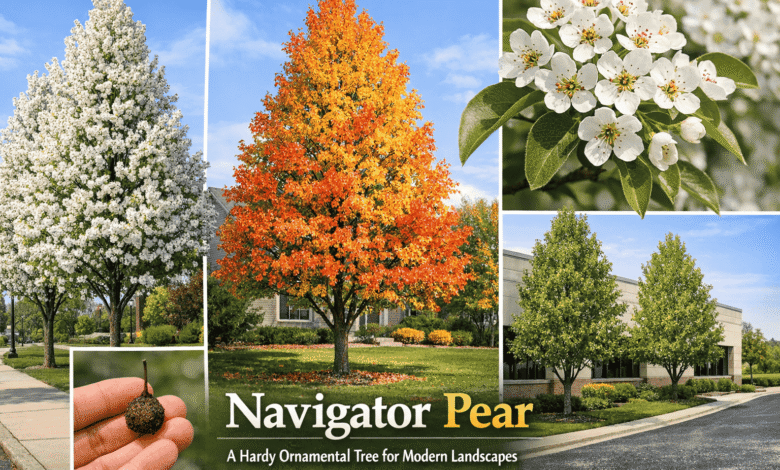
The navigator pear is gaining popularity among homeowners, landscapers, and city planners for its strong structure, cold hardiness, and elegant seasonal beauty. Known primarily as an ornamental pear variety, the navigator pear offers a combination of visual appeal and durability, making it ideal for urban landscapes, residential yards, and commercial plantings. In this in-depth guide, we’ll explore everything you need to know about the navigator pear—its characteristics, growth habits, benefits, care requirements, and why it’s becoming a top choice in colder climates.
What Is a Navigator Pear?
The navigator pear is an ornamental pear variety, often botanically classified as Pyrus × ‘DurPSN303’. It is bred specifically for landscape use rather than fruit production. Unlike traditional eating pears, the navigator pear is prized for its structure, blossoms, and resilience.
This tree is especially popular in northern regions due to its excellent cold tolerance and ability to thrive in harsh climates, whereas other ornamental trees struggle.
Key Characteristics of the Navigator Pear
The navigator pear stands out because of its strong form and reliable performance. Below are its most notable features:
Upright and Pyramidal Shape
One of the most appealing traits of the navigator pear is its naturally upright, symmetrical growth habit. It forms a narrow pyramidal shape, making it ideal for:
- Street plantings
- Driveway borders
- Smaller urban landscapes
- Accent trees in gardens
Its controlled form reduces the need for aggressive pruning.
Attractive Spring Blossoms
In early spring, the navigator pear produces an abundance of white blossoms. These blooms are showy and bright, making the tree a standout feature before most other trees have leafed out.
The flowers also attract pollinators, adding ecological value to your landscape.
Clean Growth with Minimal Fruit
Unlike many ornamental pears that drop messy fruit, the navigator pear is known for minimal to no fruiting. This makes it a low-maintenance option, especially for sidewalks, patios, and driveways where fallen fruit can be a nuisance.
Fall Color Interest
As autumn arrives, the foliage of the navigator pear transitions into warm hues of yellow, orange, and sometimes red. This seasonal color change adds visual interest long after summer has passed
Growth Size and Habit
The navigator pear is considered a medium-sized ornamental tree.
Typical mature dimensions include:
- Height: 25–35 feet
- Spread: 12–18 feet
- Growth rate: Moderate
Its upright habit makes it a great option for narrow spaces, providing shade and structure.
Hardiness and Climate Tolerance
One of the biggest advantages of the navigator pear is its exceptional cold hardiness.
Climate Adaptability
- Thrives in USDA Hardiness Zones 2–7
- Performs well in harsh winters
- Tolerates wind, frost, and temperature swings
This makes it especially popular in northern regions such as Canada and the northern United States, where many ornamental trees fail to survive.
Urban Tolerance
The navigator pear handles:
- Air pollution
- Compacted soils
- Road salt exposure
- Drought once established
These traits make it a reliable choice for city landscapes and commercial developments.
Soil and Sun Requirements
To ensure healthy growth, proper site selection is essential.
Sunlight
- Prefers full sun
- A minimum of six hours of direct sunlight daily
- More sun leads to better flowering and fall color
Soil Conditions
- Adapts to most soil types
- Prefers well-draining soil
- Tolerates clay and slightly alkaline soil
Avoid planting in areas with constant standing water, as poor drainage can lead to root issues.
Maintenance and Care
One of the reasons gardeners love the navigator pear is its low-maintenance nature.
Watering
- Water regularly during the first growing season
- Once established, it is drought-tolerant
- Occasional deep watering during dry periods is sufficient
Pruning
- Minimal pruning required
- Best done in late winter or early spring
- Prune deceased or crossing branches to preserve the shape
Fertilization
- Not heavy feeders
- A balanced fertilizer in early spring can promote healthy growth
- Avoid over-fertilizing, which may lead to weak branches
Common Uses of the Navigator Pear
The versatility of the navigator pear makes it suitable for many landscape applications:
Residential Landscaping
- Front yard focal tree
- Driveway lining
- Backyard shade tree
Commercial and Urban Use
- Street tree planting
- Parking lot borders
- Office parks and public spaces
Decorative Planting
- Seasonal interest tree
- Paired symmetrically along walkways
- Accent tree for modern landscapes
Its tidy growth habit and limited fruit drop make it ideal for clean, professional environments.
Navigator Pear vs Other Ornamental Pear Trees
When compared to other ornamental pears like Bradford or Chanticleer, the navigator pear offers several advantages:
| Fruit drop | Minimal | Heavy |
| Branch strength | Strong | Weak |
| Shape | Upright, controlled | Wide, spreading |
| Cold tolerance | Excellent | Moderate |
| Maintenance | Low | Moderate to high |
Because of these benefits, many landscapers now prefer the navigator pear over older ornamental pear varieties.
Potential Concerns to Consider
While the Navigator Pear is a strong performer, it’s still important to consider a few points:
- Not grown for edible fruit
- Requires full sun for best performance
- Like all pears, they may be susceptible to fire blight in rare cases
Proper spacing, good airflow, and healthy soil help prevent most issues.
Conclusion: Is the Navigator Pear Right for You?
The navigator pear is an outstanding choice for anyone seeking a beautiful, low-maintenance ornamental tree with excellent cold tolerance and year-round appeal. Its upright growth, striking spring flowers, vibrant fall color, and minimal fruiting make it especially suitable for both residential and commercial landscapes.
You May Also Read: The Enchanting World of Maple Trees: Nature’s Gift of Beauty and Utility