Planning Layout, Utilities, and Safety for a Tiny House with Pool
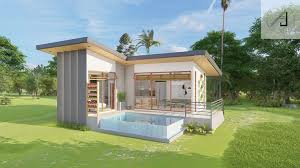
The idea of a tiny house with pool might sound like a contradiction. Pairing minimalist living with a backyard pool seems impossible at first. But smart planning changes everything. Thoughtful design choices let both elements coexist without sacrificing either one.
A modern tiny house with pool needs a different mindset compared to standard construction. Every square foot matters exponentially when space is limited. Success comes from careful planning during the early stages, where changes cost nothing more than eraser marks on paper.
There’s something special about having a pool just outside your door. You can start the day with a quick swim before breakfast. Evening dips happen on a whim, not after a long walk across the yard. Smaller properties often create better connections to outdoor spaces than sprawling estates where the pool sits far from the house.
Smart Pool Positioning Strategies
Where you put the water feature changes how the whole outdoor space works, especially when designing a tiny house with pool. Positioning it against the house wall, boundary fence, or deck edge saves critical room. This setup cuts out unnecessary walking paths and opens up the limited yard space common in small-scale living.
Try running the pool parallel to your backyard’s longest side. Eyes naturally follow the length, which tricks people into thinking there’s more space. L-shaped pools fit nicely into corners while leaving room for a vegetable garden or dining area. Some designs curve around existing trees rather than requiring their removal.
Ideal pool configurations for small yards:
- Corner placement to maximize open lawn areas
- Against-the-house positioning for easy indoor-outdoor flow
- L-shaped designs that preserve space for outdoor dining
- Parallel to the longest property line for visual expansion
Choosing Between Spools and Plunge Pools
“Spool” might sound made-up, but it’s real—a mix of spa and pool rolled into one. These units usually measure 8 to 12 feet across, fitting where traditional pools wouldn’t. For a tiny house with swimming pool, they’re often the best choice.
Forget about diving or lap swimming here. These pools work best around 3 to 4 feet deep, perfect for floating and cooling down. Less water means cheaper heating bills and fewer chemicals to buy each month.
Above-ground versions skip the digging entirely, which is an excellent shortcut for a tiny house with pool project. The deck wraps around to hide the walls, making them look built-in. Some homeowners like that these can move with them if they relocate.
Creating Seamless Indoor-Outdoor Flow
Glass doors make tiny spaces feel bigger, especially wide folding ones that span 8 feet or more. Opening them fully joins the living room and pool deck into one zone. You get double the usable space without building anything new.
Tall ceilings help a lot inside smaller homes. Loft areas or vaulted designs draw attention upward. Outside, vertical gardens mounted on walls bring in plants without eating up deck space around the tiny house with pool.
Selecting the Right Decking Materials
Decking around pools gets walked on constantly while staying wet most of the time. Choosing materials that won’t turn into a skating rink matters.
Top decking material options:
- Natural wood: Feels good on bare feet, grips well when cleaned regularly
- Composite decking: Doesn’t rot or splinter, keeps its color for years
- Textured concrete: Tough enough for anything, can be customized with stamps or stains
- Stone pavers: Timeless appearance, stays relatively cool, barely needs attention
Wood needs washing with simple soap every few weeks during pool season. Pressure washers seem convenient, but actually ruin the wood fibers. Composite boards cost about 50% more initially but you’ll never stain or seal them. Pick colors in the middle range—dark shades get scorching hot, and light ones cause glare.
Essential Utility Planning
Electrical Setup Requirements
Pool equipment needs dedicated power separate from household circuits. The pump alone requires a 240-volt circuit with 30-40 amp capacity. All pool electrical components must route through ground-fault circuit interrupter (GFCI) protection for safety.
LED pool lighting has changed the game, using 75% less electricity than older halogen lights. Three to four strategically placed LED lights adequately illuminate a small pool while adding ambiance.
Solar power makes sense for a tiny house with pool, especially for off-grid properties. Modern solar pumps work efficiently in most climates, though cloudy periods reduce performance. A typical spool needs 600-800 watts of solar panel capacity—easily fitting on a tiny house roof.
Plumbing and Filtration Basics
Equipment location affects how much electricity is used to run the pump. Keeping the filter, pump, and heater close to the water cuts energy waste. Most people tuck this gear under the deck or right against the foundation.
PEX tubing works better than older PVC pipes for pool plumbing. It bends around obstacles, survives cold snaps, and uses fewer connection points where leaks could start. Winter climates demand extra attention—pipes in exterior walls can burst when temperatures drop.
Cartridge filters make more sense than sand versions for smaller pools. They use less water during cleaning cycles, which adds up when your total pool holds only 5,000-8,000 gallons. Replacing cartridges yearly costs roughly $100, though some people rinse and reuse them a few times.
Safety First: Regulations and Protections
Pool safety rules exist almost everywhere. Fences need to stand at least 48 inches tall with gates that close and latch by themselves. You’ve got options—glass panels for unobstructed views, wrought iron for classic looks, or wood slats for privacy.
Setback distances from property lines typically require a minimum of 5 feet. This buffer prevents boundary disputes and allows maintenance access. Some areas mandate greater distances from the house foundation to protect structural integrity.
Required safety features:
- Compliant perimeter fencing with proper gates
- Pool covers (solid or mesh) for when not in use
- Electrical bonding of all metal components
- GFCI protection on all pool circuits
- Proper signage if required by local code
Bonding ties together every metal piece touching the pool—ladders, rails, light fixtures, pump casings. A copper wire running between them prevents electrical shocks. Hire an electrician for this work rather than attempting it yourself.
Pools count as permanent structures in most places, triggering permit requirements. You’ll submit plans showing measurements, equipment spots, and wiring diagrams. Some planning departments respond in days, while others take six weeks.
Maximizing Storage and Function
The space under the decks works perfectly for storing chemicals and cleaning gear. Add vents so air moves through and prevents moisture problems. Locks keep kids away from hazardous chemicals.
Building seats into the pool walls eliminates the need for separate chairs on the deck. Shallow tanning ledges give kids a safe wading area. These extras barely increase construction costs but would be expensive additions later. Hooks and baskets mounted on walls corral floaties and toys neatly.
Making It Work
Combining a modern tiny house with pool takes juggling—you’re balancing space limits, safety codes, looks, and money. Getting the planning right matters most. People who research local rules thoroughly and think through layout options before breaking ground end up happiest with their results.
There’s real value in having water right outside your door. The convenience changes how you use outdoor space. Compact doesn’t mean compromised when the design gets done right.