Post-C-Section Massage Guide: When to Start and What to Expect
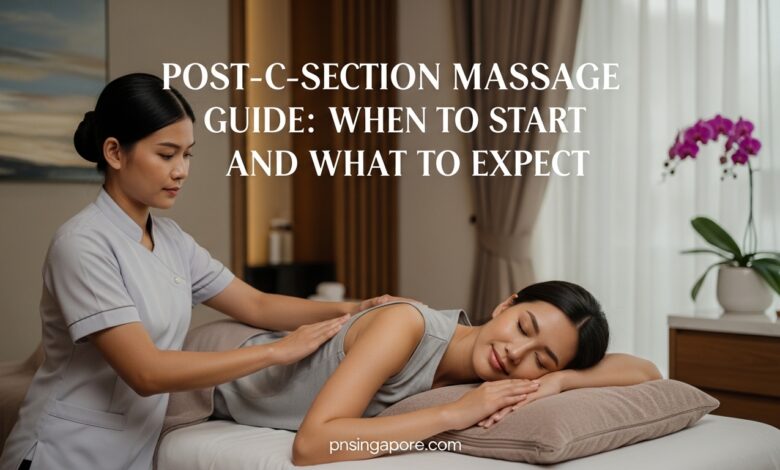
Recovering from a C-section takes time, patience, and practical support. A well-timed massage often helps you feel more comfortable in your body again, especially when carrying, feeding, and settling your newborn, and can help relieve strain on your back, shoulders, and hips. This post-C-section massage guide walks you through when to start, how to stay safe, and what a session should feel like.
Many parents in Singapore also worry about hygiene, travelling too soon, or accidentally irritating the incision. You can avoid most of those concerns by following the right timeline, obtaining medical clearance, and working with a certified therapist who understands post-op precautions.
Post-C-Section Massage Guide: when to start and what to expect
When can you start massage after a C-section?
You do not need to “wait it out” with discomfort, but you do need to match the massage style to your healing stage. Ask your obstetrician for clearance first, especially if you have had complications, an increased risk of infection, or slower wound healing.
Use this timeline as a practical guide:
| Time after C-section | What often feels OK (with doctor’s clearance) | What to avoid |
| Week 1 to 3 | Gentle hand, foot, shoulder, neck, or upper-back massage; light leg work to ease tension | Any pressure near the incision, deep abdominal work, scar techniques |
| Week 2 to 6 | Longer sessions focused on back, hips, legs; careful positioning for comfort | Direct work over the scar until the wound fully closes, and your doctor agrees |
| Week 6 to 8 and beyond | Gradual introduction of scar mobilisation and deeper core-related techniques, if appropriate | Aggressive pressure that causes sharp pain, pulling, heat, or redness |
Research suggests massage therapy may help reduce perceived pain and discomfort after a C-section, especially when introduced at the right stage of healing.
What “safe” post-C-section massage looks like in real life
A good therapist leads with comfort and caution, not intensity. In the early weeks, they focus on areas that overwork quickly after delivery, such as the upper back (feeding posture), shoulders (lifting and carrying), hips, and calves (general tension and fluid changes).
Expect your therapist to:
- Ask about your delivery, incision status, bleeding, swelling, and pain levels
- Check how you tolerate side-lying or supported positions
- Avoid your abdomen and scar at the start, even if you “feel fine”
- Adjust pressure frequently and ask for feedback throughout the session
For many parents, the biggest immediate win comes from positioning. Side-lying support and careful bolstering often reduce pulling sensations around the incision while still letting your therapist treat the areas that ache most.
What benefits can you realistically expect?
Massage can support comfort and relaxation during recovery. It does not replace medical care, and it will not “fix” surgical healing on its own. Still, the right session often helps you function better day to day.
Commonly reported benefits include:
- Lower perceived pain and muscle tightness
- Reduced stress and anxiety levels
- Improved circulation and a lighter feeling in the limbs
- Better sleep quality and more effortless relaxation
Clinical findings also support specific techniques. Studies on hand and foot massage after C-section show reduced pain and anxiety, plus overall relaxation benefits such as lower stress levels and improved comfort. Some studies suggest improved comfort may make breastfeeding feel easier for some mothers.
If you notice persistent low mood, panic, or loss of interest in daily life, seek medical support promptly. A clinician should guide assessment and treatment for any serious mental health concern.
Scar massage: when it helps, and when you should wait
Many people feel nervous about touching the scar. That worry makes sense, but scar care often helps once your doctor confirms full closure and absence of infection.
Research suggests gentle scar mobilisation may help improve scar flexibility over time. That matters because scar stiffness can contribute to tightness, pulling, or restricted movement as you return to walking, gentle exercise, and daily tasks.
Start scar work only when you meet these conditions:
- Your doctor confirms the incision has healed and closed fully
- You have no heat, discharge, fever, increasing redness, or unusual swelling
- You can tolerate a light touch around the area without sharp pain
A qualified therapist should begin with gentle desensitisation and light mobilisation techniques, then progress slowly over multiple sessions. You should feel mild stretching or pressure at most, not sharp pain.
Some mothers may experience scar tightness or adhesions after a C-section, and these conditions become more common with repeat procedures. That stat does not mean you will develop a problem, but it does explain why careful scar management is often part of the longer-term recovery.
Safety checklist: when you should skip a massage and call your doctor
Do not book a session if you have symptoms that suggest complications. Massage increases circulation and can worsen certain conditions when you ignore warning signs.
Avoid massage and seek medical advice if you have:
- Fever, chills, or signs of infection
- A wound that has not closed, or any discharge from the incision
- Sudden worsening pain, increasing redness, or heat around the scar
- Signs of blood clot risk, such as calf pain, swelling, redness, or shortness of breath
- Uncontrolled high blood pressure, preeclampsia concerns, or severe headaches with visual changes
If you feel unsure, delay the session and ask your obstetrician. You lose nothing by staying cautious in the early weeks.
How to choose the right postnatal massage after C-section in Singapore
When you search for postnatal massage after a c-section, you will see everything from spa-style relaxation to structured, recovery-focused care. Your best choice depends on your stage of healing and your goals.
Look for:
- Clear intake questions about your surgery and current symptoms
- Comfort-first positioning and a plan to avoid the incision early on
- Hygiene standards that suit newborn care
- Credentials you can verify, not vague “experience” claims
Many new parents also prefer at-home sessions because they reduce strain. You avoid long walks, car rides, and the stress of managing feeds and nappies outside. You also avoid shared spaces, which supports hygiene when you and your newborn need extra protection.
If you want to explore structured support, you can check details about PNSG’s at-home postnatal offerings here.
PNSG sends therapists to your home so that you can rest straight after the session. PNSG also works with 70+ certified therapists across Singapore and uses authentic products selected with mums and newborns in mind.
What to expect from Postnatal Massage Packages Singapore (and which goals they suit)
A postpartum massage after C-section often works best as a plan, not a one-off, because your body changes week by week.
PNSG offers postnatal options with different priorities:
- Signature postnatal massage: recovery-focused care that targets tension, swelling, and overall comfort
- Soothing postnatal massage: recovery support plus face spa and naval candling for deeper relaxation
- Premium postnatal massage: recovery support plus a stronger emphasis on slimming goals, when appropriate for your healing stage
A responsible therapist will still tailor each session to your incision status, energy levels, and any doctor’s guidance. They should also avoid sensitive areas when needed and adjust their techniques rather than push through discomfort.
Quick preparation tips for your first home session
A little prep helps you relax fully, especially when you run on broken sleep.
Aim to:
- Choose a time when your newborn typically settles, if possible
- Keep water nearby and eat a light snack beforehand
- Wear easy clothing or prepare a robe for comfort
- Tell your therapist about numbness, pulling, or “zinging” sensations near the scar
- Stop immediately if you feel sharp pain, dizziness, or nausea
After the massage, stand up slowly. Plan a quiet 10 to 20 minutes to rest so your body can absorb the benefits.
Recovering from a C-section asks a lot of you, and the right massage can support comfort, mobility, and calm without adding travel fatigue. When you feel ready to start with certified, home-based care, book your slot here.