Powering AI Scalability: How HyperBlock M Solves the Energy Gridlock for AIDC
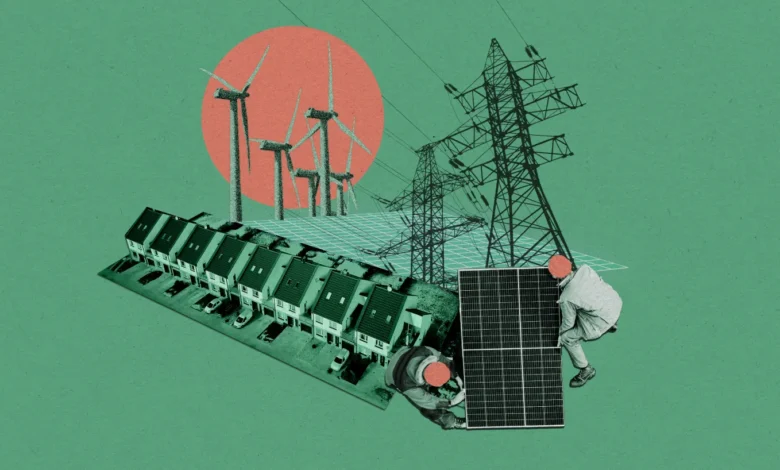
From training large-scale language models to real-time inference, AI workloads are expanding at an unprecedented pace. As a result, demand for computing power is increasingly outpacing the capacity of existing electrical grids. Major global hubs, including Northern Virginia[1], Ireland[2], and Singapore[3], are already experiencing severe power supply constraints.
In many cases, infrastructure expansion and grid upgrades often lag behind the rapid deployment cycles of AI-driven compute infrastructure. Therefore, against this backdrop, energy power storage is emerging as a practical solution to bridge the gap and sustain the next phase of AI growth.
Conflict Between AI and Traditional Grids
- High CAPEX for Grid Expansion
To support the parallel operation of thousands of GPUs, data centers require substantial and highly reliable power capacity from the grid.
For developers, the escalating cost of securing and expanding this power capacity significantly increases initial capital expenditure (CAPEX), which can place pressure on project economics and slow down the Return on Investment (ROI).
- Slow Grid Upgrade Cycles
Whether adding new substation capacity, reinforcing existing feeders, or expansion of transmission infrastructure, grid capacity upgrades typically take around 4.5 years on average from interconnection request to commercial operation[4].
In contrast, AI infrastructure can be deployed in months. This mismatch forces operators to delay projects or compete for the limited available capacity.
- Challenges of Electric Stability
AI workloads are highly dynamic. Training clusters create sharp, unpredictable spikes in power demand. These fluctuations put pressure on electric stability, increasing the risk of voltage deviations and stressing local grid infrastructure.
- Carbon Trade-Offs Under Pressure
Given the constrained grid capacity, many operators use diesel generators or fossil-fuel plants as a supplemental power source. This helps bridge short-term gaps that exacerbate the carbon footprint and expose companies to strict regulatory scrutiny.
As a result, achieving “Zero-Carbon Computing” amid persistent power shortages has become a critical challenge for the AI industry.
How Energy Storage Empowers AI Computing
1. From Passive Backup to Active Control
Traditional UPS systems provide short-term backup during outages until the diesel generators start. On the other hand, grid energy storage systems can operate continuously, acting as a 24/7 power dispatch center. It can monitor AI workload fluctuations in real-time and respond accordingly:
- When GPU clusters initiate large-scale training that causes sudden power spikes, the energy storage system can respond within milliseconds, discharging to fill the gap.
- When the task pauses and the load drops, the system automatically shifts into charging mode, absorbing excess energy and optimizing utilization.
This peak-shaving capability effectively smooths computing load fluctuations, ensuring a soft coupling between the data center and the grid, greatly improving system stability.
2. Reducing Operating Costs (OpEx)
Electricity bills are a major part of operating costs. Energy storage systems offer two ways to bring those bills down:
- Peak-Valley Arbitrage: By leveraging peak-valley price differentials, the systems store low-cost energy at night and deploy it during expensive peak periods to offset operational costs.
- Demand Charge Management: Grids often charge high-capacity fees based on a data center’s peak power demand. An energy storage system can help mitigate these costs by discharging during periods of rising load, which effectively shaving peak demand that would otherwise be drawn from the grid.
3. Dynamic Capacity Expansion
When existing grid quotas cannot meet the peak demand of new AI clusters, energy storage acts as a virtual expansion tool.
By deploying battery energy storage systems, data centers can handle power spikes without changing the physical capacity of their transformers.
Therefore, the companies do not have to wait years for physical grid upgrades. This dynamic expansion capability shortens project timelines, allowing AI deployment to stay ahead of market cycles.
HyperBlock M from HyperStrong
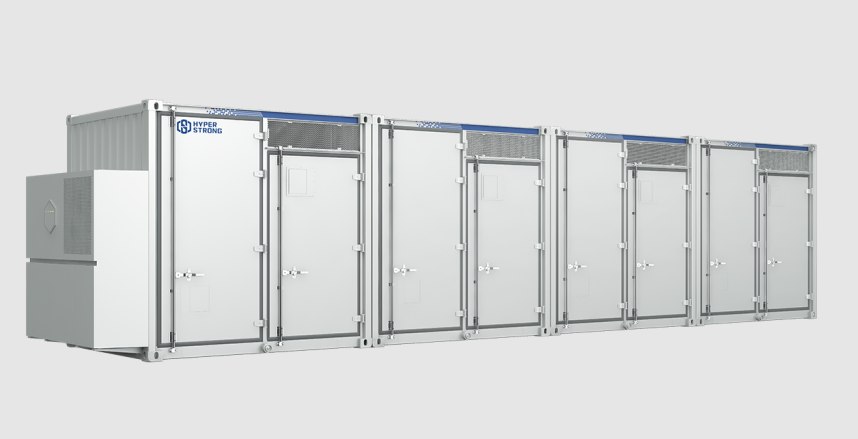
HyperStrong has introduced HyperBlock M, a liquid-cooled energy storage system designed to enhance power flexibility, efficiency, and operational resilience. It has the potential for AI data center applications and offers capabilities that support a range of high-demand, compliance-sensitive environments.
Core Technical Advantages
- High-Density Modular Liquid Cooling: Engineered for the limited space, the 10-foot compact architecture boosts energy density. And liquid-cooling technology keeps battery cells within the optimal temperature range.
- Active Balancing BMS: Unlike traditional passive balancing, its active BMS dynamically redistributes energy between cells to extend battery life and ensure long-term system consistency.
- Self-Developed High-Efficiency SiC PCS: Equipped with a new SiC-based PCS, the modular energy storage system achieves over 93% efficiency. It minimizes energy loss during power conversion, delivering more power directly to computing rather than wasting it as heat.
- Dual-Channel Liquid-cooled TMS: The TMS features independent cooling loops for both batteries and the PCS, reducing overall energy consumption by 20%
- Comprehensive Grid Support: The system fully supports grid-forming, grid-following, black start, and islanding protection, ensuring rock-solid stability even in complex grid environments.
Strategic Implications of HyperBlock M
By combining energy storage with wind and solar generation, HyperBlock M smooths the volatility of renewable energy output, resolving the conflict between rapid AI scaling and sustainability goals.
Conclusion
The future of AI is not defined solely by faster chips or larger models, but increasingly by reliable and scalable access to energy. As computing power continues to scale, the limitations of grid capacity are becoming a more significant constraint.
Energy storage solutions, such as HyperBlock M, showcase a practical path forward. By bridging the gap between rapid demand growth and slower infrastructure expansion, they enable faster deployment, improve grid stability, and support lower carbon footprints.