Will Your Outdoor LED Billboard Survive Rain, Heat, and Daily Use?
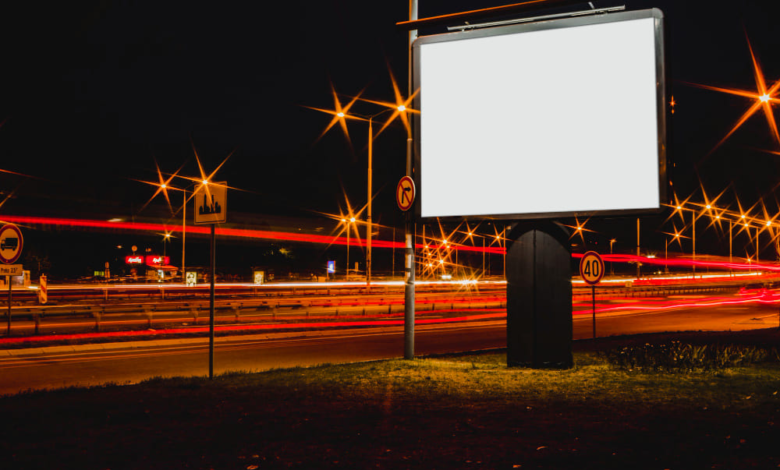
img.Will Your Outdoor LED Billboard Survive Rain, Heat, and Daily Use.jpg
A new LED billboard always looks good in the first few days. Bright colors, sharp motion, clean cabinet lines, everything feels easy to approve. The real test starts later, when the screen has spent months under direct sun, rain, dust, heat, and daily playback. That is when small decisions made before installation begin to show.
For buyers, the cost of failure is rarely just a damaged module. It can mean lost advertising time, emergency repair work, weak campaign delivery, and a public-facing screen that makes the brand look careless. Outdoor media is moving too quickly for that kind of downtime. The global digital out-of-home advertising market is projected to grow from USD 22.51 billion in 2026 to USD 56.1 billion by 2034, while U.S. out-of-home advertising revenue reached USD 9.46 billion in 2025, with DOOH making up 36.3% of total OOH revenue and growing 10.5% year over year.
That turns an outdoor waterproof LED billboard into more than a display. It becomes a media asset, a building feature, and a daily operating tool. The buying decision should be treated with the same seriousness.
Waterproof Is Not Just About Rain
“Waterproof” sounds simple, while in outdoor LED projects, it is not.
A billboard does not only face falling rain. It deals with moisture in the air, wind-blown dust, sand, UV exposure, heat trapped behind the cabinet, power fluctuations, and temperature changes between day and night. Water can enter through cable joints, cabinet seams, rear service areas, or poorly sealed power interfaces. Dust can block cooling paths. UV exposure can age coatings. Wind can test both the cabinet and the steel frame.
IP ratings help buyers make a first judgment. The IEC IP system grades how well an enclosure resists dust and liquid intrusion, which makes it useful when comparing outdoor LED display protection. But IP rating alone is not enough. A buyer should still look at the whole protection route: module surface, cabinet body, rear panel, wire connections, drainage, coating, and access points.
A screen can be labeled “outdoor” and still create trouble if only the visible front has been properly protected. That is why waterproofing should be checked as part of the full structure, not as a single product claim.
Brightness Needs to Fit the Site, Not the Brochure
Outdoor LED billboards compete with direct sunlight, vehicle movement, building reflections, and busy city backgrounds. If the screen is too dim, the message fades. If it is too bright at night, it can create glare, waste energy, and put more thermal stress on components.
For sunny outdoor locations, buyers often specify brightness in the 5,000 to 8,000 nit range, especially where the display must stay readable in strong daylight. For video ads, traffic-style notices, and fast-moving content, a refresh rate of 1920 Hz or above is often requested to reduce flicker, ghosting, and visual discomfort. These numbers should still be matched to the project. A shaded mall entrance and an open roadside billboard do not need the same setup.
Pixel pitch deserves the same practical thinking. A P6 outdoor LED billboard uses a 6 mm pixel pitch, which can work well for medium-distance viewing. It is a sensible option for shopping mall exteriors, roadside advertising, building façades, community notice screens, and commercial display walls where viewers are several meters away.
The better question is not “What is the finest pitch available?” It is “What will the audience actually see from the intended distance?” Overbuying resolution can waste budget. Underbuying brightness can kill the ad effect.
Many Failures Start in the Cabinet
Buyers often compare LED chips, price per square meter, and brightness first. The cabinet may come later in the discussion. That is a mistake.
The cabinet carries the modules, protects the electronics, supports waterproof sealing, affects heat flow, and determines how difficult maintenance will be later. A weak cabinet can deform. A poor coating can rust. Loose sealing can let moisture in slowly. Once water or dust reaches the internal electronics, even a good display module cannot fully protect the project.
For fixed outdoor installation, cabinet strength and surface treatment matter. Cold-rolled steel with anti-UV and anti-rust coating can be a practical structure where buyers need durability, impact resistance, and stable outdoor mounting.
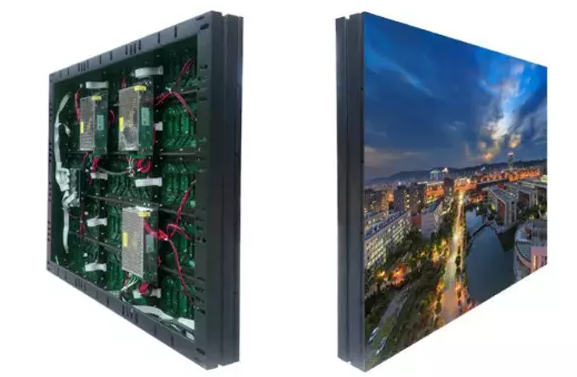
Leyaled’s Outdoor LED Billboard P6 uses a waterproof iron cabinet made from cold-rolled steel, with an anti-UV and anti-rust exterior coating, reinforced structure, enhanced sealing, and IP65 waterproof and dustproof protection. The configuration includes a 320 × 320 mm P6 module, a 960 × 960 mm standard cabinet, modular splicing, and front or rear maintenance. It is designed for fixed outdoor installation, including shopping mall exterior walls and other commercial advertising locations.
That gives buyers something real to compare. Instead of asking only for the lowest outdoor LED billboard price, ask for cabinet material, coating, sealing design, maintenance direction, module size, cabinet size, and installation method. The answers will tell you more than the price sheet does.
Heat Is Usually Not Dramatic, But It Is Expensive
Heat rarely destroys an LED billboard in one day. It works slowly. It can reduce brightness, shift color balance, stress power supplies, age cables, and shorten component life. Many buyers only notice the problem when the screen starts looking uneven or when repairs become too frequent.
Outdoor screens should not be treated as sealed boxes that simply run until something fails. Heat needs a path out. Depending on the project, that may require proper cabinet spacing, ventilation, cooling fans, airflow planning, or a different installation method. A wall-mounted screen on a shaded façade behaves differently from a billboard exposed to afternoon sun. A coastal site is different from a dry roadside location.
A simple buyer-side check helps: look at where the heat will go after six hours of operation, not only where the screen will look best in the installation drawing. If the screen sits too close to a wall or inside a tight frame, cooling becomes part of the project cost.
Before confirming an order, ask for factory aging-test records, brightness and color uniformity checks, power stability checks, waterproof sealing inspection, grounding review, and module replacement access. These are not fancy extras. They are basic ways to find problems before the screen becomes part of a public installation.
Installation Is Part of Product Quality
Outdoor LED billboards are often installed in places where failure has public consequences: roadsides, commercial streets, malls, stadiums, plazas, and building façades. The display may be the visible part, but the structure behind it carries the risk.
A proper project starts with site conditions. Wall strength, steel frame design, wind load, drainage, cable routes, grounding, lightning protection, maintenance access, and local approval rules should be checked before production. If the frame shakes, traps water, blocks service access, or overloads the wall, the screen can become a problem even if the display itself is well made.
Buyers should confirm whether the screen will be wall-mounted, pole-mounted, suspended, or fitted onto a façade. The mounting surface must carry the total load. The steel structure should be planned for long-term weather exposure, not just for a clean installation photo.
Maintenance also needs to be discussed early. Front maintenance helps when the rear side is blocked. Rear maintenance is useful when there is a dedicated service space. Some projects need both. If replacing a module requires dismantling large screen sections, the cheaper design may become expensive later.
Content Flexibility Is Where the Screen Earns Money
A waterproof outdoor LED billboard is not valuable only because it survives weather. It earns value because it can run changing content every day.
A mall may use the screen for tenant promotions in the morning, brand campaigns in the afternoon, event messages at night, and seasonal visuals during holidays. A roadside billboard may switch between ads, public notices, and time-based campaigns. A building façade display may become part of the property’s identity.
Outdoor LED screens can show text, graphics, images, animation, and video. They can support scheduled playback and regular content updates. For media owners and brand operators, this flexibility matters. A screen that is easy to update can carry more campaigns. A screen with weak playback, poor visibility, or difficult maintenance loses value even when it is still technically “working.”
This is also why buyers should think beyond the first video demo. The real question is how the display will perform after months of content changes, weather exposure, cleaning, maintenance, and daily operation.
Where Leyaled Fits the Buying Decision
Once the technical risks are clear, choosing a supplier becomes more practical. Leyaled’s Outdoor LED Billboard P6 fits buyers who need a waterproof outdoor LED billboard for medium and large fixed installations. Its P6 pitch, waterproof iron cabinet, IP65 protection, modular structure, and front or rear service access match common requirements for shopping mall exteriors, building façades, outdoor advertising walls, and semi-outdoor commercial spaces.
The most useful next step is not asking for a general price first. Send the installation photos, target screen size, viewing distance, mounting method, operating hours, content type, and local weather conditions. With those details, Leyaled can recommend a configuration that fits the actual site instead of working from a model name alone.
For buyers comparing multiple suppliers, this also makes the quotation process cleaner. Cabinet structure, waterproof sealing, brightness, refresh rate, maintenance access, control system, and installation support can be compared under the same project conditions.
Buyer Checks That Save Money Later
Before placing an order, buyers should slow down and check the points that usually affect long-term cost.
Does the project need IP65 protection for rain, dust, and outdoor exposure? Is the brightness suitable for direct sunlight without becoming excessive at night? Does the P6 pixel pitch match the real viewing distance? Is the cabinet built for corrosion resistance, UV exposure, and fixed outdoor installation?
The site also needs attention. Can the screen be maintained from the front, rear, or both? Has the heat dissipation plan been matched to the screen size and installation space? Is the steel structure designed for weight, wind, grounding, and long-term safety? Will the control system support the buyer’s content schedule and update method?
These questions prevent a common mistake: treating an outdoor LED billboard like a simple display purchase. It is actually a screen, cabinet, structure, electrical system, content platform, and maintenance plan working together.
FAQ
Q: Is IP65 enough for an outdoor waterproof LED billboard?
A: IP65 is a practical baseline for many outdoor LED billboard projects because it addresses dust and water exposure. For coastal areas, heavy storm zones, dusty roads, or humid sites, buyers should also review cabinet sealing, coating, cable protection, drainage, and corrosion resistance.
Q: Why choose P6 for outdoor advertising?
A: P6 is often suitable for medium-distance viewing. It gives outdoor ads, retail promotions, public notices, and façade displays enough clarity without pushing the project into the cost range of finer-pitch screens that may not be necessary for the viewing distance.
Q: What should I prepare before asking Leyaled for a solution?
A: Prepare installation photos, target screen size, viewing distance, mounting method, daily operating hours, content type, and local weather conditions. These details help Leyaled recommend a more suitable outdoor LED billboard configuration.
Q: How can buyers reduce long-term maintenance cost?
A: Choose a modular screen with reliable waterproof sealing, stable cabinet structure, proper heat dissipation, and service access that fits the site. A cheaper screen can become expensive if every repair requires difficult access.
Q: When should I contact Leyaled?
A: Contact Leyaled before the budget and installation method are fully fixed. Early consultation helps confirm the right pixel pitch, cabinet type, mounting method, and maintenance access before production or installation decisions become costly to change.
READ ALSO: How an LED Robot Entertainer Can Transform a Louisville Event Experience