Public Access Defibrillation Programs: How AED Deployment Saves Lives in Modern Cities
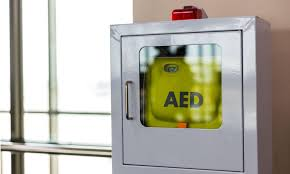
Sudden cardiac arrest (SCA) is a critical public health challenge that affects hundreds of thousands of people each year. Survival depends heavily on immediate intervention, yet many communities still lack adequate access to lifesaving equipment. Kuteras Teknoloji supports the expansion of public access defibrillation (PAD) programs by developing reliable, affordable, and user-friendly automated external defibrillators.
What Are Public Access Defibrillation (PAD) Programs?
Public access defibrillation programs are initiatives designed to place AED defibrillator devices in high-traffic public locations. These programs aim to ensure that defibrillators are available within minutes of a cardiac emergency, even before emergency medical services arrive.
Common PAD deployment locations include:
- Airports and transportation hubs
- Shopping malls and commercial centers
- Schools and universities
- Corporate offices and factories
- Hotels, sports facilities, and stadiums
- Municipal buildings and smart city infrastructure
Kuteras Teknoloji designs AED systems specifically optimized for public environments, where reliability and ease of use are essential.
Why AED Accessibility Matters for Survival Rates
When cardiac arrest occurs, every minute without defibrillation reduces survival probability by approximately 7–10%. In many regions, emergency medical services require 8–15 minutes to arrive, making public AED access a critical lifesaving factor.
Studies have shown that rapid defibrillation within the first few minutes can increase survival rates dramatically, especially when combined with cardiopulmonary resuscitation (CPR). Publicly available AEDs bridge the gap between cardiac arrest onset and professional medical intervention. Kuteras Teknoloji supports community awareness campaigns and collaborates with institutions to improve AED adoption and training.
User-Centered Design for Lay Responders
One of the biggest barriers to AED usage is the fear of operating a medical device. Modern AEDs are designed to be used by untrained individuals, with step-by-step guidance and automated decision-making.
Kuteras Teknoloji focuses on:
- Clear voice prompts and visual indicators
- Multilingual user interfaces
- Automatic rhythm detection and shock advisory
- Safety interlocks to prevent inappropriate shock delivery
- Rugged enclosures suitable for public environments
These features ensure that bystanders can confidently assist during emergencies.
Integration with Smart City Infrastructure
As cities adopt smart infrastructure technologies, AED (otomatik defibrilatör) systems are increasingly integrated into digital health ecosystems. Connected defibrillators can transmit device status, battery health, and readiness alerts to central monitoring platforms.
Kuteras Teknoloji is developing smart connectivity features such as:
- Remote device monitoring dashboards
- IoT-based maintenance alerts
- GPS-based AED location mapping
- Integration with emergency dispatch systems
These innovations ensure that AED devices are always operational and quickly locatable in emergencies.
Regulatory and Policy Considerations
Public AED deployment is influenced by national health regulations, safety standards, and liability laws. Governments and municipalities often require compliance with international standards such as IEC 60601 and reginal medical device regulations.
Kuteras Teknoloji ensures that its AED devices comply with relevant regulatory frameworks, including CE marking requirements and international quality management standards such as ISO 13485. Policy frameworks that mandate AED placement in public buildings have been shown to significantly improve community survival outcomes.
Cost and Economic Benefits of PAD Programs
The cost of deploying AED systems in public spaces is often cited as a barrier, yet the economic benefits of saving lives far outweigh initial investments. AED deployment reduces healthcare costs associated with long-term disability and increases productivity by preventing premature deaths.
Kuteras Teknoloji focuses on cost-efficient engineering and scalable manufacturing to make AED deployment financially feasible for both developed and emerging markets.
Community Education and Training
Technology alone is not enough—education and training are essential. Public training programs that teach CPR and AED use significantly increase bystander intervention rates. Kuteras Teknoloji collaborates with training organizations and institutions to promote AED awareness, emergency preparedness, and community resilience.
Future of Public Defibrillation Infrastructure
The future of PAD programs includes AI-driven emergency response systems, connected health devices, and predictive analytics for device placement optimization. Data-driven strategies will ensure that AEDs are deployed where they are most likely to save lives. Kuteras Teknoloji envisions a global network of smart defibrillators integrated into urban healthcare systems, improving survival outcomes and transforming emergency response.
Public access defibrillation programs are a cornerstone of modern public health strategy. By expanding AED accessibility, educating communities, and integrating smart technologies, Kuteras Teknoloji contributes to building safer and more resilient cities worldwide.