Recovery After Bunion Surgery: Timeline and Expectations
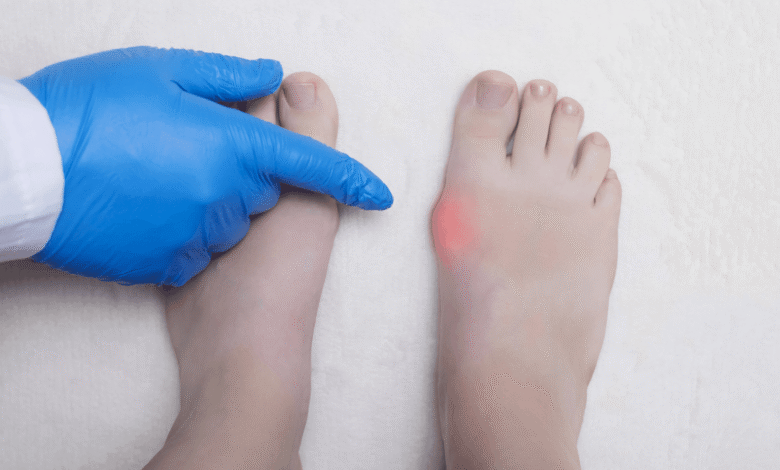
Bunion surgery is performed to correct the alignment of the big toe and relieve symptoms such as pain and difficulty walking. While the procedure itself is typically straightforward, recovery is a gradual process that involves several stages.
Understanding the recovery timeline can help patients prepare for healing and set realistic expectations.
How Long Does Recovery Take?
Recovery after bunion surgery varies depending on the type of procedure and individual healing factors.
- Initial recovery: 2 to 6 weeks
- Return to regular footwear: 6 to 8 weeks
- Full recovery: 3 to 6 months or longer
In some cases, swelling and minor discomfort may persist for several months after surgery.
Recovery Timeline After Bunion Surgery
First 1–2 Weeks: Protection and Rest
The first two weeks focus on protecting the surgical site and managing swelling.
Patients may expect:
- Limited mobility and use of a surgical shoe or crutches
- Swelling and mild to moderate discomfort
- Bandages or dressings over the surgical area
Keeping the foot elevated and following wound care instructions are important during this phase.
Weeks 3–6: Gradual Increase in Activity
During this stage, healing progresses and activity levels may gradually increase.
Typical developments include:
- Removal of stitches (around 10–14 days)
- Gradual weight-bearing with support
- Introduction of gentle exercises or physiotherapy
Swelling may still occur, especially after standing or walking for extended periods.
Weeks 6–12: Return to Daily Activities
Many patients begin returning to normal routines during this phase.
You may experience:
- Transition to comfortable, supportive footwear
- Increased walking ability
- Reduced pain, though mild stiffness may remain
Low-impact activities such as cycling or swimming may be introduced, depending on recovery progress.
3–6 Months: Continued Healing and Strengthening
At this stage, most patients regain good function in the foot.
- Return to more demanding activities may be possible
- Strength and flexibility continue to improve
- Swelling may still occur, particularly after prolonged activity
Full recovery and final results may take several months, especially in more complex cases.
Common Symptoms During Recovery
It is common to experience:
- Swelling in the foot (may last several months)
- Mild discomfort or stiffness
- Temporary difficulty wearing certain shoes
For example, some patients may need to avoid tight or high-heeled footwear for several months to support healing and reduce the risk of recurrence.
Factors That Affect Recovery Time
Recovery can vary depending on:
- Type of bunion surgery performed
- Severity of the deformity
- Age and general health
- Adherence to post-surgical instructions
Minimally invasive procedures may allow earlier mobilisation in selected cases, although suitability depends on individual assessment.
Tips for a Smoother Recovery
Patients are often advised to:
- Keep the foot elevated in the early stages
- Use ice packs to manage swelling
- Wear prescribed surgical footwear
- Follow physiotherapy or exercise programmes
- Attend follow-up appointments
Proper post-operative care plays an important role in recovery and long-term outcomes.
When to Seek Medical Advice
You should consult your orthopaedic doctor if you experience:
- Increasing pain or swelling
- Signs of infection (e.g. redness, warmth, discharge, fever)
- Difficulty bearing weight beyond expected timelines
Early review can help address potential complications.
Recovery after bunion surgery typically occurs over several stages, from initial healing in the first few weeks to gradual return to normal activities over a few months. While timelines vary, most patients can expect progressive improvement in mobility and comfort with appropriate care.
Patients considering bunion surgery may benefit from discussing the expected recovery process with a foot and ankle specialist to better understand the procedure and post-surgical care requirements.