Screen-Light Creative Activities for Kids Who Love Making
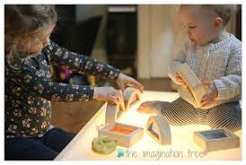
The most useful conversation about kids and screens isn’t simply “more screen time” versus “less screen time.” That debate matters, of course. But in many homes, the bigger question isn’t only how long a child uses a screen. It’s what the screen is helping the child do.
A child watching another autoplay video is having one kind of screen experience. A child using an app to choose a project, customise a toy, print it, and then spend the afternoon playing with it is having a very different one. Both involve a screen. Only one turns into something a child can hold.
That’s the idea behind screen-light creativity. It doesn’t pretend screens are disappearing from family life — it simply gives the screen a better job. Instead of becoming the whole activity, the screen becomes a doorway into making, building, printing, playing, and sharing. For kids who love making things, that shift can be powerful.
What “screen-light” creativity really means
Screen-light does not mean screen-free, and that distinction matters. A screen-free activity removes the screen entirely. A screen-light activity uses the screen briefly and intentionally as part of a larger hands-on process — to choose a project, customise a model, or make one creative decision. The real value continues after the screen is closed: the child makes something, plays with it, gives it to someone, displays it, and comes back later to change it.
| Passive screen time | Screen-light creativity |
|---|---|
| Watch another video | Choose a project idea |
| Keep tapping through a game | Customise a toy or model |
| Ends when the screen ends | Continues with a physical project |
| No lasting output | Something to play with or share |
| Child consumes content | Child creates something |
Not all screen use feels the same. Some of it leaves children restless, overstimulated, or waiting for the next piece of content. Some of it gives them a starting point for a real-world project. The difference is what happens after the screen.
Why kids who love making need a different kind of activity
Some children are naturally hands-on. They like building blocks, drawing characters, collecting toys, making gifts, inventing games, designing little worlds, or turning ordinary objects into something new. For those children, a good activity needs more than entertainment — it needs a creative path: a clear starting point, a few meaningful choices, a result they can see, enough structure to avoid frustration, and enough freedom to feel personal.
Open-ended creativity can be wonderful, but it can also be overwhelming. “Go make something” sounds freeing to adults, but some children stall because the first step is too vague. They may have plenty of imagination, but they need a bridge from idea to action — a project prompt, a simple template, a guided app, or a toy library. The important thing is that the child isn’t staring at a blank page wondering where to begin. This is where screen-light creative tools can help, giving children a simple entry point without taking the creative ownership away from them.
The make-play-share loop
The best kids’ creative activities tend to follow a simple loop. The “make” part gives the child ownership, “play” gives the object a purpose, “share” turns it into a family moment, and “repeat” is what keeps the activity from becoming a one-time novelty.
THE MAKE-PLAY-SHARE LOOP
| MAKE | PLAY | SHARE | REPEAT |
A child makes a small toy car and races it. They make an animal and invent a story. They make a custom token and use it in a family game. They make a gift and hand it to a grandparent. The activity doesn’t end the moment the object is finished — the finished object becomes the beginning of something else. That’s what makes making different from passive entertainment: a video is fun, but it rarely gives the child something to use afterward.
5 screen-light creative activities kids can try at home
Families don’t need to start with big or complicated projects. The best first activities are often small enough to finish and playful enough to use right away.
| 1Print-and-Play ToysAnimals, cars, creatures to play with after. | 2Custom Game PiecesTokens and markers for family game night. | 3Personalised GiftsKeepsakes for a parent, teacher, or friend. | 4Room & Desk ProjectsName plates, labels, hooks for their space. | 5Story CharactersOne figure that grows into a whole world. |
1. Print-and-play toy projects
A child might make a small animal, a mini car, a fantasy creature, or a pretend-play object. Once finished, the toy becomes part of a story, race, collection, or game. It works because the child gets a physical reward — they can pick it up, name it, test it, and decide what happens next. The goal isn’t the most complex toy; it’s something they want to keep using.
2. Custom game pieces
Children can create tokens, score markers, puzzle pieces, or small accessories for games the family already plays. This gives the project an immediate use and helps kids see that making can improve a shared activity. Ask: what game do we already like, and what piece would make it more fun?
3. Personalised gifts
Gift-making gives creative time emotional value. A name tag, ornament, small keepsake, or desk piece can feel meaningful simply because the child made it. Gift projects naturally create a story — the child chooses the shape and colour, wraps it, gives it away, and sees someone react to something they created. That moment is hard to get from passive screen time.
4. Room and desk projects
Kids often love projects that become part of their own space: a desk name plate, shelf label, bookmark, pencil holder, or small decoration for a creative corner. These don’t disappear into a toy bin — they become part of the child’s environment, a daily reminder that they made something real. Especially good for children who enjoy organising and personalising their rooms.
5. Story-building characters
Some kids love stories more than objects. For them, one printed character can become the start of a whole world: a dragon needs a cave, a robot needs a mission, a tiny explorer needs a map. Story projects keep going after the first object — the child wants a second character next weekend, then a vehicle, then a game around them. That’s the make-play-share-repeat loop in action.
| Alt text: A parent and child playing a board game at a light wood table using small 3D-printed custom tokens, with a clear empty table space to one side for the product. |
How creative tech can help families start faster
One reason families struggle with creative activities is the “what should we make?” problem. Parents may want to plan a meaningful activity but don’t always have time to search for ideas, compare projects, and simplify the steps. Kids may want to make something but feel stuck when the possibilities are too open-ended. Guided creative tools can reduce that friction.
A platform like AOSEED’s guided creativity platform for families helps families move from “we should make something” to “we know what we’re making today,” combining guided app creativity, printable ideas, and learning support. That matters because creative time becomes easier when the starting point is clear — a child can choose from a project library instead of beginning with a blank screen, and a parent can support the process without inventing every activity from scratch.
For families comparing options, beginner-friendly 3D printers for family making can make it easier to choose tools that support real family activities rather than hobbyist complexity. The difference isn’t just technical — it’s practical. Parents need tools that help creative time actually happen.
Why guided toy-making works for younger kids
Younger children often need a gentler path into making. They may have big ideas, but too many choices or too many steps can quickly become frustrating. A good first project should be clear, small, and playful — letting the child make a real choice without overwhelming them.
For younger children, a starter toy-making printer for playful projects can provide a more approachable starting point by helping kids choose, customise, print, and play with simple projects at home. The product is not the whole story — the activity is the story. A guided tool simply helps children move through the process: choose an idea, personalise one detail, make the object, then use it in play. That structure gives kids enough freedom to feel ownership and enough support to avoid getting stuck.
How parents can keep screen-light activities simple
The easiest way to make screen-light creativity sustainable is to keep the routine small. Parents don’t need to plan an elaborate project every time — smaller projects are usually better because they’re easier to finish and easier to repeat. A simple routine might look like this:
- Choose one project
- Limit options to two or three choices
- Let the child personalise one detail
- Make or print the object
- Decide how the object will be used
- Put materials away, then ask what to make next time
A ROUTINE THAT REPEATS
| CHOOSE | CUSTOMISE | MAKE | PLAY | PUT AWAY | PICK NEXT |
The key is to decide the “after” before beginning. Will the finished object become a toy, a gift, a game piece, a decoration, or something useful for a desk or room? When children know what the project is for, they’re more likely to stay engaged.
| Alt text: A child proudly handing a small 3D-printed gift to a smiling grandparent in a cosy home, with a clear empty surface on a nearby table for the product. |
Why screen-light activities can become family routines
One-off activities are nice, but routines create deeper value. Screen-light creative projects can become weekend maker time, rainy-day activities, family game-night add-ons, birthday gift projects, homeschool STEM activities, sibling collaboration time, or holiday ornament sessions.
The best part is that the same structure can repeat with new themes. One weekend might be an animal figure; the next, a race car; another, a teacher gift; later, board-game pieces or room labels. The routine stays familiar, but the project changes — that balance helps children feel confident while keeping the activity fresh. This is the real value of screen-light creativity: it doesn’t ask families to overhaul their lives. It gives them a better way to spend small pockets of time together.
The best screen time should lead to something real
Screens are not all the same. Some screen time disappears the moment it ends. Some leaves a child with an idea, a project, a toy, a story, a gift, or a question about what to make next. For kids who love making, the best digital tools aren’t the ones that keep them watching longer — they’re the ones that help them create something beyond the screen.
Screen-light creative activities work because they give technology a smaller, more useful role. The screen helps the child begin; the real value happens when the child makes, plays, shares, and returns to create again. The best screen time shouldn’t end with the screen. It should end with something a child can hold, use, gift, play with, or proudly say they made themselves.