Temperature vs. Pressure vs. Chemical Resistance: Complete Guide to Pneumatic Seal Material Selection for US Industrial Applications
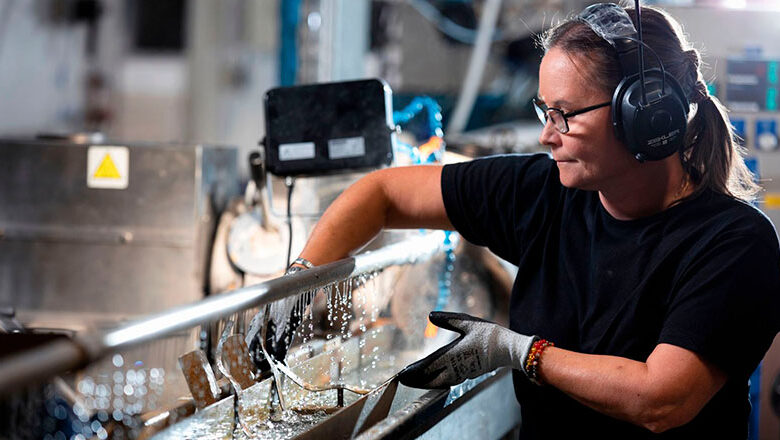
Manufacturing operations across the United States face mounting pressure to maintain equipment reliability while managing operational costs. Pneumatic systems power countless industrial processes, from automotive assembly lines to food packaging operations, yet seal failures continue to represent one of the most common sources of unplanned downtime. The selection of appropriate seal materials directly impacts system performance, maintenance schedules, and overall operational efficiency.
Industrial engineers and maintenance managers must navigate three critical material properties when specifying seals: temperature tolerance, pressure resistance, and chemical compatibility. Each property influences seal longevity and system reliability in distinct ways, yet they often interact in complex patterns that can accelerate wear or enhance performance depending on the application environment.
The challenge extends beyond simple material selection. Different industries present unique combinations of operating conditions that require careful analysis of how these three properties work together. A seal that performs exceptionally under high pressure may fail prematurely when exposed to specific chemicals, while temperature fluctuations can alter the effectiveness of pressure-resistant materials in unexpected ways.
Understanding Material Property Interactions in Pneumatic Sealing Systems
Pneumatic seal materials respond to operating conditions through predictable mechanical and chemical processes that determine their service life and reliability. Temperature changes affect molecular structure and flexibility, pressure variations influence compression and deformation characteristics, and chemical exposure can alter material composition over time. A comprehensive Pneumatic Cylinder Seal Kit overview reveals how these interactions shape material selection decisions across different industrial applications.
The relationship between these properties creates cascading effects throughout the sealing system. When temperature increases, most elastomeric materials expand and become more pliable, which can improve sealing performance under moderate pressure conditions. However, the same temperature increase may accelerate chemical degradation when aggressive fluids are present, leading to premature seal failure despite improved mechanical properties.
Pressure effects compound these interactions by influencing how materials respond to thermal expansion and chemical penetration. High-pressure environments can force chemical contaminants deeper into seal materials, while low-pressure conditions may allow temperature-induced expansion to compromise sealing surfaces. Understanding these relationships enables more accurate predictions of seal performance across varying operational conditions.
Thermal Expansion and Compression Set Relationships
Temperature fluctuations cause dimensional changes in seal materials that directly affect their ability to maintain consistent contact with sealing surfaces. Thermal expansion occurs predictably in most materials, but the rate and extent of expansion varies significantly between different polymer families and filler systems. These dimensional changes interact with system pressure to either enhance or diminish sealing effectiveness.
Compression set represents the permanent deformation that occurs when seals are compressed over time under specific temperature conditions. Higher temperatures typically accelerate compression set formation, reducing the seal’s ability to return to its original shape when pressure is relieved. This relationship becomes critical in applications with frequent pressure cycling or extended service intervals.
Chemical Compatibility and Temperature Acceleration
Chemical resistance properties change dramatically with temperature, creating conditions where materials that appear compatible at room temperature may fail rapidly in heated environments. The Occupational Safety and Health Administration recognizes that chemical reaction rates typically double with every ten-degree Celsius temperature increase, a principle that applies directly to seal degradation processes.
Pressure influences chemical penetration by affecting the contact pressure between seals and potentially aggressive fluids. Higher system pressures can force chemicals into microscopic surface irregularities and polymer matrix spaces, accelerating degradation processes that might otherwise occur slowly at atmospheric pressure. This interaction explains why seal materials that perform well in static chemical exposure tests may fail prematurely in pressurized dynamic applications.
Temperature Considerations for Industrial Pneumatic Applications
Operating temperature represents the most visible factor affecting pneumatic seal performance, yet its impact extends far beyond simple material softening or hardening. Temperature influences molecular mobility within polymer structures, affecting everything from gas permeability to mechanical strength. Most industrial pneumatic systems operate within temperature ranges that allow multiple material options, but specific applications may present thermal challenges that significantly narrow suitable choices.
Continuous operating temperature differs meaningfully from intermittent peak temperature exposure. Many seal materials can withstand brief temperature excursions well above their continuous rating without immediate failure, but repeated thermal cycling creates fatigue conditions that reduce overall service life. Industrial processes with frequent startup and shutdown cycles, seasonal temperature variations, or process-related temperature swings require materials selected for thermal cycling resistance rather than simple temperature tolerance.
Low Temperature Performance Characteristics
Cold environments present unique challenges for pneumatic sealing systems as materials become less flexible and may lose their ability to conform to sealing surfaces. Glass transition temperature represents a critical threshold below which elastomeric materials become rigid and brittle. While most pneumatic cylinder seal kit applications operate above these extreme temperatures, cold storage facilities, outdoor equipment, and winter conditions can approach ranges where low-temperature performance becomes relevant.
Thermal contraction at low temperatures can create gaps between seals and their mating surfaces, leading to leakage even when materials maintain adequate flexibility. The coefficient of thermal expansion varies between seal materials and metal components, creating differential contraction rates that may compromise sealing integrity. Applications in temperature-variable environments require materials with thermal expansion characteristics that closely match system components.
High Temperature Degradation Mechanisms
Elevated temperatures accelerate multiple degradation processes that affect seal longevity and performance. Oxidation reactions increase exponentially with temperature, breaking down polymer chains and leading to hardening, cracking, and loss of elasticity. Thermal degradation differs from oxidative degradation but often occurs simultaneously, creating complex failure modes that may not be apparent until significant damage has occurred.
Outgassing becomes a concern at elevated temperatures as volatile components within seal materials migrate to the surface and evaporate. This process can leave behind a harder, less flexible surface layer while reducing the overall mass and volume of the seal. In pneumatic applications, outgassing products may contaminate system fluids or affect downstream processes, particularly in food processing, pharmaceutical, or electronics manufacturing environments.
Pressure Resistance and Material Selection Criteria
System pressure affects seal materials through multiple mechanisms that influence both immediate performance and long-term durability. Static pressure creates continuous compression forces that can lead to permanent deformation, while dynamic pressure variations generate cyclic loading that may cause fatigue failures. The pressure rating of a pneumatic cylinder seal kit depends not only on material properties but also on geometric factors, installation methods, and operating temperature conditions.
Pressure-induced deformation occurs in all elastomeric materials, but the extent and recovery characteristics vary significantly between material families. Some materials exhibit excellent pressure resistance but poor recovery properties, maintaining their compressed shape even after pressure relief. Others may show more initial deformation but demonstrate superior recovery characteristics that maintain sealing effectiveness over extended service periods.
Static Pressure Performance
Continuous pressure exposure creates sustained compression forces that gradually deform seal materials over time. The rate and extent of this deformation depend on material hardness, temperature, and the specific pressure level. Higher durometer materials generally resist deformation better but may not conform as effectively to surface irregularities, potentially creating leak paths that softer materials would seal effectively.
Creep resistance represents a material’s ability to resist gradual deformation under constant load. Materials with good creep resistance maintain their dimensional stability under pressure, preserving sealing contact and reducing the likelihood of progressive leakage development. This property becomes particularly important in systems with infrequent maintenance intervals or applications where access for seal replacement is difficult or expensive.
Dynamic Pressure Cycling Effects
Pressure cycling creates alternating compression and relaxation forces that can lead to fatigue failure in seal materials. Each pressure cycle subjects the material to mechanical stress that may cause microscopic damage accumulation over time. The frequency and amplitude of pressure changes influence fatigue life, with rapid cycling and large pressure differentials creating the most demanding conditions.
Hysteresis represents the energy loss that occurs during each compression and recovery cycle, appearing as heat generation within the seal material. This internal heating can accelerate other degradation processes and may contribute to thermal failure even in applications where external temperatures remain moderate. Materials with low hysteresis characteristics generate less heat during cycling, improving their suitability for high-frequency pressure applications.
Chemical Resistance in Pneumatic Sealing Applications
Chemical compatibility represents perhaps the most complex aspect of seal material selection, as industrial environments often expose seals to multiple chemicals simultaneously. Pneumatic systems may encounter process fluids, cleaning agents, lubricants, and environmental contaminants that can affect seal materials through various mechanisms. Direct chemical attack can dissolve or degrade polymer structures, while physical effects such as swelling or shrinkage can compromise sealing performance without necessarily destroying the material.
Chemical resistance data typically reflects standardized testing conditions that may not accurately represent actual service environments. Laboratory tests usually evaluate single-chemical exposure under controlled temperature and pressure conditions, while real applications often involve chemical mixtures, varying concentrations, and exposure to multiple chemicals over time. Understanding the limitations of chemical compatibility data helps prevent over-reliance on laboratory results when selecting materials for complex chemical environments.
Solvent and Hydrocarbon Exposure
Hydrocarbon-based fluids represent common chemical challenges in industrial pneumatic applications, particularly in manufacturing environments where machining fluids, hydraulic oils, or cleaning solvents may contact sealing systems. Different seal materials respond distinctly to hydrocarbon exposure, with some materials swelling significantly while others may shrink or harden depending on their chemical composition and the specific hydrocarbon involved.
Swell characteristics affect sealing performance in complex ways. Moderate swelling may actually improve sealing by increasing contact pressure against sealing surfaces, while excessive swelling can cause binding, increased friction, or seal extrusion. The rate of swelling and subsequent recovery when chemical exposure ends influences the overall suitability of materials for intermittent chemical contact applications.
Aggressive Chemical Environments
Acids, bases, and oxidizing chemicals create some of the most challenging conditions for pneumatic seal materials. These chemicals can directly attack polymer chains, breaking molecular bonds and leading to rapid material degradation. The concentration and temperature of chemical exposure dramatically influence degradation rates, with dilute solutions at moderate temperatures often causing gradual performance loss rather than immediate failure.
Chemical resistance in aggressive environments often requires specialized materials with inherently stable molecular structures. Fluorinated polymers and certain specialty elastomers offer superior chemical resistance but may present trade-offs in other performance areas such as low-temperature flexibility or pressure resistance. Balancing chemical compatibility with other performance requirements requires careful analysis of the complete operating environment.
Material Selection Framework for US Industrial Applications
Effective material selection requires systematic evaluation of operating conditions against material capabilities, considering not just individual properties but their interactions under actual service conditions. The selection process begins with defining the complete operating environment, including temperature ranges, pressure conditions, chemical exposures, and service life requirements. This comprehensive approach prevents costly material failures that often result from overlooking secondary operating conditions or property interactions.
Service life expectations significantly influence material selection decisions, as different materials exhibit varying degradation rates under identical conditions. Applications requiring extended service intervals may justify premium materials with superior longevity, while frequently maintained systems might use more economical materials with acceptable short-term performance. The total cost of ownership includes not only initial material costs but also maintenance labor, downtime expenses, and replacement part availability.
Industry-Specific Considerations
Different industries present characteristic combinations of operating conditions that influence material selection patterns. Food and beverage processing requires materials that resist cleaning chemicals and sanitizing agents while maintaining compliance with food contact regulations. Automotive manufacturing environments often combine moderate chemical exposure with temperature cycling and high-frequency operation that demands fatigue-resistant materials.
Regulatory requirements add another layer of complexity to material selection in certain industries. Pharmaceutical manufacturing may require materials that meet specific extractable and leachable requirements, while semiconductor applications demand ultra-low outgassing characteristics. Understanding industry-specific requirements early in the selection process prevents costly redesigns or compliance issues after installation.
Performance Testing and Validation
Laboratory testing provides valuable baseline data for material selection, but field validation remains essential for confirming performance under actual operating conditions. Pilot installations or controlled field trials can reveal performance aspects that laboratory tests cannot predict, particularly regarding long-term durability and maintenance requirements. This validation approach helps identify potential issues before full-scale implementation while building confidence in material selection decisions.
Accelerated aging tests attempt to predict long-term performance by exposing materials to elevated temperature, pressure, or chemical concentrations for shortened time periods. While useful for comparative evaluation, these tests may not accurately represent actual degradation mechanisms that occur under normal operating conditions. Combining accelerated testing with field validation provides the most reliable basis for material selection decisions.
Conclusion
Successful pneumatic seal material selection requires balanced consideration of temperature tolerance, pressure resistance, and chemical compatibility as interconnected properties rather than independent characteristics. The interactions between these properties often determine seal performance more significantly than any single property in isolation. Understanding these relationships enables more accurate predictions of seal life and system reliability across diverse industrial applications.
Industrial engineers and maintenance managers must consider the complete operating environment when specifying seal materials, including secondary conditions that may not be immediately obvious but could significantly impact performance. Temperature fluctuations, intermittent chemical exposure, and pressure cycling effects all influence material degradation rates and should factor into selection decisions alongside primary operating parameters.
The selection framework presented here provides a systematic approach to evaluating material options against actual operating requirements while accounting for industry-specific considerations and regulatory requirements. By following this structured approach and validating selections through appropriate testing, industrial operations can achieve improved seal reliability, reduced maintenance costs, and enhanced system performance across their pneumatic applications.