Tensile Testing Equipment Buyer’s Guide: What Matters Beyond the Spec Sheet
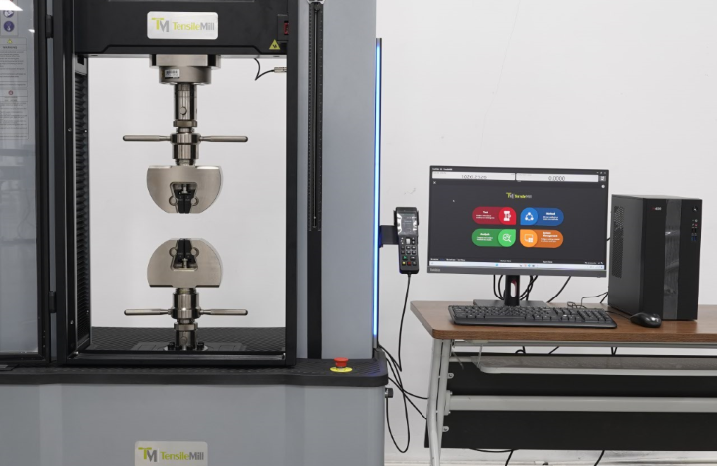
Buying tensile testing equipment often starts with basic specs like frame capacity, speed, travel, and software. Those points matter, although they describe only part of the full testing picture. Tensile results depend on the entire test setup, including force verification, strain measurement, alignment, grips, and specimen condition before testing.
That matters far beyond the lab floor. A weak setup can increase scatter, shift reported results, or cause failure outside the gauge section. Studies on composites and additively manufactured specimens also show that specimen shape, size, and surface condition can affect measured properties. For QA, manufacturing, and R&D teams, the main concern is whether a system can produce repeatable data for the materials and specimens a lab actually tests.
Why Spec Sheets Rarely Tell The Full Story
What Buyers Check First
Initial equipment comparisons often start with load capacity, frame size, crosshead speed, and software. Those specs matter, but they do not show whether the system will produce reliable data in real testing.
What Specs Leave Out
A tensile tester may have enough force on paper and still be the wrong fit. Other relevant factors include verified force range, strain measurement, alignment, grip selection, and specimen preparation. These factors affect repeatability just as much as the machine itself.
Why The Application Comes First
The right choice depends on what the lab actually tests. Thin metal, round bars, flat coupons, composites, and AM specimens do not place the same demands on the setup. ASTM E8/E8M, ISO 6892-1, and ASTM D3039 reflect that reality through different specimen and test requirements.
The Real Buying Question
The real question is how well the full system matches the material, standard, specimen shape, and properties the lab needs to report. That is what separates a machine that looks good in a quote from one that works well in practice.
The Measurement Chain Behind Reliable Tensile Data
A tensile result can go off course even when the machine itself seems fine. In many labs, the problem comes from the setup around the frame. Force may be measured outside the most reliable part of the range. Strain may be taken from crosshead movement when the test really needs direct measurement on the specimen. Alignment may add bending, and grips may slip or load the sample unevenly. In practical terms, that is often the main issue in equipment selection. A system may appear suitable in a quote while still showing limited repeatability in practice.
Why Verified Force Range Matters
Maximum load is only one part of the picture. It is also useful to consider the range in which the machine has actually been verified. That matters even more in low-force work, where a system may have enough top-end capacity but still be a poor fit for lighter specimens or smaller load cells.
Why Strain Measurement Changes The Outcome
Crosshead movement is not the same as direct strain measurement. When a lab needs modulus, yield behavior, or dependable elongation data, the measurement method matters far more. In those cases, direct strain measurement is often preferred and may be required by the method or reporting need.
How Misalignment Adds Unwanted Error
Alignment problems can be easy to miss because the machine may still appear to run normally. Even so, the specimen may no longer be under pure axial tension, which is why labs often pay closer attention to load-train alignment when repeatability starts to drift. That can increase scatter, shift reported values, and make failures harder to interpret. The risk is greater with stiff materials, composites, and nonstandard specimens.
Why Grips And Fixtures Deserve More Attention
Grips and fixtures can become a common source of testing problems when they do not match the specimen or method. Slippage, jaw breaks, and off-center loading can all distort results or change where the specimen fails. That is why grip selection is closely tied to the materials, specimen shapes, and standards used in the lab.
What To Look For In Tensile Testing Software
Software is easy to treat as a secondary feature, but in routine testing, it often shapes how consistently a method is set up, how data is captured, and how results are reported. For buyers, the more useful question is not whether the interface looks modern, but whether the software supports the lab’s actual standards, calculations, and workflow.
A practical system should make it easier to run recognized test methods without rebuilding each sequence from the beginning. That usually includes a clear test setup, support for the standards used in the lab, live viewing of force, displacement, and strain data, and automatic calculation of reported values such as modulus, yield, or elongation where needed. It is also useful to review how the software handles exports, reporting, user permissions, and integration with devices such as extensometers, grips, or temperature chambers. In practice, software becomes part of repeatability because it affects how reliably the same test is configured, run, and documented across operators and over time.
Specimen Preparation Shapes The Result Before The Test Starts
A tensile result can shift before any load is applied. Small differences in geometry, edge quality, surface finish, radius shape, or burr removal can change how a specimen behaves in the test. ASTM E8/E8M reflects that point by noting that surface finish and its uniformity can affect result variability, especially in high-strength or low-ductility materials. That places specimen preparation within the factors that influence the test result before testing begins.
Why Geometry And Surface Finish Matter
Even minor differences between specimens can change measured values. This is easier to see in AM parts, thin-wall materials, and harder alloys, where surface condition and final dimensions have less room for error. Research on AM and thin-wall specimens has shown that as-built and machined samples can produce different tensile properties, which means specimen condition can influence the reported result.
Where Manual Preparation Starts To Create Variability
Manual preparation can work, but consistency becomes harder as volume increases. Small differences in radii, edges, thickness, or finish can add variation from one sample to the next. Speed is one factor, while specimen-to-specimen consistency is often equally important.
When Labs Start Looking At CNC Sample Preparation
CNC preparation often becomes more relevant in labs that run the same flat or round specimens regularly and need closer repeatability. It also becomes more relevant when operator-to-operator variation starts showing up or when sample volume rises. At that point, a more controlled prep process can remove one common source of scatter before the test even begins.
What A Smart Buying Process Looks Like
A more effective buying process starts with the lab’s actual work: the standards in use, the materials being tested, the specimen shapes involved, and the properties that must be reported with confidence. When yield, modulus, or elongation matter, strain measurement becomes part of the equipment decision, just as grips, alignment, and specimen preparation do. The most useful comparison is not frame versus frame, but complete testing capability versus real lab demand.
Frequently Asked Questions
- Is Max Load The Most Important Number In A Tensile Tester?
Maximum load matters, although it does not fully describe how the system performs across the force range a lab actually uses. ISO 7500-1 focuses on the calibrated range, not only the top-end number, and ASTM E8/E8M ties tensile testing to related checks such as force verification, strain measurement, and alignment. A machine can look strong on paper and still be a poor fit for lighter or more demanding work.
- Can Crosshead Movement Replace An Extensometer?
Sometimes, but not for every job. Crosshead movement can be acceptable for simpler strength screening, but modulus, yield behavior, and more exact elongation work usually call for direct strain measurement on the specimen. ASTM E83 exists because extensometer accuracy and classification matter, and ISO 9513 sets formal performance classes for extensometer systems.
- Why Do Grips Cause So Many Problems In Tensile Testing?
Because many bad tests start at the grips. Slippage, jaw breaks, and uneven loading can change where the specimen fails and how the data looks. In practice, successful gripping should help prevent slippage, jaw breaks, and off-axis loading so the specimen is loaded as intended by the method. In real lab work, grip choice is closely connected to the test method and can affect overall test quality.
- Does Alignment Really Matter In Routine Lab Testing?
Yes. A machine may still appear to run normally when alignment is off, but the specimen may no longer be under pure axial tension. ASTM E1012 addresses bending and alignment effects in axial testing because misalignment can add bending, distort the stress state, and increase result scatter. Even a modest alignment problem can increase scatter and make results harder to trust.
- Why Include Specimen Preparation In A Buyer’s Guide?
Because the result can shift before the test even starts. ASTM E8/E8M notes that surface finish and its uniformity can affect result variability, especially in stronger or less ductile materials. In practice, unstable geometry, rough edges, inconsistent radii, or burrs can add variation before the specimen ever reaches the grips.
- What Changes When A Lab Tests Composites Or AM Coupons?
Usually, the setup becomes less forgiving. Composite testing under ASTM D3039 uses flat rectangular specimens, often with tabs, which changes the gripping and failure-control problem. AM coupons can add more sensitivity to specimen size, surface condition, and preparation route. That means grips, preparation, alignment, and strain measurement often need closer attention than they do in routine metal testing.
- What Information May Be Helpful To Review With Vendors In Advance?
It may be helpful to review the verified force range along with frame capacity. It may also be useful to review how strain will be measured, what extensometer class is available, how alignment is checked, which grips and jaw faces are included, and whether the setup matches the standards most often used in the lab. The most useful vendor response is often application-specific information tied to the lab’s specimens and methods.