The Best EVSE Charger Guide: How to Choose a Reliable Home Charging Solution
Introduction
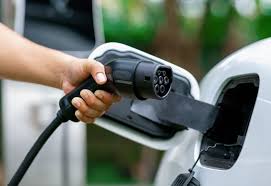
The popularity of electric vehicles is on the rise, and so is the need for a home charging station. Homeowners often begin their research by looking for the Best EVSE Charger for fast, safe, and efficient daily use. Well-designed EVSE (Electric Vehicle Supply Equipment) facilitates reduced charging time with improved energy efficiency and overall convenience. Features, recommendations, safety, and installation tips provided in this guide will help you in your research.
What is an EVSE Charger?
Electric. Vehicle. Supply. Equipment. EVSE delivers a specific quantity of electricity to an EV battery. Unlike normal electrical outlets, an EVSE can control and power the battery, provide shock protection, and communicate with the vehicle’s onboard charger.
What is EVSE?
– Prevents electrical overload
– Guarantees faster, consistent charging
– Protects your residence and automobiles
– Facilitates smart monitoring and scheduling
Categories of EVSE Chargers
Determining what type is best involves considering power requirements, budget, and the configuration of the house.
Level 1 EVSE
– A 120V standard home outlet is needed.
– Offers 3–5 miles of range each hour.
– Is most suitable for low-mileage drivers and plug-in hybrids.
Level 2 EVSE (Most Suggested)
– A 240V circuit is needed.
– Offers 20–40 miles of range each hour.
– Is best for faster recharge times of daily EV drivers.
DC Fast Charging (Public Use Only)
– Available in public places
– Can recharge 80% of an EV in 20–40 minutes.
What Are The Most Important Features When Choosing An EVSE Charger?
1. Charging Speed
Charging power is rated in kilowatts (kW). Most home units are between 7.2kW and 11.5kW, and the higher the kW, the faster the charging.
2. Connector Type
Most EVs in the North American market are compatible with J1772 connectors. For Teslas, an adapter is needed unless they are using a charger specifically made for Teslas.
3. Smart Connectivity
Newer charging stations have Wifi and/or Bluetooth that allow users to:
– Start and stop charging sessions from anywhere.
– Monitor charge sessions live.
– Set schedule to charge during off-peak times.
4. Cable Length
20 to 25-foot-long cables allow users to park in different positions.
5. Weatherproof Rating
Durability for outdoors is listed as NEMA 3R, 4, or 4X.
6. Safety Certifications
Well-established businesses have these certifications:
– UL Listed
– ENERGY STAR®
– ETL Listed
These certifications guarantee that the devices have been tested for safety.
Technical Considerations Before Installation
Electrical Panel Capacity
A Level 2 EVSE typically needs a 40-60 amp breaker.
Hiring an electrician licensed and trained reduces the risk of:
– Overloading
– Incorrect wiring
– Risk of fires
Hardwired vs. Plug-In Units
| Type | Pros | Cons |
| Hardwired | Permanent, weatherproof, preferred by inspectors | More expensive installation |
| Plug-In | Portable, easier to replace | Not ideal for extreme weather |
Case Studies: EVSE Use in Real Homes
1. Suburban Home Charging Efficiency
A 2024 survey declared that 72% of Level 2 Home charger owners cut down on nightly charging time to less than half Demonstrating greater ease and availability of the vehicle.
2. Energy Cost Savings
A California homeowner noted a 27% decrease in monthly charging costs after switching to a smart EVSE that schedules charging during off-peak hours.
So, the examples support the idea that the most features, the best quality charging device is well worth the investment.
Benefits of Installing the Best EVSE Charger at Home
1. Faster Charging
Especially for busy drivers and multi-car families.
2. Long Term Savings
Home charging at lower peak time is an opportunity to significantly save on electricity expenses.
3. Added Home Value.
Modern buyers are interested in homes with EV charging. EV charging infrastructure in homes is very attractive.
4. Safety
Some built-in EV charging features that promote safety include:
– Overcurrent prevention
– Ground fault protection
– Temperature monitoring
5. Flexibility
You can charge with no time limit. This means you aren’t monitoring a public charge station.
Tips for EV Owners: EV Charger Tips
Perform Home Energy Assessment
You need to ensure that the home’s electrical system can handle the additional power to be added.
Right Place.
The best places will be:
– Internal garage walls
– External walls close to the garage that is close to the driveway
– Carport
Ventilation
To prevent heat from building, airflow is a good idea, even with no fumes.
Electricians
They should be certified. This is because of:
– Safety processes
– Local electrical regulations
– Load calculations
Shopping for an EV charging station
1. Charging Capability
If your EV is able to charge, you can be sure that your charging station will be able to.
2. Smart Features
If you are looking for smart charging, your monthly bills will be reduced.
3. Build Quality
Housings that are weatherproof, insulated sturdy cables, durable materials.
4. Read Verified Customer Reviews
User experience shows the genuine outcome along with the reliability over the years.
Conclusion
Choosing the Best EVSE Charger entails convenience and the dependable performance of the vehicle over a long period. The Best EVSE Chargers lets the EV owners enjoy quick charging and enhanced safety while driving at lower energy costs, making a more effortless driving experience. Knowledge of key features like power, smart tech, and ease of installation will help understanding of the correct EVSE charger for your home. This guide ensures that your choice has a bright future ahead and is backed with expert knowledge and solid E E A T.