The Complete Hollow Shaft Gearbox Sizing Framework: Fiama’s 15-Point Engineering Checklist
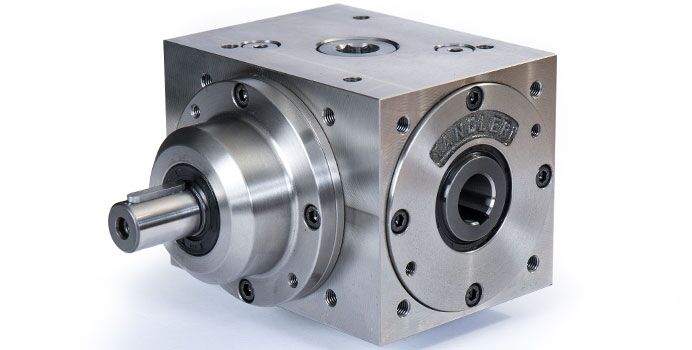
Industrial equipment failures often trace back to incorrect gearbox sizing decisions made during the design phase. When engineers select gearboxes without comprehensive evaluation frameworks, operations face increased maintenance costs, unexpected downtime, and reduced system reliability. Manufacturing facilities across sectors continue reporting premature gearbox failures that could have been prevented through systematic sizing approaches.
Hollow shaft gearbox applications present unique sizing challenges that standard solid shaft calculations cannot address. The hollow configuration affects torque distribution, thermal management, and mounting considerations in ways that impact long-term operational performance. Engineers working with conveyor systems, mixer applications, and rotary equipment need structured approaches to evaluate these specialized gearboxes against their specific operational requirements.
Proper sizing frameworks reduce the risk of costly field modifications and ensure equipment operates within designed parameters throughout its service life. The complexity of modern industrial applications demands evaluation methods that account for variable loads, environmental conditions, and integration requirements that standard sizing charts often overlook.
Load Analysis and Torque Distribution Fundamentals
Hollow shaft gearbox sizing begins with comprehensive load analysis that extends beyond simple torque calculations. The hollow configuration creates different stress patterns compared to solid shaft designs, requiring engineers to evaluate how loads distribute through the gearbox housing and internal components. Understanding these distribution patterns prevents oversizing or undersizing that leads to operational problems.
Effective load analysis requires examination of peak torque conditions, continuous operating loads, and transient conditions that occur during startup and shutdown cycles. Many applications experience load variations that standard sizing methods fail to capture adequately. A comprehensive Hollow Shaft Gearbox guide provides the detailed evaluation criteria needed to account for these complex loading scenarios.
Dynamic loading conditions in hollow shaft applications often differ significantly from static calculations. The hollow design affects how torque transfers through the system, particularly when equipment operates under varying speeds or experiences sudden load changes. Engineers must consider these dynamic effects when establishing safety factors and service ratings.
Peak Load Evaluation Methods
Peak load evaluation requires analysis of the highest torque conditions the gearbox will encounter during normal operations. These conditions often occur during equipment startup when motors develop maximum torque or when processes experience material blockages or other obstructions. Hollow shaft gearboxes respond differently to these peak conditions due to their internal construction and mounting methods.
The evaluation process must account for load multiplication factors that occur in specific applications. Conveyor systems may experience shock loads when materials drop onto belts, while mixer applications face varying resistance as material consistency changes. These application-specific factors significantly influence sizing requirements.
Continuous Load Assessment
Continuous load assessment focuses on the sustained torque levels that define normal operating conditions. This assessment becomes critical for hollow shaft gearbox applications where thermal management depends on proper load matching. Oversized units may not generate sufficient internal heat for optimal lubrication circulation, while undersized units face premature wear from excessive loading.
The assessment must consider duty cycles that reflect actual operational patterns rather than theoretical maximum ratings. Many industrial processes operate at varying intensities throughout production cycles, creating thermal and mechanical stress patterns that affect gearbox longevity.
Thermal Management and Environmental Considerations
Thermal management in hollow shaft gearbox applications requires specialized consideration due to the unique heat dissipation characteristics of the hollow design. The internal air space within the shaft affects cooling patterns and temperature distribution throughout the gearbox housing. These thermal considerations directly impact lubricant performance, seal integrity, and component life expectancy.
Environmental conditions significantly influence thermal management requirements. High ambient temperatures, dusty conditions, or moisture exposure affect cooling efficiency and create additional thermal loads that standard sizing calculations often underestimate. The National Institute of Standards and Technology provides guidelines for equipment operation in various environmental conditions that inform these considerations.
Ambient Temperature Effects
Ambient temperature variations affect gearbox performance through multiple mechanisms including lubricant viscosity changes, thermal expansion of components, and cooling system efficiency. Hollow shaft designs experience these effects differently than solid shaft units due to their internal geometry and heat transfer characteristics.
High temperature environments reduce lubricant effectiveness and increase wear rates, requiring sizing adjustments to maintain reliability. Cold conditions can cause startup difficulties and affect seal performance, particularly in applications with intermittent operation cycles.
Contamination Protection Requirements
Contamination protection becomes critical in hollow shaft gearbox sizing due to the increased surface area and potential ingress points associated with the hollow design. Dust, moisture, and chemical exposure can compromise internal components and require specific sealing and protection measures that affect overall sizing calculations.
The protection level needed depends on application environment and exposure conditions. Food processing environments require different protection approaches than mining or chemical processing applications, with each requiring specific sizing considerations to accommodate necessary protective measures.
Mounting Configuration and Space Constraints
Mounting configuration analysis represents a crucial element in hollow shaft gearbox sizing that extends beyond simple dimensional verification. The hollow shaft design creates specific mounting requirements that affect load distribution, vibration characteristics, and maintenance accessibility. These factors influence sizing decisions and determine whether standard configurations will perform reliably in specific applications.
Space constraints often drive sizing decisions in ways that compromise optimal performance if not properly evaluated. Engineers frequently encounter situations where preferred gearbox sizes cannot fit within available space, requiring alternative configurations or custom solutions that affect reliability and cost.
Foundation and Support Requirements
Foundation requirements for hollow shaft gearboxes differ from solid shaft units due to load distribution patterns and vibration characteristics. The hollow design affects how forces transfer to mounting surfaces, requiring foundation analysis that considers these unique load patterns.
Support structure adequacy becomes particularly important in applications where the gearbox experiences varying loads or operates at variable speeds. Inadequate support can cause misalignment, vibration problems, and premature component wear regardless of proper sizing calculations.
Maintenance Access Planning
Maintenance access requirements influence sizing decisions when space limitations affect service procedures. Hollow shaft gearboxes may require different maintenance approaches than solid shaft units, particularly for seal replacement and lubrication system service.
Access planning must consider the frequency of required maintenance and the complexity of service procedures. Applications requiring frequent inspection or adjustment need sizing solutions that accommodate these requirements without compromising operational efficiency.
Speed Reduction and Efficiency Optimization
Speed reduction calculations for hollow shaft gearbox applications must account for efficiency variations that occur across different operating conditions. The hollow design affects internal friction patterns and gear mesh characteristics in ways that influence overall system efficiency. These efficiency considerations become particularly important in continuous operation applications where energy costs represent significant operational expenses.
Efficiency optimization requires balancing multiple factors including gear ratios, load matching, and operational speed ranges. Standard efficiency ratings may not accurately reflect performance in specific applications, particularly when equipment operates outside optimal speed ranges for extended periods.
Gear Ratio Selection Criteria
Gear ratio selection affects both performance and efficiency in hollow shaft applications. The optimal ratio depends on motor characteristics, load requirements, and desired output speeds, but the hollow design may favor certain ratios over others due to internal load distribution patterns.
Multiple ratio options often exist for achieving desired output speeds, but each ratio affects efficiency, torque capacity, and thermal characteristics differently. The selection process must evaluate these trade-offs against specific application requirements.
Operating Speed Range Analysis
Operating speed range analysis determines whether selected gearboxes will perform efficiently across required speed variations. Many applications require variable speed operation that affects gear mesh patterns and lubrication distribution within the hollow shaft gearbox.
Wide speed ranges may require special considerations for lubrication systems and cooling methods. The analysis must ensure adequate lubrication at minimum speeds while preventing excessive temperatures at maximum speeds.
Integration and System Compatibility
System integration analysis ensures hollow shaft gearbox selections will perform reliably within complete equipment systems. The hollow design creates specific integration requirements that affect coupling selection, alignment procedures, and system vibration characteristics. These integration factors often determine sizing requirements beyond basic torque and speed calculations.
Compatibility with existing equipment becomes critical when retrofitting or upgrading systems. The hollow shaft gearbox must interface properly with motors, driven equipment, and control systems while maintaining reliable operation throughout the equipment’s service life.
Motor Interface Requirements
Motor interface requirements include coupling selection, alignment tolerances, and vibration isolation needs specific to hollow shaft applications. The interface affects system reliability and influences maintenance requirements throughout the equipment’s operational life.
Different motor types create different interface requirements, particularly regarding starting torque, speed control, and thermal management. The hollow shaft gearbox sizing must accommodate these motor characteristics while maintaining optimal performance.
Driven Equipment Considerations
Driven equipment characteristics significantly influence hollow shaft gearbox sizing through load patterns, inertia effects, and operational requirements. The gearbox must handle not only steady-state loads but also dynamic conditions created by the driven equipment.
Equipment inertia affects startup and stopping characteristics, requiring gearbox sizing that accounts for acceleration and deceleration torques. High inertia loads may require special starting procedures or additional capacity margins.
Conclusion
Successful hollow shaft gearbox sizing requires systematic evaluation of multiple interrelated factors that extend well beyond basic torque and speed calculations. The comprehensive framework outlined here provides engineers with the structured approach needed to avoid costly sizing errors and ensure reliable long-term operation. Load analysis, thermal management, mounting considerations, and system integration each contribute essential information to the sizing decision.
The complexity of modern industrial applications demands thorough evaluation methods that account for real operating conditions rather than theoretical calculations alone. Engineers who implement systematic sizing frameworks reduce the risk of premature failures, minimize maintenance requirements, and optimize system performance throughout the equipment’s service life. This structured approach to hollow shaft gearbox sizing ultimately supports more reliable industrial operations and reduces total cost of ownership.