Transforming Road Safety Through Automated Traffic Signal Violation Detection
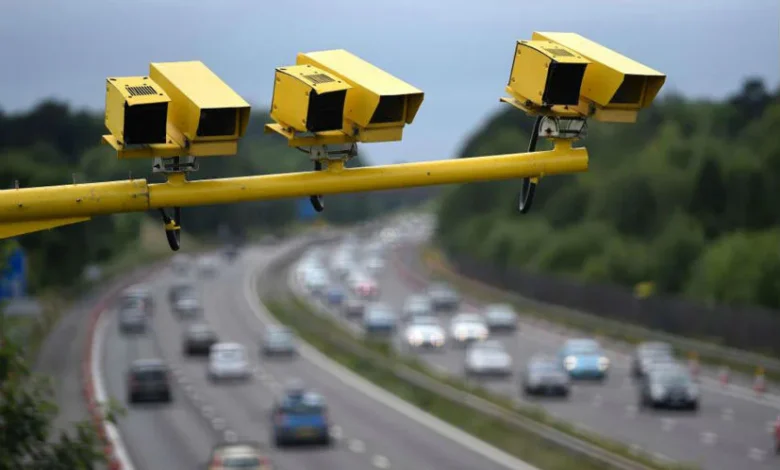
In the modern era of rapid urbanization and increasing vehicular movement, road safety has become one of the most pressing global challenges. Traditional law enforcement methods are struggling to keep pace with the growing number of traffic violations, particularly those at intersections. This is where traffic signal violation detection systems have emerged as a groundbreaking solution. Leveraging artificial intelligence, high-definition cameras, and automated data analytics, these systems are redefining how cities manage traffic and enforce laws—helping to create safer and more efficient roadways for everyone.
The Rising Concern of Traffic Violations
Every year, thousands of lives are lost due to reckless driving and signal violations at intersections. According to various traffic studies, red light running is one of the leading causes of fatal road accidents worldwide. Manual enforcement, while valuable, is limited by human error, time constraints, and resource shortages. It’s often impossible for traffic officers to monitor every intersection effectively.
A traffic signal violation detection system bridges this gap through automation and precision. These systems continuously monitor intersections, capture images and videos of violating vehicles, and record critical details like license plate numbers, time, and location. This data is automatically transmitted to centralized servers, where violations are verified and penalties are processed. The result is an efficient, transparent, and scalable system that significantly reduces human dependency and enhances compliance.
How Traffic Signal Violation Detection Works
The core of an effective traffic signal violation detection system lies in its integration of advanced sensors, cameras, and analytical software. Typically, high-speed cameras are installed at intersections alongside inductive loop sensors or radar-based detectors. When a vehicle crosses the stop line after the signal turns red, the system immediately captures images and records video evidence.
This captured data is analyzed using AI-powered algorithms that identify the type of violation—such as red-light jumping, lane indiscipline, or wrong turns—and link it to the vehicle’s registration number through automated license plate recognition technology. Once verified, the data is sent to traffic authorities for enforcement.
Improving traffic management is one of the major benefits of this technology. By collecting continuous data on traffic flow and violations, city planners can identify high-risk intersections and modify signal timings or road designs accordingly. The information gathered not only enforces compliance but also helps authorities make data-driven decisions to enhance overall mobility and safety.
Advantages of Automated Traffic Violation Detection
Deploying a traffic signal violation detection system offers numerous advantages for both urban administrators and citizens.
- Enhanced Road Safety: Automated monitoring ensures drivers adhere to signals, drastically reducing the number of red-light violations and subsequent accidents.
- Efficient Law Enforcement: Automation minimizes the need for manual monitoring and allows traffic authorities to focus on other critical operations.
- Data-Driven Decision Making: Authorities gain access to valuable insights into traffic flow, enabling them to implement targeted safety measures.
- Transparency and Fairness: Automated systems eliminate bias and human errors, ensuring that penalties are issued only for verified violations.
- Cost and Time Efficiency: Once installed, these systems operate continuously without extensive manpower, reducing operational costs.
- Public Awareness: As violators receive fines supported by clear photographic evidence, it promotes accountability and encourages better driving habits.
Improving traffic management through these systems also means cities can optimize signal timings to reduce congestion. With continuous data from smart cameras, the system learns traffic patterns, identifying peak hours and recommending signal timing adjustments. This ensures smoother traffic flow and reduces waiting time at intersections, benefiting both safety and efficiency.
The Role of AI and Video Analytics
Artificial Intelligence (AI) and video analytics have completely transformed the capabilities of traffic signal violation detection systems. AI algorithms can detect complex behaviors, such as vehicles attempting to speed through yellow lights, illegal U-turns, or unauthorized lane changes. The system can instantly differentiate between normal and abnormal movement, ensuring precise detection without false alarms.
AI-based analytics also enable predictive modeling—identifying intersections prone to frequent violations and predicting accident-prone areas based on historical data. This proactive approach empowers authorities to take preventive measures before incidents occur.
Moreover, video analytics enhances the efficiency of urban mobility. For instance, smart cameras can recognize traffic density and automatically adjust signal cycles to reduce congestion. Improving traffic management with these AI tools not only saves time for commuters but also reduces fuel consumption and air pollution, supporting the sustainability goals of modern smart cities.
Impact on Urban Safety and Law Enforcement
Integrating a traffic signal violation detection system into city infrastructure has far-reaching effects beyond just catching offenders. It reshapes the entire urban safety ecosystem. By ensuring consistent enforcement, drivers become more disciplined, reducing risky behaviors such as speeding through intersections or ignoring pedestrian crossings.
For law enforcement agencies, these systems act as a force multiplier. With real-time alerts, authorities can quickly identify high-risk areas and deploy personnel more effectively. Additionally, automated ticketing systems free officers from manual tasks, allowing them to focus on maintaining order and responding to emergencies.
Citizens also benefit from increased transparency. The availability of clear evidence for every violation reduces disputes and builds public trust in law enforcement. When drivers understand that every signal is being monitored by intelligent systems, compliance improves naturally.
Integration with Smart City Infrastructure
As part of the broader smart city initiative, traffic signal violation detection systems are now being integrated with other urban technologies like adaptive traffic lights, emergency response systems, and connected vehicle networks. This creates an interconnected ecosystem where information flows seamlessly between devices and authorities.
AI in smart cities ensures that these systems don’t just react to violations—they anticipate and prevent them. For example, smart intersections can communicate with emergency vehicles, automatically clearing their paths by adjusting traffic signals. Similarly, city administrators can monitor overall traffic health through centralized dashboards and implement policies based on real-time data.
Improving traffic management within this framework becomes a continuous, self-evolving process. Data from violation systems contributes to optimizing road infrastructure, improving pedestrian safety, and even planning future transportation networks.
Leading Companies in Traffic Signal Violation Detection
Several global and Indian companies have made remarkable advancements in developing reliable traffic signal violation detection systems. Some of the top players include:
- Vehant Technologies: A pioneer in intelligent transportation and surveillance solutions, Vehant offers AI-based traffic signal violation detection and automated enforcement systems. Their solutions are widely used across Indian smart cities for real-time red-light violation detection, speed enforcement, and vehicle monitoring.
- Siemens Mobility: Known for its smart traffic management systems, Siemens integrates advanced sensors and automation to enhance intersection safety and manage violations effectively.
- Honeywell Building Technologies: Honeywell provides integrated traffic management and violation detection platforms powered by AI and cloud connectivity for seamless citywide enforcement.
- Videonetics: An Indian technology leader offering intelligent video analytics for traffic monitoring, red-light enforcement, and road safety improvement.
- Bosch Mobility Solutions: Bosch combines AI-powered analytics with robust camera systems to deliver scalable traffic monitoring and violation detection solutions.
These companies are driving innovation by merging AI, data analytics, and automation to create safer roads and smarter cities.
The Future of Traffic Violation Detection
The future of traffic signal violation detection is undoubtedly data-driven and AI-enhanced. As cities continue to adopt smart infrastructure, we can expect greater integration between traffic systems, public safety departments, and urban planning agencies. The next generation of these systems will likely include real-time communication with connected vehicles, automated reporting to mobile apps, and predictive algorithms capable of anticipating high-risk behavior before violations occur.
Improving traffic management through next-generation analytics will also mean leveraging cloud-based systems for centralized control, ensuring that enforcement is consistent and scalable across multiple cities.
Conclusion
Road safety is the foundation of a thriving, sustainable city. Through the adoption of traffic signal violation detection systems, authorities are taking a major step toward safer roads and responsible driving behavior. These intelligent solutions not only detect violations but also transform how cities monitor, analyze, and respond to traffic challenges.
As technologies evolve and companies like Vehant Technologies continue to lead innovation in AI-driven surveillance and enforcement, cities worldwide are poised to become safer, more efficient, and more connected. Automated traffic violation detection is more than just a tool—it’s a cornerstone in the global movement toward smarter and safer urban mobility.