Vomiting in Cats: Hairballs or a Serious Problem?
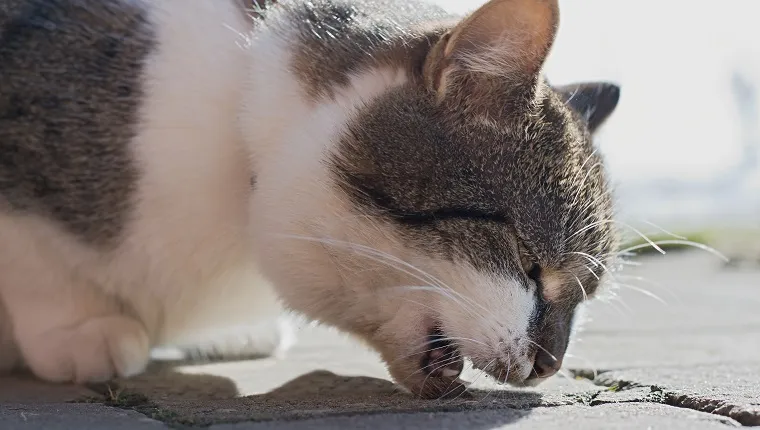
Vomiting is one of the most common issues seen in cats and it often causes concern for pet owners. Although occasional vomiting can be considered normal if caused by hairballs, it can indicate an underlying health problem. It is helpful to know whether your pet has experienced a non-harmful vomiting incident or if there was a serious problem requiring veterinary care.
Understanding Normal Vomiting in Cats
There is a big difference in the frequency of vomiting associated with hairballs versus a true gastrointestinal disorder. Cats are natural fastidious groomers; therefore, while grooming, they swallow loose hair. The swallowed hair accumulates in the stomach, forming a hairball. In general, nearly all cats will produce a hairball at least occasionally, but these events should not be associated with any other clinical findings.
The characteristics of a normal hairball event usually appear as follows:
• Cat exhibits coughing or retching behaviors
• A small quantity of mucous, fluid, or a cylindrical hairball is produced from the stomach
• The cat immediately resumes normal behavior and does not exhibit symptoms beyond those listed above
Hairball events occur more commonly in long haired breeds and less commonly in short haired breeds. Additionally, hairballs can occur at varying frequencies among cats. Some cats may produce hairballs on a weekly basis while others may go months without experiencing any hairball events.
Additionally, infrequent mild dietary indiscretions may result in a single episode of vomiting. Examples of such dietary indiscretions include eating too quickly, mild stomach irritation or an acute dietary change resulting in the production of a single hairball.
When Hairballs Are No Longer Normal?
While hairballs are extremely common, repeated vomiting of hairballs within a relatively short period of time indicates that something is wrong. Repeated hairball vomiting episodes can indicate increased grooming habits, possible gastrointestinal disorders, decreased peristalsis, etc. Examples of Possible Indications that hairballs may be becoming a problem include
• Vomiting multiple hairballs every week to two weeks.
• Frequent gagging without producing anything.
• Prolonged constipation or reduction in appetite.
• Loss of significant body weight over time.
In rare instances, a large hairball can cause partial obstruction of the stomach or intestines causing chronic vomiting and abdominal pain.
Pathological causes of vomiting in cats
Cat vomiting becomes increasingly problematic if it occurs frequently, if it’s intense, or if it has nothing to do with swallowing a hairball. There are many potential reasons why your feline friend could experience this issue. The possible reasons range from minor irritation to serious disease.
Common medical causes include:
Gastrointestinal Disorders
The inflammation of the stomach or small intestine (which is commonly called gastritis or enteritis) can result in continuous vomiting. Gastritis/enteritis can develop due to infections, food intolerance, or chronic inflammatory conditions.
Swallowing foreign objects
Felines will occasionally eat non-edible things like string, plastic or cloth. When ingested, this can block parts of their digestive tracts and continue to induce vomiting. Felines experiencing gastrointestinal obstruction will become lethargic.
Liver or kidney disease
If either your cat’s liver or kidneys don’t function properly, they will allow toxic substances to accumulate within your pet’s body. Repeated vomiting is among the first signals of organ dysfunction.
Parasite Infestation
Parasitic organisms which infest the intestinal walls of your feline companion can create discomfort and cause vomiting. Cats under six months of age, and those that have not received regular parasite prevention will most likely contract parasitic worms.
Diet Related Issues
Your feline’s stomach may become irritated by new foods or ingredients that were previously unknown to them. As well, some felines react adversely to particular protein sources or additive preservatives used in commercial pet food products.
Hormonal Imbalances
Endocrine disorders such as hyperthyroidism can cause an elevated metabolic rate in your pet and stimulate excessive appetite while causing weight loss and recurring vomiting.
Warning signs that require attention
Even though a singular case of vomiting in a feline may not be dangerous, there are several combinations of factors that you need to pay close attention to because they signify that your pet may require veterinarian assistance. Look for these warning signs:
• Vomiting at least once per day for 24 – 48 hours
• Bloody vomit or black coffee ground-like substance in the vomit
• Fatigue or unusual withdrawal behaviors
• Decreased interest in food or water intake
• Stomach pain or distension
• Dry mucous membranes (indicative of dehydration)
If all of these symptoms appear simultaneously, it suggests that your cat is vomiting more than just hairballs and probably requires veterinarian intervention.
How veterinarians differentiate the cause
Most of the time, veterinarians use a combination of a patient interview and a physical exam in order to narrow down the potential cause(s) of your cat’s vomiting. Additional testing, including radiography (x rays), ultrasound imaging, laboratory evaluations (e.g., complete blood counts, serum biochemistry) and fecal examinations, will assist in identifying the underlying reason behind your cat’s vomiting.
Gastrointestinal related hairballs typically show very few abnormal test results. On the other hand, evidence of systemic disease (e.g., infection) or obstruction of the upper GI tract will normally yield clear diagnostic clues.
Managing and reducing vomiting episodes
For less-frequent hairball-related vomiting, you may wish to try using brushing to remove excess hair from your cat before ingestion. By slowing the speed of your cat’s consumption during meals you may be able to limit the number of hairballs she swallows.
The method for addressing the root cause of vomiting will depend upon the actual diagnosis. If your cat’s vomiting is associated with another condition (e.g., hyperthyroidism, pancreatitis), then changing her diet, giving her medications, etc., may address her vomiting problem.
Conclusion
While vomiting in cats does not necessarily represent a reason for concern when it occurs occasionally and is presumably associated with swallowing hairballs, identifying and distinguishing between normal vomiting and vomiting representing a symptom of illness is critical. Recognizing these distinctions allows veterinarians to diagnose serious problems early enough to effectively treat them.