What Happens During a Professional Drain Clearance Visit
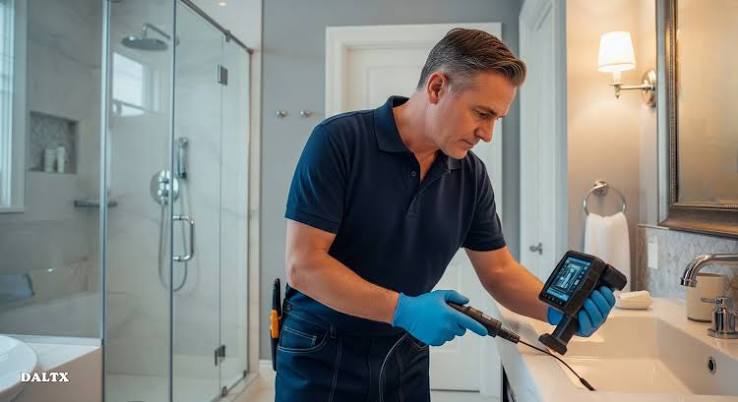
A slow-draining sink, wastewater backing up into a toilet or a completely blocked outdoor drain can quickly disrupt everyday life. The blocked drains Brighton homeowners encounter may affect a single fixture or several connected drainage points. While minor blockages can sometimes be cleared with simple household methods, more stubborn or recurring problems often require professional attention.
Professional drain clearance involves more than simply removing an obstruction. Drainage specialists such as DrainBoss assess the problem, identify a suitable cleaning method and check whether wastewater can flow freely afterwards. The exact process depends on several factors, including the location and severity of the blockage, the material and condition of the pipes, and how easily the affected section can be accessed.
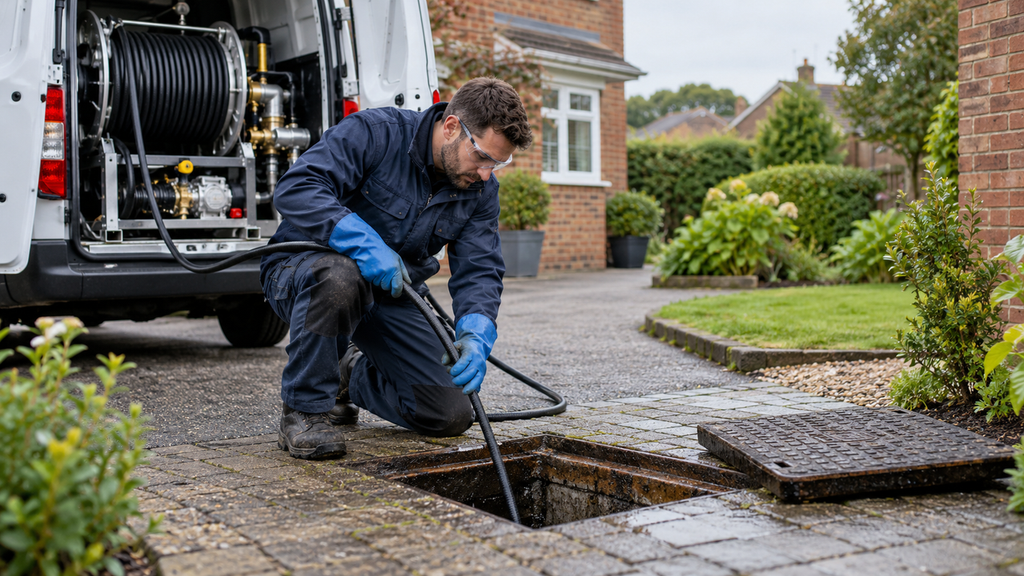
What Happens When the Drainage Engineer Arrives?
A professional drain clearance visit usually begins with a discussion of the problem. The drainage engineer will ask when the symptoms first appeared, which drains are affected and whether the issue has occurred before. They may also want to know if wastewater backs up when a toilet is flushed or whether several fixtures drain slowly at the same time. Any previous attempts to clear the blockage are worth mentioning, particularly if chemical drain cleaners have been used.
The engineer will then examine the accessible parts of the drainage system. This may include sinks, toilets, outdoor gullies, manholes and inspection chambers. Checking several drainage points helps establish whether the obstruction is confined to one branch pipe or affects a larger section of the system. Water levels in accessible chambers can also provide clues about the approximate location of a blockage.
A history of recurring problems is particularly important. Repeated blockages may indicate accumulated deposits, root intrusion or structural defects rather than a single obstruction. If the cause remains unclear, a CCTV drain survey may be recommended to inspect the pipe internally. However, camera inspections are not necessary for every blockage. Straightforward problems can often be assessed and cleared without additional diagnostic equipment.
How Is the Right Drain Clearance Method Chosen?
Not every blockage requires the same equipment. A small obstruction close to an accessible drain may be relatively simple to remove, while heavy grease deposits or hardened construction materials can require specialist tools. The engineer considers what is likely to be restricting the flow and whether the pipe can safely withstand the proposed cleaning method.
Several techniques are commonly used during professional drain clearance:
| Method | Typical Application | Main Considerations |
| Drain rodding | Localised obstructions in accessible drains | Effectiveness depends on the type and position of the blockage |
| High-pressure water jetting | Grease, silt and other accumulated deposits | Pressure and equipment must suit the condition of the pipe |
| Specialist cutting equipment | Hardened obstructions such as concrete | Requires an assessment of the obstruction and pipe condition |
Drain rodding uses flexible rods to reach and dislodge suitable obstructions. High-pressure water jetting directs water through a specialist nozzle to break up deposits and flush loosened material along the pipe. Cutting equipment is generally reserved for particular obstructions that cannot be removed using conventional clearance methods.
The engineer must also consider the pipe diameter, material, accessibility and structural condition. Older clay pipes, for example, may have deteriorated joints or existing cracks that require additional care. If substantial damage is suspected, further inspection may be necessary before proceeding. The aim is to restore effective drainage without creating unnecessary risks to the pipework.
What Happens During the Drain Clearance Process?
Once the engineer has assessed the problem and selected an appropriate method, the actual clearance work can begin. The procedure varies depending on whether the obstruction is inside a small waste pipe, an underground drain or a larger section of the drainage network. Access conditions and the amount of accumulated material also influence how the work is carried out.
A typical professional drain clearance process involves the following stages:
- Preparing the working area. The engineer identifies a suitable access point, positions the equipment and takes precautions to prevent wastewater from spreading into surrounding areas.
- Setting up the equipment. Drain rods, jetting hoses or specialist tools are prepared according to the type and location of the obstruction.
- Breaking up the blockage. Mechanical equipment or high-pressure water is introduced into the affected section to dislodge the material restricting the flow.
- Clearing accumulated debris. Where necessary, loosened grease, silt and other deposits are flushed through the system or removed using suitable equipment.
- Restoring wastewater flow. The engineer checks whether water can pass through the previously obstructed section without backing up.
There is an important difference between opening a passage through a blockage and cleaning deposits from the inside of a pipe. Removing a concentrated obstruction may restore drainage quickly, but grease or sediment can remain attached to the pipe walls. Where conditions allow, further cleaning may help remove these deposits and reduce the likelihood of another restriction developing in the same location.
The duration of the work depends on the severity of the blockage, available access and condition of the drainage system. More complicated obstructions may require additional investigation or equipment.
How Does the Engineer Check That the Drain Is Clear?
Removing an obstruction is only part of the job. Before completing the visit, the drainage engineer needs to establish whether wastewater can move through the affected section properly. This usually involves running water through connected fixtures or carrying out controlled flow checks appropriate to the drainage system.
Where accessible, inspection chambers may be checked to confirm that water is passing through without unusual accumulation or backing up. The engineer will also look for signs that part of the obstruction remains, such as continued slow drainage or unexpected changes in water level. If the original problem affected several fixtures, checking more than one drainage point may be necessary.
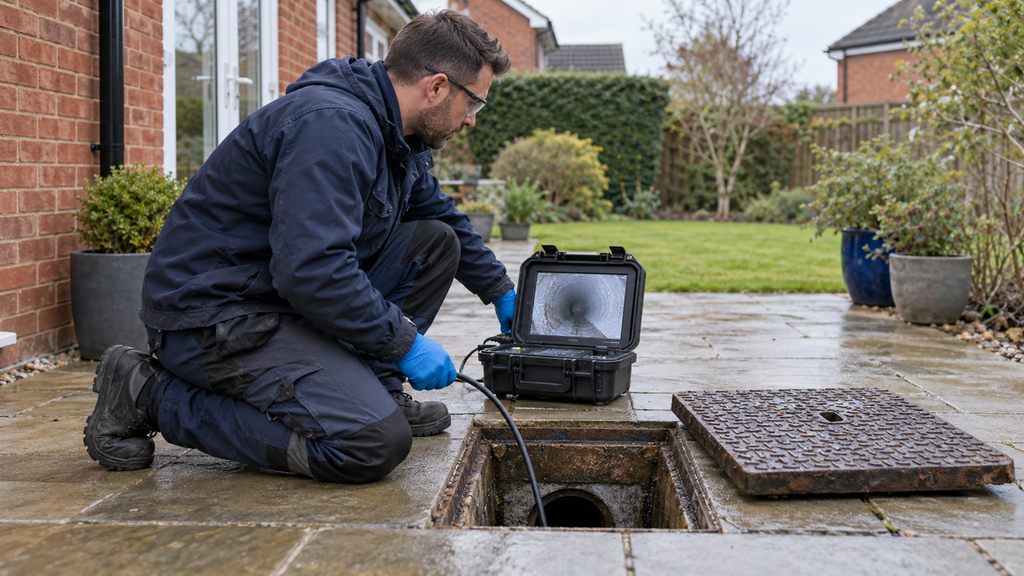
In certain situations, a follow-up CCTV inspection can provide additional information. This is particularly useful when a blockage was difficult to remove, the same problem has occurred repeatedly or structural damage is suspected. However, a camera inspection is not automatically required after every successful clearance.
It is also important to distinguish between restoring water flow and confirming that a pipe is structurally sound. A damaged drain can sometimes continue functioning despite cracks, displaced joints or other defects. Normal flow therefore confirms that the immediate restriction has been relieved, but does not necessarily rule out underlying problems.
What Happens If the Engineer Finds a More Serious Problem?
Sometimes a blockage is a symptom of a larger drainage defect. During the inspection or clearance process, the engineer may discover cracked pipe walls, displaced joints or sections that have partially collapsed. Tree roots can also enter through damaged connections and create obstructions that return even after the initial growth has been removed.
These conditions can interfere with wastewater flow and encourage debris to accumulate in the same location. A pipe with a displaced joint, for example, may catch solid waste as it passes through. Similarly, a partially collapsed section can reduce the available opening, making conventional cleaning insufficient to restore reliable drainage.
If structural damage is suspected, a more detailed CCTV drain survey may be recommended to establish its location and extent. Depending on the findings, possible solutions include localised repairs, drain relining or excavation to replace a damaged section. Relining may be suitable for certain defects where the existing pipe can support the repair, while badly collapsed or severely displaced sections may require excavation.
Drain repairs should be treated as separate work rather than an automatic part of routine clearance. The engineer should explain the findings, why further intervention may be necessary and what the proposed repair involves. Homeowners can then consider the available options before authorising additional work.
What Should Homeowners Know Before Booking a Drain Clearance Visit?
A little preparation can make a professional drain clearance visit more straightforward. Giving an accurate description of the problem helps the drainage company understand the situation and determine what equipment may be required. Homeowners do not need to identify the exact cause themselves, but a few practical details can be useful.
Before the appointment, consider the following:
- Describe the symptoms. Explain which drains are affected, when the problem started and whether wastewater is backing up or simply draining slowly.
- Mention previous problems. Tell the engineer about recurring blockages, earlier repairs and any cleaning products or tools already used.
- Provide access where possible. Keep routes to accessible outdoor drains and inspection chambers clear, but do not attempt to open heavy or unsafe covers yourself.
- Ask about the charges. Clarify what the initial service includes and whether CCTV inspections, additional equipment or repair work would involve separate costs.
- Limit water use if sewage is backing up. Avoid flushing toilets or using connected fixtures until the situation has been assessed, particularly where further discharge could cause flooding.
The time required for clearance depends on the location and severity of the obstruction, available access and whether additional investigation is needed. A straightforward blockage may be resolved during the initial visit, while damaged pipes or difficult obstructions can require further work.
Understanding these practical details in advance helps homeowners prepare for the appointment and know what questions to ask before work begins.
Conclusion
Professional drain clearance usually involves assessing the symptoms, locating the blockage, choosing suitable equipment, clearing the obstruction and checking that wastewater flows freely. The exact process varies with access, pipe condition and the complexity of the problem. A straightforward obstruction may require fewer steps than a damaged underground drain.
Drainage specialists such as DrainBoss can use CCTV surveys to investigate blocked drains Reigate homeowners experience repeatedly. Restoring the flow alone may provide only temporary relief if the underlying cause remains. Identifying accumulated deposits, root intrusion or damaged joints helps establish whether further cleaning or repair is necessary.