Looking After London’s Mature Trees: A Practical Guide for Property Owners
London’s trees are part of the city’s everyday infrastructure. They soften busy streets, provide shade during hot weather and make small gardens feel established. Yet their surroundings can be demanding. Buildings, paving, underground services and shared boundaries leave limited room for roots and branches to develop. Owners who want to maintain a healthy tree need to balance its long-term condition with the practical requirements of the property.
Professional tree surgeons London property owners consult can help distinguish between routine maintenance, a genuine structural concern and a problem that can be solved without cutting. A good assessment starts with the tree’s species, age, visible condition and location. It should also consider how the space is used, because a branch above a quiet planted border presents different considerations from one above a busy entrance.
Begin With a Specific Objective
Requests to ‘tidy up’ a tree can lead to misunderstandings. One homeowner may want more clearance over a path; another may be concerned about a broken limb or branches touching a building. These are distinct objectives, and they may require different techniques. Explain what has changed, when the issue occurs and which parts of the property are affected.
Photographs and a simple description can help at the enquiry stage, but they do not replace a suitable on-site assessment where structural condition or safety is in question. The purpose of the first discussion is to establish what needs investigation rather than decide immediately how much growth should be removed.
Understand the Main Types of Pruning
Crown lifting selectively increases clearance beneath lower branches. It can help where foliage interferes with a walkway, driveway or seating area. Crown reduction, where appropriate, aims to reduce selected dimensions of a canopy while retaining a suitable natural structure. Deadwood removal addresses dead branches when their location and condition justify intervention.
These terms describe different operations and should not be used interchangeably. Heavy topping or indiscriminate removal of major limbs can leave large wounds and encourage poorly attached regrowth in some trees. An arboricultural professional should explain the likely consequences of proposed cuts and whether a less invasive option would meet the objective.
Why the Root Environment Matters
A tree’s visible crown receives much of the attention, but roots and surrounding soil are equally important. Repeated vehicle movement, storage of heavy materials and excavation can compact or damage the rooting area. Changes in drainage and the installation of impermeable surfaces may also alter growing conditions.
Before starting a patio, extension, driveway or utility project, identify nearby trees and consider their root protection needs. In some cases, adjusting a design before construction is far more practical than trying to repair damage after it occurs. Tree protection should form part of the planning process, not an afterthought once machinery arrives.
Check Planning Restrictions
Some trees are protected by Tree Preservation Orders, and trees within conservation areas may be subject to notification requirements. The applicable rules depend on the location and circumstances. Property owners should check with the relevant London borough or local planning authority before arranging work rather than assuming that a tree on private land is unrestricted.
Contractors should also consider protected wildlife, including active bird nests and relevant protected species. These factors may affect scheduling and working methods. Allowing time for the appropriate checks can prevent avoidable delays and reduce harm to the surrounding environment.
Assess Safety Without Assuming Every Large Tree Is Dangerous
Large trees can appear intimidating, particularly after strong winds. Size alone, however, is not evidence of instability. A suitable inspection looks for relevant structural features, recent damage and changes in condition while considering the surrounding targets, such as roads, buildings and frequently used paths.
A broken hanging branch or a newly exposed root plate may require urgent professional attention. Conversely, an established tree with a broad canopy may need only monitoring and ordinary maintenance. Residents should keep people away from an area where an immediate hazard is suspected and avoid attempting hazardous cutting themselves.
Manage Trees Around Buildings and Boundaries
In terraced streets and compact gardens, branches may extend towards windows, roofs, fences and neighbouring plots. Owners often want to improve clearance without losing the privacy or character that the canopy provides. A careful plan can identify particular branches causing conflict rather than treating the entire crown as a problem.
Overhanging growth can also raise questions about access, ownership and permitted work. The legal position may depend on the circumstances and any tree protections. Discussing plans with neighbours early is often helpful, but uncertainty about rights or responsibilities should be resolved through appropriate advice rather than assumptions.
Choose a Contractor With a Clear Method
A useful quotation should identify the tree, the proposed operations, access arrangements and what happens to the resulting material. It should explain whether waste removal and site clearance are included. For work near structures or busy public areas, ask how the contractor will protect people and property during the operation.
Kettlewell Treecare is one of the businesses offering tree-related services in London. As with any provider, owners should check the scope of the proposed work, relevant training, insurance and suitability for the site. Comparing written specifications is more reliable than comparing headline prices for jobs that may involve different methods and responsibilities.
Think About Seasonal Conditions
The best timing for tree work depends on species, condition, the operation proposed and ecological constraints. Some pruning may be better undertaken during particular periods, but a blanket seasonal rule is not suitable for every tree. Emergency hazards may require a different response from routine work.
London’s changing weather also affects the surrounding site. Waterlogged ground can complicate access, while dry periods may place additional stress on certain trees. A competent contractor should take current conditions into account rather than relying on a fixed calendar alone.
Protect the Rest of the Garden
Tree maintenance can affect paving, flower beds, lawns and garden structures if access is not planned carefully. Narrow passages and shared spaces may limit equipment choices. Before work begins, identify fragile features, discuss where branches can be moved and establish which areas need to remain clear.
Homeowners can prepare by moving portable furniture and explaining any access restrictions. The contractor should manage exclusion zones and safe working procedures. A tidy site at completion is valuable, but safety and appropriate treatment of the tree must remain the primary considerations.
Keep Maintenance Records
A short record of inspections, pruning dates and significant observations can help owners make better decisions over time. Photographs from consistent viewpoints may show how a canopy changes or whether a previously identified concern has developed. Records are particularly useful when a property changes hands or different contractors are involved.
Regular observation does not mean automatically booking major pruning each year. Healthy trees may need little intervention for extended periods. Maintenance should be guided by condition, location and a clearly identified need, not simply by the passage of time.
Consider Long-Term Planting Choices
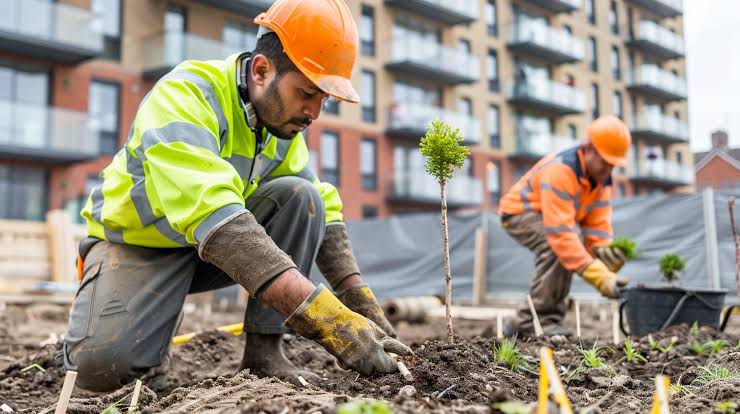
Where a tree must be replaced, the choice of species and planting position deserves care. A small sapling may eventually develop a wide canopy and substantial roots. The available soil, future size, nearby structures and maintenance access all influence whether a planting decision will remain suitable.
The benefits of trees are most sustainable when they have room to thrive. Planning for mature growth can reduce future conflicts and make the landscape easier to maintain. Existing healthy trees should be valued as established assets rather than treated as disposable features.
A Balanced Approach to Urban Tree Care
Good tree management combines practical site knowledge, careful assessment and proportionate intervention. It protects access and addresses genuine concerns while preserving healthy growth wherever possible. For London property owners, the strongest results come from understanding the reason for the work, checking legal requirements and agreeing on a precise scope with a competent specialist.
A mature tree can remain an asset even in a crowded urban setting. Thoughtful decisions today help it continue providing shade, character and environmental value in the years ahead.