When Does a Sports Injury Require Surgery?
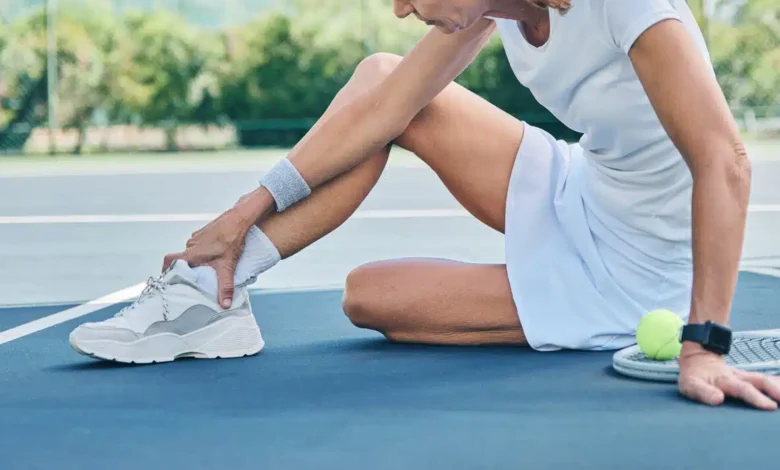
Sports injuries can happen during recreational exercise, competitive sport, gym training, running, football, basketball, tennis, cycling, martial arts, and other physical activities. Some injuries settle with rest, activity modification, medication, physiotherapy, and a gradual return to sport. Others may require surgical assessment, especially when the injury affects joint stability, tendon function, bone alignment, or daily movement.
Sports surgery is not needed for every injury. The decision depends on the type of injury, severity, symptoms, imaging findings, age, activity level, sport demands, and treatment goals. In Singapore, patients with persistent pain, swelling, weakness, instability, or loss of movement may benefit from an orthopaedic assessment to determine whether non-surgical treatment or surgery is suitable.
This article explains when a sports injury may require surgery and what patients can expect during the decision-making process.
What Is a Sports Injury?
A sports injury refers to an injury that occurs during physical activity or exercise. It may affect the bones, muscles, ligaments, tendons, cartilage, joints, or nerves.
Sports injuries may be acute or overuse-related.
Acute sports injuries happen suddenly. These may occur after a fall, twist, direct impact, awkward landing, sudden change in direction, or collision.
Examples include:
- ACL tears
- Ankle ligament tears
- Meniscus tears
- Shoulder dislocations
- Fractures
- Achilles tendon ruptures
- Muscle tears
Overuse injuries develop gradually. These may occur when repeated stress is placed on a structure without enough recovery time.
Examples include:
- Tendon pain
- Stress fractures
- Runner’s knee
- Shin splints
- Tennis elbow
- Shoulder impingement
- Plantar fasciitis
Treatment depends on the injury type and whether the affected structure can heal with non-surgical care.
Does Every Sports Injury Need Surgery?
No. Many sports injuries can be managed without surgery. Non-surgical treatment may be recommended when the injury is stable, symptoms are manageable, and the affected structure is expected to recover with proper care.
Non-surgical care may include:
- Rest from aggravating activity
- Ice and elevation during the early phase
- Medication for pain or inflammation
- Physiotherapy
- Bracing or taping
- Activity modification
- Gradual return-to-sport planning
- Injection therapy, where suitable
- Strength and mobility exercises
However, surgery may be discussed if the injury is severe, if there is structural damage that is unlikely to heal adequately on its own, or if non-surgical treatment does not help the patient return to daily activities or sport.
Signs That a Sports Injury May Need Surgical Assessment
A sports injury does not automatically require surgery, but certain symptoms may suggest that further assessment is needed.
Patients should consider seeing an orthopaedic doctor if they have:
- Pain that does not settle with rest
- Swelling that persists or returns with activity
- Inability to bear weight
- A joint that feels unstable or gives way
- Locking, catching, or clicking with pain
- Loss of movement
- Visible deformity after injury
- Weakness after a tear or rupture
- Recurrent dislocation
- Pain that affects walking, work, sleep, or sport
- Symptoms that return after physiotherapy or rest
Prompt assessment is also advisable after a traumatic injury, especially if there is severe pain, sudden swelling, numbness, open wound, suspected fracture, or inability to move the affected area.
Injuries That May Require Surgery
Some sports injuries are managed without surgery, while others may require surgical treatment depending on severity. The following are examples of injuries where surgery may be considered.
1. ACL Tears
The anterior cruciate ligament, or ACL, helps stabilise the knee during pivoting, jumping, landing, and sudden changes in direction. ACL injuries can occur in sports such as football, basketball, netball, skiing, and martial arts.
Surgery may be considered when:
- The ACL is completely torn
- The knee repeatedly gives way
- The patient wants to return to pivoting or contact sport
- There are associated meniscus or cartilage injuries
- Non-surgical treatment does not restore stability
Some partial ACL injuries may be managed with physiotherapy and bracing, depending on symptoms and activity goals. However, patients who return to pivoting sports with an unstable knee may be at risk of repeat injury.
2. Meniscus Tears
The meniscus is a C-shaped cartilage structure that helps cushion and stabilise the knee. A meniscus tear may occur during twisting movements, squatting, sudden pivoting, or direct impact.
Surgery may be considered when:
- The knee locks and cannot straighten fully
- There is persistent pain despite non-surgical treatment
- The torn fragment affects joint movement
- The tear is associated with ligament injury
- The patient has repeated swelling after activity
Some meniscus tears may be treated without surgery, especially if symptoms are mild and the knee remains stable. Surgical options depend on the tear pattern, location, tissue quality, and patient factors.
3. Shoulder Dislocations
A shoulder dislocation occurs when the upper arm bone comes out of the shoulder socket. This may happen during contact sports, falls, or overhead activities.
Surgery may be considered when:
- The shoulder dislocates repeatedly
- There is ongoing instability
- The injury affects sport or work
- There is associated labrum, bone, or tendon damage
- Non-surgical rehabilitation does not control symptoms
Younger athletes who participate in contact or overhead sports may have a risk of repeat dislocation. Treatment decisions should consider the sport, degree of instability, imaging findings, and patient goals.
4. Rotator Cuff Tears
The rotator cuff is a group of tendons and muscles that helps move and stabilise the shoulder. A tear may happen after a fall, lifting injury, or repeated overhead use.
Surgery may be considered when:
- There is a large tear
- The tear occurs suddenly after trauma
- Shoulder weakness affects daily activity
- Pain persists despite physiotherapy and medication
- The patient needs shoulder strength for work or sport
Some smaller or degenerative tears may be managed with physiotherapy, medication, and activity changes. The decision depends on symptoms, tear size, tendon quality, age, and functional needs.
5. Achilles Tendon Ruptures
The Achilles tendon connects the calf muscles to the heel bone. Rupture may occur during sprinting, jumping, sudden acceleration, or racquet sports.
Surgery may be considered when:
- The tendon is completely ruptured
- There is a gap between tendon ends
- The patient has a physically demanding lifestyle
- The patient wants to return to running or jumping sports
- Non-surgical treatment may not suit the injury pattern
Some Achilles tendon ruptures may be treated with functional bracing and rehabilitation. Treatment choice depends on the rupture pattern, patient health, activity goals, and risk discussion.
6. Fractures from Sport
Fractures may occur after falls, collisions, twisting injuries, or high-impact trauma. Some fractures can be treated with casting or bracing, while others may require surgery.
Surgery may be considered when:
- The bone fragments are displaced
- The fracture involves a joint surface
- The fracture is unstable
- The bone breaks through the skin
- There is nerve or blood vessel concern
- Non-surgical treatment may not maintain alignment
Fracture treatment aims to restore alignment, support healing, and help the patient regain movement and function.
7. Cartilage Injuries
Cartilage injuries can occur in the knee, ankle, shoulder, or hip. They may result from twisting injuries, impact, dislocation, or repeated stress.
Surgery may be considered when:
- Pain persists despite non-surgical care
- There is swelling after activity
- Loose fragments affect joint movement
- The injury affects sport or daily activities
- There are associated ligament or meniscus injuries
Cartilage has limited healing capacity in some situations. Treatment depends on the size, location, and depth of the defect, as well as patient activity level and joint condition.
When Is Non-Surgical Treatment Tried First?
Non-surgical treatment is often considered when the injury is stable, symptoms are not severe, and function can be restored with rehabilitation.
This may apply to:
- Mild ligament sprains
- Muscle strains
- Some tendon injuries
- Some partial tears
- Overuse injuries
- Stable fractures
- Mild cartilage symptoms
- Knee, shoulder, or ankle pain without instability
Physiotherapy is often part of treatment. It may focus on restoring range of motion, reducing swelling, strengthening the surrounding muscles, correcting movement patterns, and guiding return to sport.
However, if symptoms persist despite a structured rehabilitation plan, further assessment may be needed.
How Doctors Decide Whether Surgery Is Needed
The decision to recommend surgery is based on a combination of clinical findings and patient goals.
Assessment may include:
- Details of how the injury happened
- Location and severity of pain
- Swelling and bruising
- Joint stability tests
- Range of motion
- Strength testing
- Walking or sport-specific movement assessment
- X-rays
- MRI scans
- Ultrasound scans, where relevant
Imaging can help confirm the diagnosis, but treatment decisions are not based on scans alone. Symptoms, function, examination findings, sport demands, medical history, and patient preferences are also considered.
What Happens If Surgery Is Recommended?
If surgery is recommended, the doctor should explain the reason for surgery, available options, possible risks, expected recovery timeline, and rehabilitation requirements.
Patients may wish to ask:
- What injury was found?
- Why is surgery being considered?
- Are there non-surgical alternatives?
- What are the risks if surgery is delayed?
- What are the possible complications?
- How long is the expected recovery period?
- When can I walk, work, drive, or return to sport?
- Will physiotherapy be needed?
- What costs may be involved?
- Can insurance, MediSave, or other schemes apply?
The recovery process varies by injury and procedure. Some patients may return to light daily activities within weeks, while return to sport may take several months depending on the injury, surgery, and rehabilitation progress.
When to Seek Urgent Care
Some sports injuries should be assessed promptly. Patients should seek urgent medical attention if they have:
- Severe pain after injury
- Visible deformity
- Inability to bear weight
- A suspected fracture or dislocation
- Numbness, tingling, or weakness
- Open wound with deep injury
- Rapid swelling after trauma
- Fever with joint swelling
- Loss of movement
- Severe head, neck, or spine symptoms after impact
For severe trauma, an emergency department may be suitable.
A sports injury may require surgery when there is significant structural damage, joint instability, tendon rupture, displaced fracture, recurrent dislocation, locking of the joint, or persistent symptoms despite non-surgical treatment. However, many sports injuries can be managed with rehabilitation, bracing, medication, activity modification, and gradual return-to-sport planning.
Patients in Singapore who have ongoing pain, swelling, instability, weakness, or difficulty returning to sport may consider seeing an orthopaedic doctor for assessment. Early diagnosis can help guide treatment and reduce uncertainty about whether surgery is needed.
This article is for general information only and should not replace medical advice from a qualified healthcare professional.