Why Bull Bars Are Essential for Emergency and Rescue Vehicles
When emergency vehicles roar down a rough track, dodging fallen branches, potholes, or the odd startled roo, every second counts. That makes bull bars supremely important.
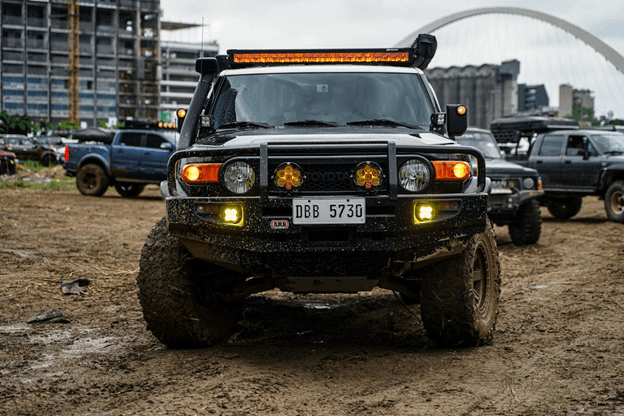
A well-engineered bull bar acts as a guardian, designed to protect vital components and keep vehicles operational in chaotic environments. To make the most out of it, get one that’s specifically made for the make and model of your vehicle. That means if you drive a Ford Ranger, you should purchase Ford Ranger bull bars.
So, what makes them essential for vehicles that are literally racing against time? Let’s break things down.
Bull Bars and Vehicle Protection
When a 4×4 hits debris, collides with wildlife, or takes a tumble over uneven terrain, the forces involved can wreak havoc on the engine bay and passenger cabin. A robust bull bar absorbs and distributes those forces, preventing critical damage.
Materials matter, without a doubt. High-tensile steel is heavy but exceptionally strong, offering maximum energy absorption. Aluminium, on the other hand, is lighter and resists corrosion, though it flexes differently under impact. Engineers design bull bars to work with crumple zones, ensuring modern safety systems like airbags still function effectively.
Off-Road Resilience and Terrain Adaptability
Life off the beaten track can get messy. Mud, gravel, flooded tracks, and loose rocks can twist a chassis like a corkscrew if a vehicle isn’t reinforced properly. Bull bars play a huge role here. Integrated skid plates shield the undercarriage from rocks, while reinforced mounting points stop chassis twisting, keeping the vehicle solid under strain.
A well-engineered bull bar complements the suspension, helping absorb shocks and maintain stability during recovery operations. Imagine a rescue vehicle hauling a winch through a creek bed. Without a bull bar that’s designed to spread stress evenly, suspension components could be compromised in seconds.
Bull Bars as Operational Tools
Bull bars are practical tools, not just protective gear. They’re designed to carry accessories that are essential for emergency work. Winches mounted on the front help drag vehicles out of bogs, pull fallen trees from tracks, or assist in rescue scenarios. LED light bars can turn a moonless night into a well-lit worksite, allowing crews to operate safely in poor visibility.
Mounting points must meet strict load ratings. Improperly rated mounts can fail under stress, potentially turning a rescue mission into a disaster. Engineers ensure bull bars distribute forces from these accessories evenly across the vehicle frame, so whether you’re hauling a winch or powering high-intensity lights, the vehicle stays intact and ready.
Enhancing Safety for Occupants and Crew
A bull bar protects the people inside as much as the vehicle itself. During an impact, the bull bar absorbs kinetic energy, reducing the force transmitted to the cabin. This is critical in vehicles carrying multiple passengers or heavy equipment, as the load changes the dynamics of every bump and collision.
Compatibility with airbags and modern crash sensors is key. Engineers design bull bars to work seamlessly with these systems so safety features aren’t compromised. Benefits include:
- Protects the driver during low-speed impacts with debris
- Maintains cabin integrity in collisions
- Reduces the chance of the vehicle being immobilised during a mission
Choosing the Right Bull Bar for Emergency Vehicles
Picking the right bull bar can be tricky. Material grade, mounting hardware, and load ratings all play a role. High-tensile steel is ideal for maximum strength, while aluminium provides weight savings and corrosion resistance—the choice depends on the vehicle and terrain.
Regulatory compliance is non-negotiable. Bull bars need to meet safety standards and avoid interfering with vehicle lights or sensors. Customisation is also worth considering; the bull bar should match operational terrain without adding unnecessary stress to the suspension or drivetrain.
Maintenance and Longevity Considerations
A bull bar is only as good as its upkeep. Regular cleaning, rust prevention, and torque checks on mounting bolts ensure it performs as intended. Repeated off-road excursions can cause fatigue, so inspections after heavy missions are crucial. Maintaining a bull bar is far more cost-effective than replacing one after failure, and it ensures that every emergency vehicle is ready to go when duty calls.
Bull Bars: All-Important Tools for Emergency and Rescue Operations
For emergency and rescue vehicles, bull bars are far from optional. They offer protection, operational utility, and enhanced safety for both vehicle and crew. Investing in a quality, well-engineered bull bar is investing in reliability and readiness, ensuring your vehicle can tackle unpredictable terrain and life-saving missions with confidence. Of course, brand is important. You can’t go wrong with trusted names like Ironman 4×4.