7 Things You Should Know Before Seeing a Dermatologist in HSR Layout
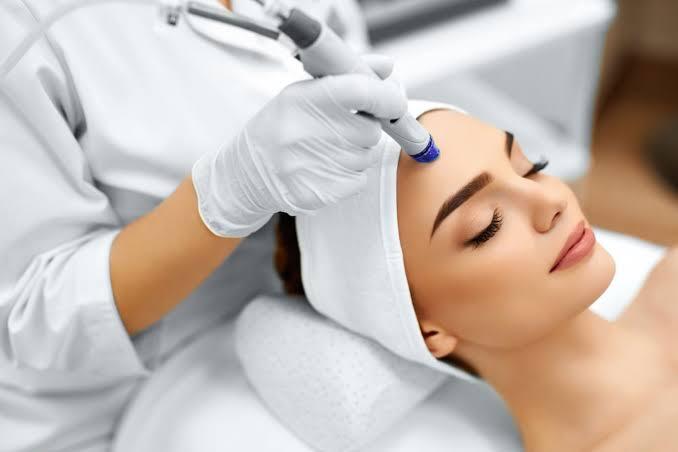
Skin concerns are rarely urgent in the way a broken bone is urgent, but they are rarely trivial either. Conditions that appear cosmetic on the surface often have deeper implications — for health, comfort, confidence, and sometimes for the detection of something more serious. For residents and working professionals in HSR Layout, Bangalore, dermatology care has become increasingly accessible over the past several years. But accessibility alone does not make the experience straightforward. Knowing how to approach a dermatology appointment, what to expect from the process, and how to make informed decisions about your care can save considerable time, reduce unnecessary anxiety, and lead to better outcomes.
This article is written for people who are genuinely preparing for a dermatology consultation — not looking for a quick remedy, but wanting to understand what good skin care actually involves before they walk through a clinic door.
1. Understanding What Dermatology Actually Covers
Many people associate dermatology exclusively with cosmetic treatments — facials, laser procedures, and acne creams. In practice, dermatology is a medical specialty that covers the diagnosis and treatment of conditions affecting the skin, hair, nails, and mucous membranes. It includes chronic inflammatory conditions like psoriasis and eczema, infections caused by bacteria, fungi, or viruses, autoimmune disorders that manifest on the skin, and screening for skin cancers. Cosmetic dermatology is one subset of the field, but it sits alongside a much broader range of medical concerns.
If you are looking for a dermatologist hsr layout residents can consult for both medical and cosmetic concerns, it is worth clarifying the nature of your condition before your appointment so the clinic can allocate appropriate time and resources.
The Difference Between a General Physician Referral and a Direct Visit
In many cases, people visit a general physician first and are then referred to a dermatologist when the concern falls outside the scope of primary care. However, skin conditions are often visible, relatively straightforward to assess by the patient themselves, and do not always require a GP referral before seeking specialist care. In HSR Layout, most dermatology clinics operate on a direct-appointment basis. You do not need a referral letter to book a consultation. That said, if you have an existing medical history relevant to your skin concern — such as diabetes, thyroid conditions, or autoimmune diagnoses — bringing that documentation helps the dermatologist understand your full clinical picture from the first meeting.
2. The First Consultation Is Primarily Diagnostic
A common misconception is that a first appointment with a dermatologist will result in an immediate treatment plan. More often, the first session is focused on understanding the condition — its history, how it has progressed, what has been tried before, and what external or internal factors may be contributing. For straightforward concerns, a clear diagnosis and initial treatment may be possible in a single session. For more complex or chronic conditions, the first consultation is simply the beginning of a longer process.
What a Dermatologist Is Assessing During That First Visit
During the consultation, a dermatologist is not just looking at the affected area in isolation. They are assessing the distribution of the condition across the body, the texture and characteristics of the skin involved, your personal and family history of skin disorders, and any lifestyle or environmental factors that could be contributing. They may use a dermatoscope — a handheld device that magnifies the skin — to examine lesions or spots more closely. This kind of thorough assessment takes time and cannot be rushed without compromising accuracy. Setting realistic expectations about the pace of the first visit makes the experience less frustrating and more productive.
3. Skin Type Classification Affects Every Recommendation
Dermatologists work within a clinical framework when assessing skin, and one of the most foundational elements of that framework is skin type. The Fitzpatrick scale, which classifies skin by its response to UV exposure, is widely used as a reference point for understanding how certain treatments and topical products interact with an individual’s skin. This matters more than most patients realize at the outset.
Why This Is Particularly Relevant in the Indian Clinical Context
People with deeper skin tones — which includes a significant proportion of the population in South India — have a higher concentration of melanin, which changes how the skin responds to procedures like chemical peels, laser treatments, and certain prescription topicals. Treatments that are routine and low-risk for lighter skin tones can cause post-inflammatory hyperpigmentation or other side effects when applied without adjustment to melanin-rich skin. A qualified dermatologist adjusts their approach accordingly, but patients who are aware of this dynamic can ask more informed questions and better understand why their treatment plan may differ from what they have read online or heard from others.
4. Over-the-Counter Products Are Not a Substitute for Diagnosis
The availability of skincare products in India has grown significantly. Pharmacy shelves and online platforms carry a wide range of creams, serums, and medicated formulations that are accessible without a prescription. Many people use these products for months before seeking professional care. While this is understandable, it creates a complication: by the time a patient reaches the dermatologist, the clinical picture may have been altered by prior product use. Some conditions can become harder to identify accurately when they have been partially treated or suppressed by over-the-counter products.
The Specific Risk of Steroid-Containing Products
Topical corticosteroids are available in various strengths and are present in some commonly used skin lightening or anti-inflammatory creams. Prolonged use without supervision can cause skin thinning, increased sensitivity, acne-like eruptions, and a condition sometimes referred to as topical steroid dependence. This is a documented and growing concern in dermatology practice. Patients who have been using steroid-containing products — sometimes without realizing it — should inform their dermatologist so the consultation accounts for any effects those products may have introduced.
5. A Treatment Plan Requires Patience and Consistency
Skin operates on a cycle. New skin cells form in the deeper layers and migrate to the surface over the course of several weeks. This biological timeline means that most dermatological treatments — whether for acne, pigmentation, or chronic conditions — take weeks or months to show measurable results. This is not a flaw in the treatment; it reflects how skin actually functions.
What Inconsistency Costs You
Patients who stop a prescribed treatment partway through because results are not immediately visible often reset whatever progress had been made. Worse, some conditions rebound when treatment is withdrawn prematurely, sometimes presenting more severely than before. Following the treatment protocol as outlined, returning for follow-up appointments, and communicating clearly when side effects or concerns arise gives the dermatologist the information they need to adjust the plan appropriately. Treatment is an ongoing clinical conversation, not a one-time prescription.
6. Cosmetic Procedures Require the Same Clinical Rigor as Medical Treatment
There is a tendency to view cosmetic dermatology as lower stakes than medical dermatology. In practice, procedures like chemical peels, laser therapy, microneedling, or injectable treatments carry real risks if performed without a proper clinical assessment beforehand. Skin conditions that are not immediately visible — active infections, recent sun exposure, medications that affect skin sensitivity — can influence the safety and outcome of cosmetic procedures significantly.
Questions Worth Asking Before Any Procedure
Before agreeing to any procedure, patients should understand what the procedure involves at a clinical level, what the expected recovery or downtime looks like, what the realistic outcome range is, and what risks or contraindications apply to their specific skin type and history. A dermatologist who is willing to answer these questions clearly and without pressure is one who is treating the consultation as a genuine medical interaction. According to the World Health Organization, skin conditions account for a significant proportion of non-fatal disease burden globally, reinforcing that care in this field — even when cosmetic in focus — warrants proper clinical standards.
7. Continuity of Care Matters More Than Convenience
In urban areas like HSR Layout, there is no shortage of dermatology options. Clinics have become more numerous, and telemedicine has made remote consultations possible for minor concerns. But fragmented care — seeing different doctors for each visit, switching clinics frequently, or relying entirely on teleconsultation without an in-person examination — reduces the quality of dermatological management over time. A dermatologist who has seen you across multiple visits has context that cannot be replicated in a first appointment.
Building a Reliable Clinical Relationship Over Time
Skin conditions, especially chronic ones, change. What is under control one season may flare during another. Hormonal shifts, changes in diet or environment, new medications, and stress all affect skin health. A dermatologist who knows your baseline, understands your history, and has tracked your responses to previous treatments is in a fundamentally better position to manage those changes than one encountering you for the first time. Investing in continuity — returning to the same qualified professional across visits — pays dividends in more consistent outcomes and fewer unnecessary interventions.
Closing Thoughts
Seeing a dermatologist is not complicated, but it benefits from preparation. Understanding what the specialty covers, what to expect from the first consultation, how your skin type influences recommendations, and why consistency in treatment matters puts you in a stronger position as a patient. It also helps you evaluate the quality of care you receive and ask better questions throughout the process.
HSR Layout has a growing number of dermatology clinics and practitioners. The quality of your experience will depend not only on the qualifications of the clinician, but on how clearly you communicate your concerns and how consistently you engage with the process. Good dermatological care is a two-way clinical relationship — the more informed your side of it, the more effective the outcome tends to be.