8 Factors to Consider Before Choosing Parquet Flooring in Singapore
Key Takeaways
- Wood selection affects durability, appearance, and long-term maintenance needs.
- Installation methods and finishes influence comfort, sound, and indoor air quality.
- Ongoing care and refinishing costs shape the lifespan of parquet flooring.
Introduction
Choosing parquet flooring in Singapore often begins with a focus on appearance, yet long-term performance depends on a combination of material, installation, and maintenance decisions. Homeowners may initially prioritise the warmth and texture of wood, but practical considerations such as humidity, daily use, and upkeep quickly shape how the flooring performs over time. As living spaces evolve, flooring must support both aesthetic expectations and functional demands. Understanding these factors early helps prevent costly adjustments later and ensures that the final choice remains suitable for everyday living conditions.
1. Selection of Wood Species
Different wood species influence how parquet flooring responds to daily use and environmental conditions. Teak remains a common choice because of its natural resilience, while lighter woods create a different visual tone that suits contemporary interiors. Each type carries its own balance of hardness, colour, and grain pattern, which affects how the floor ages over time. Selecting the right species requires considering both design preferences and how the material will perform under regular use.
2. Thickness of the Wear Layer
The thickness of the top wood layer determines how many times the flooring can be refinished. A thicker layer allows repeated sanding and varnishing, which extends the lifespan of the surface. Thinner layers may limit restoration options, leading to earlier replacement. This factor becomes important for homeowners planning long-term use, as it directly influences maintenance flexibility and durability.
3. Suitability for Moisture-Prone Areas
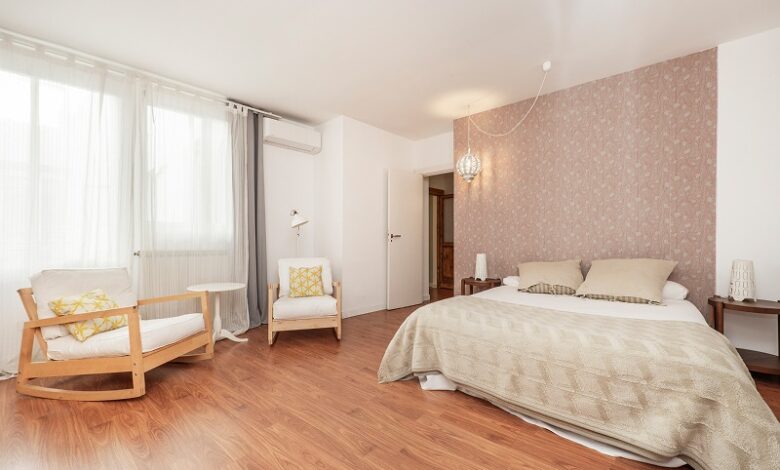
Wood reacts to moisture, which makes placement within the home an important consideration. Bedrooms typically provide a stable environment, while areas exposed to water or humidity may pose challenges. Even minor exposure can affect the structure over time, leading to warping or discolouration. Evaluating where the flooring will be installed helps ensure that it performs consistently without requiring frequent repairs.
4. Installation Method and Adhesives
Installation methods affect both durability and indoor air quality. Glue-down systems are widely used, yet the type of adhesive matters in enclosed living spaces. Low-emission materials support better air conditions, especially in homes with limited ventilation. Proper installation also ensures that the flooring remains stable under daily use, reducing the likelihood of gaps or uneven surfaces developing over time.
5. Choice of Varnish Finish
The finish applied to parquet flooring influences how it reflects light and shows wear. Gloss finishes create a polished look but tend to highlight scratches and surface marks. Matte finishes offer a more understated appearance and help conceal minor imperfections. Choosing the right finish depends on how the space is used and how much visible wear homeowners are willing to manage.
6. Acoustic Considerations in High-Rise Living
Sound transfer becomes a practical concern in multi-level housing. Wood surfaces can amplify footsteps or movement, especially without proper underlayment. Adding acoustic layers during installation helps reduce noise transmission, which improves comfort for both residents and neighbours. Considering sound control early avoids the need for adjustments after installation.
7. Maintenance and Surface Protection
Parquet flooring requires regular care to maintain its appearance. Daily activities such as moving furniture or walking with footwear can create surface marks over time. Protective measures, including the use of pads and rugs, help minimise damage. Understanding the level of upkeep required allows homeowners to decide whether this type of flooring fits their routine.
8. Long-Term Refinishing Costs
Over time, parquet flooring may need professional sanding and refinishing to restore its appearance. These services extend the life of the flooring but also add to overall ownership costs. Planning for periodic maintenance ensures that the floor continues to meet expectations without unexpected expenses. Factoring these costs into the decision-making process supports a more realistic long-term plan.
Conclusion
Parquet flooring remains a popular choice for its visual appeal, yet its performance depends on how well each factor aligns with daily living conditions. From material selection to maintenance planning, every decision contributes to how the flooring ages and functions over time. When homeowners consider these elements together, they create a more balanced approach that supports both style and practicality.
Contact Hardscapes to plan your parquet flooring in Singapore with the right materials and installation approach for your home.