Understanding Heat Detectors: An Essential Guide for Safety
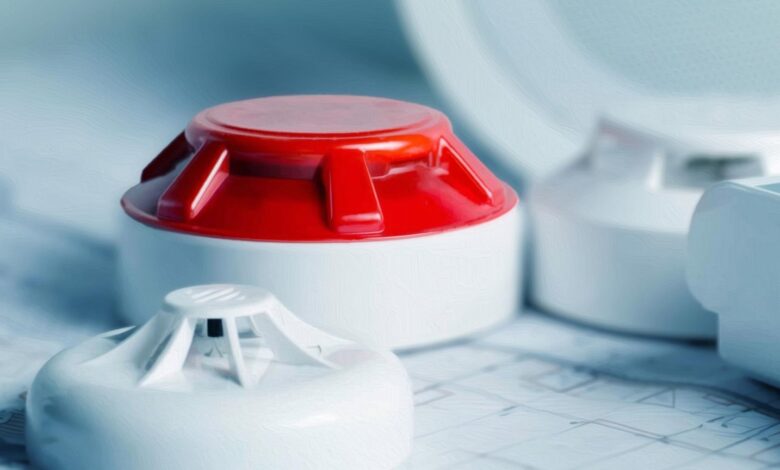
When it comes to fire safety, early detection is the key to preventing damage and saving lives. While smoke detectors are commonly discussed, heat detectors are equally important, especially in environments where smoke alarms might trigger false alerts. Understanding how heat detectors work, where to install them, and their benefits can help you create a safer home or workplace. This essential guide covers everything you need to know about heat detectors and their role in fire protection.
1. What Are Heat Detectors?
Heat detectors are fire safety devices designed to sense changes in temperature. Instead of detecting smoke or gas, they respond when the surrounding temperature rises beyond a set point or when there is a rapid increase in heat. These detectors are crucial in areas where smoke, dust, or steam may interfere with traditional smoke alarms—such as kitchens, garages, boiler rooms, and manufacturing spaces.
2. How Heat Detectors Work
Heat detectors are available in two primary types:
- Fixed Temperature Detectors: These activate when the temperature in the area reaches a predetermined threshold, typically around 135°F to 194°F (57°C to 90°C). They’re reliable in steady environments where temperature fluctuations are minimal.
- Rate-of-Rise Detectors: These trigger when the temperature increases rapidly—usually by 12°F to 15°F per minute—even if the overall temperature hasn’t reached a fixed point. This makes them ideal for detecting fast-growing fires.
Both types of detectors send a signal to a fire alarm control panel, which then activates alarms or notifies emergency responders.
3. Why Heat Detectors Are Essential
a. Reducing False Alarms
In places like commercial kitchens, smoke from cooking can set off smoke alarms unnecessarily. Heat detectors eliminate this problem by focusing solely on temperature changes.
b. Protecting High-Value Assets
Heat detectors are often installed in data centers, storage rooms, or warehouses to protect expensive equipment and inventory. By providing early detection, they help prevent catastrophic losses.
c. Compliance with Safety Standards
Many building codes and insurance policies require heat detectors in specific locations to ensure proper fire safety coverage.
4. Ideal Locations for Heat Detectors
Placing heat detectors in the right spots ensures maximum efficiency. Consider these recommended locations:
- Kitchens: Avoid false alarms from smoke detectors caused by cooking.
- Garages: Detect heat from vehicle fires or flammable material storage.
- Boiler Rooms: Monitor areas where heating systems could overheat.
- Industrial Areas: Protect machinery and reduce risks in dusty or smoky environments.
- Attics and Basements: Ideal for spaces where electrical wiring or equipment may pose a fire risk.
Avoid installing heat detectors in areas with significant temperature fluctuations, such as uninsulated outdoor spaces or near HVAC vents, as this may affect their accuracy.
5. Heat Detectors vs. Smoke Detectors
While both devices are crucial for fire safety, they serve different purposes:
| Feature | Heat Detectors | Smoke Detectors |
| Detection Method | Temperature change | Smoke particles in the air |
| Best Use | Kitchens, garages, industrial areas | Living rooms, bedrooms, hallways |
| False Alarm Risk | Low in smoky or dusty areas | Higher in smoky or dusty environments |
In many cases, fire safety experts recommend using both detectors in complementary locations for complete protection.
6. Types of Heat Detectors
a. Conventional Heat Detectors
These are connected to a single zone on a fire alarm panel. When activated, they indicate an alarm in that zone but don’t specify the exact location.
b. Addressable Heat Detectors
These devices communicate directly with the fire alarm panel, providing precise information about where the alarm originated. Addressable detectors are ideal for large buildings or commercial facilities.
c. Combination Detectors
Some heat detectors combine rate-of-rise and fixed temperature features for maximum sensitivity and reliability.
7. Installation Tips
Proper installation ensures your heat detectors function effectively:
- Follow Manufacturer Guidelines: Each detector has recommended placement instructions for height, spacing, and environment.
- Hire Professionals: For commercial buildings or complex systems, use certified fire safety professionals for installation.
- Test Before Final Placement: Ensure the detector responds correctly to heat sources during initial setup.
- Consider System Compatibility: If your detectors are part of a larger fire alarm system, ensure compatibility with the control panel and other components.
8. Maintenance and Testing
Regular maintenance is vital for reliable performance.
Here are a few tips:
- Monthly Visual Checks: Look for dust, dirt, or damage that could interfere with the detector.
- Annual Testing: Use a heat source or consult a professional to verify the detector’s response.
- Battery Replacement: If your detectors are battery-operated, replace batteries annually or as indicated by the manufacturer.
- System Updates: When upgrading your fire alarm system, ensure heat detectors are compatible with newer technology.
9. Choosing the Right Heat Detector
When selecting a heat detector, consider:
- Environment: Will it be exposed to dust, steam, or extreme temperatures?
- Sensitivity Requirements: Rate-of-rise detectors are ideal for areas with potential rapid fire development, while fixed temperature detectors are better for stable environments.
- Building Size: Addressable detectors are more suitable for large or complex buildings.
- Compliance Needs: Check local codes and insurance requirements for specific detector types or placement.
Trusted suppliers like https://firealarmdepot.com/collections/heat-detectors offer a variety of heat detectors to suit residential, commercial, and industrial applications.
10. The Role of Heat Detectors in Comprehensive Fire Safety
Heat detectors are a critical component of an overall fire safety plan. They work alongside smoke detectors, sprinklers, and fire extinguishers to ensure multiple layers of protection. For businesses, this means safeguarding employees, customers, and assets. For homeowners, it means peace of mind knowing your family is protected.
In addition to detectors, developing an evacuation plan, training staff or family members on fire safety, and conducting regular fire drills all contribute to a robust safety strategy.
11. Advancements in Heat Detection Technology
Modern heat detectors are more advanced than ever. Some include:
- Wireless Connectivity: Simplifies installation and allows remote monitoring.
- Smart Home Integration: Works with home automation systems for real-time alerts.
- Improved Sensitivity: Reduces the chance of missed detections or false alarms.
As technology evolves, upgrading your fire safety equipment ensures you’re using the most effective protection available.
12. Conclusion
Heat detectors play an indispensable role in fire safety, particularly in environments where smoke detectors might not be suitable. By understanding how they work, where to place them, and how to maintain them, you can significantly reduce fire risks in your home or business. Whether you’re safeguarding a kitchen, garage, industrial facility, or storage room, choosing the right heat detector and installing it properly can make all the difference in an emergency.
Investing in high-quality heat detectors is not just about compliance—it’s about protecting what matters most. When combined with other fire safety measures, these devices provide reliable and effective defense against potential disasters.