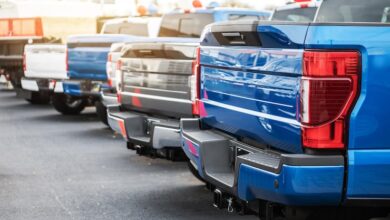
Why Diesel Car Engines Remain Popular in Albuquerque

Diesel engines have long held a respected place in vehicle engineering, especially in regions that value rugged performance and fuel economy. In cities like Albuquerque, a unique blend of geographical conditions and driver preferences has helped diesel-powered cars maintain their popularity despite the rising trend of hybrids and electric vehicles. Many people visiting or purchasing vehicles from car dealers Albuquerque still favor diesel engines for good reasons—both practical and economic. This article explores the key factors that contribute to the enduring appeal of diesel engines in Albuquerque.
The Influence of Albuquerque’s Terrain and Elevation
Albuquerque sits more than 5,000 feet above sea level, with rough terrains and expansive distances marking the landscape. This elevation affects engine performance, especially in vehicles that aren’t designed to handle thin air. Diesel engines are well-known for performing efficiently in high altitudes because they use compressed air to ignite fuel rather than relying on spark plugs. This makes them ideal for the city’s climate and topography.
Drivers in Albuquerque also enjoy venturing beyond the city limits for road trips, camping, or outdoor activities. Diesel vehicles, especially trucks and SUVs, provide the torque and stamina needed to tackle the rugged desert landscapes and mountainous roads without strain. This reliability in varied conditions makes diesel engines a practical choice for Albuquerque residents who require power and consistency.
Superior Fuel Economy and Longevity
One of the biggest advantages diesel engines offer is superior fuel efficiency, especially on highways or longer commutes. Albuquerque, being a sprawling city with a somewhat spread-out population, often requires residents to cover significant distances daily. Diesel engines typically offer 20-30% better fuel economy compared to gasoline engines. This translates to major savings over time, especially for those who regularly commute or use their vehicles for work.
Furthermore, diesel engines are built with durability in mind. They are engineered to withstand higher compression levels, making them more robust and long-lasting. Many diesel cars can easily surpass 200,000 miles with proper maintenance. As a result, Albuquerque drivers looking for a long-term investment often gravitate toward diesel cars and trucks.
Diesel vs. Gasoline: The Power and Torque Advantage
Diesel engines are renowned for their high torque output, which is the force that helps a vehicle get moving from a stop or haul heavy loads. This makes diesel engines especially appealing for drivers who need towing power for RVs, boats, or utility trailers. In Albuquerque—a city with a thriving outdoor culture—many residents own recreational vehicles or work trucks that require serious pulling power.
Unlike gasoline engines, which are tuned for horsepower and higher speeds, diesel engines deliver power at lower RPMs. This means they do their hardest work without needing to rev up, contributing to better fuel efficiency and longer engine life. For Albuquerque drivers who appreciate muscle and endurance over speed, diesel engines provide the winning formula.
Cold Weather Performance and Albuquerque’s Climate
While Albuquerque enjoys a relatively mild climate, winters can get chilly, especially in the higher elevations surrounding the city. Modern diesel engines are engineered to perform well in cold conditions, using glow plugs and advanced fuel systems that prevent the fuel from gelling. This reliability in varied weather makes diesel-powered cars popular in Albuquerque year-round.
Even in summer, diesel engines offer benefits. They handle heat more efficiently than gasoline engines due to better fuel combustion and greater thermal efficiency. Combined with the city’s dry climate, this makes diesel vehicles a reliable and dependable option for daily use.
Environmental Regulations and Cleaner Diesel Technology
One of the main critiques of diesel engines has traditionally been their environmental impact. However, advancements in diesel engine technology have significantly reduced emissions, especially with the introduction of Ultra-Low Sulfur Diesel (ULSD) and Diesel Particulate Filters (DPFs). Modern diesel engines comply with strict environmental standards and produce fewer greenhouse gases compared to older models.
Additionally, diesel engines emit less carbon dioxide (CO2) compared to gasoline engines due to their greater fuel efficiency. Many diesel vehicles are now as clean or even cleaner than their gasoline counterparts, especially when maintained properly. This shift in technology has helped preserve diesel’s relevance in markets like Albuquerque, where drivers value both performance and eco-friendliness.
Economic Considerations for Diesel Car Owners
While diesel cars often cost more upfront than gasoline cars, the long-term savings in fuel and durability often outweigh the initial investment. In Albuquerque, many work vehicles—such as delivery trucks, ranch vehicles, and construction fleets—depend on diesel engines. The lower maintenance requirements and higher fuel efficiency translate to cost savings, especially in industries that rely on heavy use.
Diesel fuel can also be more economical since diesel engines extract more energy per gallon of fuel. For Albuquerque residents who prioritize long-term value and lower total cost of ownership, diesel vehicles remain an attractive option.
The Future of Diesel in Albuquerque
With the automotive industry shifting toward electrification, some wonder whether diesel engines will remain relevant. In Albuquerque, the transition may take longer due to the city’s reliance on diesel vehicles for both work and recreation. While electric vehicles are gaining popularity, they currently struggle with range limitations and may not yet be ideal for the rugged terrain and long-distance travel that’s common here.
Hybrid diesel vehicles and cleaner diesel technologies continue to emerge, offering Albuquerque drivers a bridge between reliability and sustainability. Diesel engines likely won’t be phased out anytime soon, especially in industries and lifestyle segments where power and endurance are still top priorities.
Conclusion
Diesel engines continue to play a vital role in Albuquerque’s automotive landscape due to their unmatched torque, fuel efficiency, long lifespan, and adaptability to altitude and weather. The combination of practical needs and advanced diesel technology has helped these engines remain relevant, despite the industry’s push toward electric and hybrid models. Whether for work or recreation, diesel-powered vehicles offer reliable performance that matches the city’s tough terrain and active lifestyle. As long as Albuquerque values durability, power, and efficiency, diesel engines will continue to roar on its roads.