How Traction Boards Help You Self-Recover Without a Winch
What Are Traction Recovery Boards?
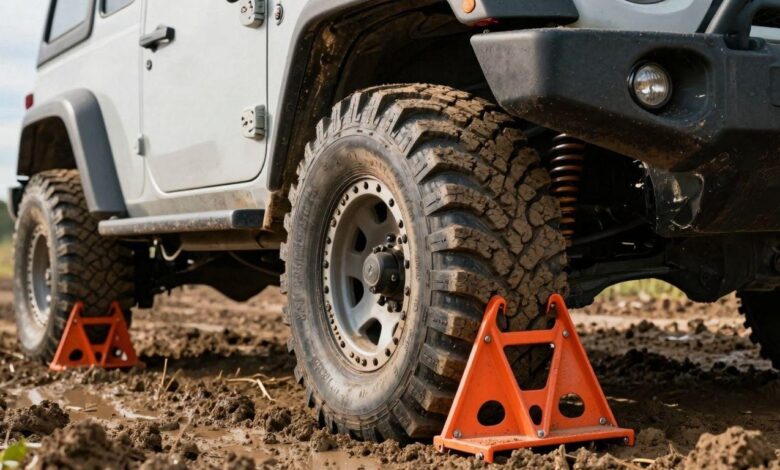
Traction boards are simple yet effective tools for off-roaders. They are essentially durable panels designed to slide under a vehicle’s tires when traction is lost. Their primary job is to give the tires something solid to grip onto, helping to pull a vehicle out of mud, sand, or snow. Think of them as temporary, portable grip enhancers. They are a go-to for solo off-roading scenarios where help isn’t readily available. These boards are built tough, ready to handle the demands of getting unstuck.
The Core Functionality of Traction Boards
The main idea behind traction boards is straightforward: provide grip where there is none. When a vehicle’s tires spin uselessly in soft terrain, these boards are inserted beneath them. The aggressive tread pattern on the boards bites into the tire’s rubber, while the other side digs into the ground. This creates a bridge of traction, allowing the vehicle to move forward. The effectiveness of traction boards lies in their ability to create a stable surface for tires to push against. They are a key piece of self-recovery gear.
Why Modern Traction Boards Excel
Today’s traction boards are a far cry from early versions. Manufacturers have improved materials and designs significantly. Many modern boards are made from tough, UV-resistant polymers that can withstand extreme temperatures and heavy loads without cracking. Some even feature reinforced sections or metal components for added durability. This evolution means they are more reliable and versatile than ever before. They offer a practical solution for many stuck situations.
When Traction Boards Prove Invaluable
Solo Off-Roading Scenarios
When you’re out on the trail by yourself, the stakes are higher. There’s no second vehicle to give you a pull if you get stuck. This is precisely where traction boards shine. They offer a reliable way to get yourself out of a bind without needing assistance. Being prepared for solo adventures means having the right gear, and traction boards are a key component of that preparedness. They provide that crucial bit of grip needed to regain forward momentum.
Imagine this: you’re exploring a remote area, and your tires sink into soft sand or thick mud. Without another vehicle, you’re stranded. Traction boards, however, can be quickly deployed under your drive wheels. Their aggressive tread pattern bites into the tire and the terrain, giving you the traction needed to drive out. This self-recovery capability is invaluable for anyone who enjoys venturing off-road alone.
It’s not just about getting unstuck; it’s about the confidence that comes with knowing you have a solution. Traction boards are lightweight and easy to carry, making them a practical addition to any solo off-roader’s kit. They represent a proactive approach to potential challenges, turning a potential disaster into a minor inconvenience.
Challenging Terrain Like Sand and Snow
Traction boards are particularly effective in environments where traditional recovery methods might struggle. Sand and snow present unique challenges. In deep sand, a winch line can sometimes pull the vehicle further into the soft stuff, making the situation worse. Snow can be just as tricky, with tires spinning uselessly.
This is where the design of traction boards makes a significant difference. Their sturdy construction and aggressive lug patterns are engineered to dig into loose surfaces like sand and snow. When placed under the drive wheels, they create a stable platform, providing the necessary bite to move the vehicle forward. They effectively bridge the gap between spinning tires and solid ground.
Think about beach driving or exploring snowy mountain passes. These are scenarios where traction boards can be a lifesaver. They offer a direct and immediate solution to loss of traction, allowing for a quick self-recovery. Unlike other methods that might require more setup or external help, traction boards are deployable in minutes.
Overlanding and Quick Self-Recovery Needs
For overlanders, time and self-sufficiency are often paramount. Journeys can take you far from immediate help, and the ability to quickly recover from a stuck situation is vital. Traction boards fit this need perfectly. They are designed for rapid deployment and effective self-recovery, minimizing downtime on an expedition.
When you’re on an extended trip, every minute counts. Getting stuck can mean losing daylight or missing a planned campsite. Traction boards allow for a swift extraction, often without even leaving the driver’s seat for an extended period. This speed and ease of use make them a favorite among experienced overlanders.
The simplicity of using traction boards means that even less experienced off-roaders can successfully recover their vehicles. They are a straightforward tool that delivers reliable results when you need them most.
They are a lightweight backup tool that complements a more extensive recovery kit. While a winch might be overkill for minor stuck situations, traction boards are the ideal solution for those common scenarios where a little extra grip is all that’s needed. Their affordability and effectiveness make them a smart investment for any overlander.
Choosing the Right Traction Boards
Durability Features to Look For
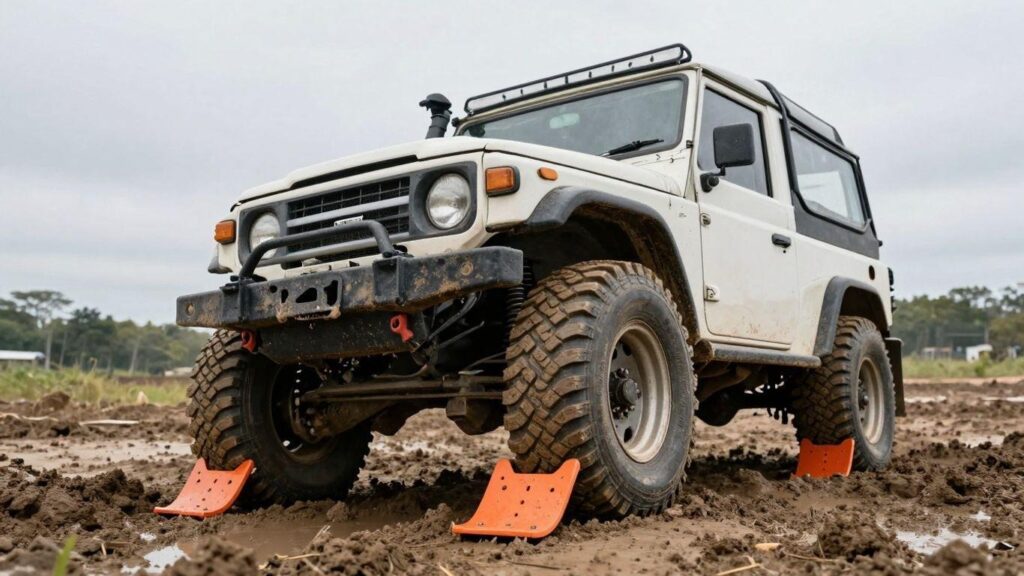
When you’re looking at traction boards, think about what they’re made of. You want something that won’t crack or break when you really need it. Some boards have metal parts, like steel plugs, that make them tougher. This is good because it stops the boards from getting chewed up by spinning tires. A board that can handle a lot of stress is key for reliable self-recovery.
Durability means peace of mind when you’re miles from anywhere.
Look for boards that are made from strong materials. They should feel solid in your hands. If a board feels flimsy, it probably won’t last long out on the trail. Think about the weight of your vehicle too; heavier trucks need tougher boards.
Aggressive Tread Patterns for Grip
The surface of traction boards is super important. You need a pattern that will bite into your tires and the ground. Think of it like a tire tread, but for getting unstuck. Aggressive lugs or cleats help grab onto the rubber of your tires, giving you that extra push needed to get moving. Without good grip, the boards just spin.
- Deep lugs for maximum bite
- Wide spacing to shed mud or snow
- Reinforced areas for tire contact
This aggressive tread is what makes traction boards work. It’s the direct connection between your tire and the board, and then the board and the terrain. A well-designed tread pattern can make the difference between getting out quickly or staying stuck.
Heavy-Duty Construction for Various Vehicles
Not all vehicles are the same, and neither are all traction boards. You need to pick boards that can handle the weight of your specific vehicle. A small car needs less than a full-size truck or an SUV. Some boards are made from lighter plastics, while others use stronger composites. Heavy-duty construction means the boards won’t fail under pressure.
Consider the type of terrain you’ll be in most often. If you’re often in deep mud or soft sand, you’ll need boards that are built to last. It’s better to have a set of traction boards that are a bit overkill for your current vehicle than to have ones that can’t handle the job when you need them most. Investing in quality construction saves you hassle later.
Mastering Traction Board Usage
Getting stuck happens. Knowing how to use your traction boards effectively can save you time and frustration. It’s not just about shoving them under a tire; a little preparation goes a long way.
Preparing the Area Around Your Tires
Before you even think about placing the boards, take a moment to assess the situation. You need to clear out as much of the stuck material – be it mud, sand, or snow – from around your tires as possible. This gives the boards a better chance to get a solid purchase. Think of it like clearing a path for yourself. Digging out a bit in front of and behind your drive wheels can make a huge difference. This step is often overlooked, but it’s key to a successful extraction using traction boards.
Proper Insertion Techniques for Maximum Effect
Once the area is prepped, it’s time to get the boards in place. You want to slide them under the drive tires, aiming for the direction you want to go. Make sure they are positioned as flat as possible against the ground. The goal is to create a smooth ramp for your tires to climb onto. Some people like to kick them in a bit to help them seat firmly. The more surface area of the board that contacts the tire, the better the grip.
Applying Steady Throttle for Extraction
With the boards in place, it’s time to try and drive out. The trick here is steady throttle. Avoid mashing the gas pedal. Spinning your tires too fast can dig you in deeper or even damage the boards. You want just enough power to allow the aggressive tread pattern on the traction boards to grab and pull your vehicle forward. Let the boards do the work; they are designed for this.
Repeating the Process if Necessary
Sometimes, one attempt isn’t enough. If you move a little but don’t get completely free, don’t despair. You might need to repeat the process. Carefully reposition the boards, perhaps digging out a bit more if needed, and try again. Patience is a virtue when you’re stuck. Remember, the goal is to get yourself out, and traction boards are your tool for that.
Beyond Basic Traction: Versatile Uses
Traction boards aren’t just for getting unstuck. They’re surprisingly handy tools that can serve multiple purposes on an off-road trip.
Utilizing Boards as a Shovel
When you need to move some dirt or clear debris, these boards can act as a makeshift shovel. They’re great for digging out around a tire to prepare for extraction or for clearing campsite areas. Their sturdy construction means they won’t easily bend or break under pressure. This makes them a reliable tool when you need to do a bit of digging.
Employing Boards as Bridging Ramps
Got a small ditch or rut that’s too big to drive over but too small for a serious bridge? Traction boards can help. You can lay them across smaller gaps to create a temporary bridge for your tires. This is especially useful for crossing small streams or uneven terrain. They provide a stable surface where there otherwise wouldn’t be one.
Using Boards for Camp Leveling
Setting up camp on uneven ground can be a pain. If your vehicle or tent is leaning, traction boards can be used to level things out. Simply slide them under the low side of your vehicle or tent poles. This simple trick can make a big difference in your comfort. These boards are truly multi-functional recovery gear.
Traction Boards as Essential Recovery Gear
A Lightweight Backup Tool
When you’re out exploring, having a reliable way to get yourself unstuck is key. While winches and tow straps have their place, traction boards offer a different kind of advantage. They’re incredibly light, making them easy to pack without adding much weight to your rig. This makes them a perfect addition for anyone who likes to travel light or wants a simple backup.
Traction boards are a smart choice for solo adventurers. They don’t require another vehicle or complex setup. You can deploy them quickly when you find yourself in a bind. Think of them as your personal get-out-of-jail-free card for those moments when the trail gets a bit too friendly with your tires.
Complementing Your Existing Recovery Kit
Even if you already have a winch or recovery straps, traction boards fill a specific niche. They excel in situations where winches might be overkill or impractical, like soft sand or deep snow. Having a set of traction boards means you’re not solely reliant on one method of recovery. They work well alongside other gear, providing an extra layer of preparedness.
Consider them a versatile tool that expands your recovery options. They can help you get moving again when other methods might be too slow or difficult to set up. This makes your overall recovery kit much more robust and adaptable to different scenarios.
Don’t underestimate the power of simple tools. Traction boards are proof that sometimes, the most effective solutions are also the most straightforward.
Affordability and Effectiveness Compared to Alternatives
When you look at the cost of a winch system or even a good quality tow strap, traction boards often come out as a more budget-friendly option. Yet, their effectiveness in common off-road predicaments is undeniable. They provide a tangible solution for getting your vehicle moving again without breaking the bank.
For many drivers, especially those who tackle varied terrain like mud, sand, and snow, traction boards are a highly practical investment. They offer a high return in terms of self-reliance and peace of mind. The ability to recover yourself quickly and efficiently makes them a standout piece of gear.
Here’s a quick look at why they’re a good buy:
- Cost-Effective: Generally less expensive than winches.
- Simple to Use: Minimal training required.
- Versatile: Work in sand, mud, and snow.
- Lightweight: Easy to transport and store.
- Reliable: Provide direct grip when you need it most.
Final Thoughts
While a winch might be the go-to for some serious recoveries, traction boards offer a much simpler and faster way to get yourself out of a bind. They’re lightweight, easy to use, and work in a variety of tough spots like sand, mud, or snow. When you’re out exploring solo or just want a reliable backup, a good set of traction boards can really save the day. Think of them as your personal get-unstuck kit that doesn’t need a second vehicle to work.