The Ultimate Guide to Choosing a Specialist Paediatric Dentist in London
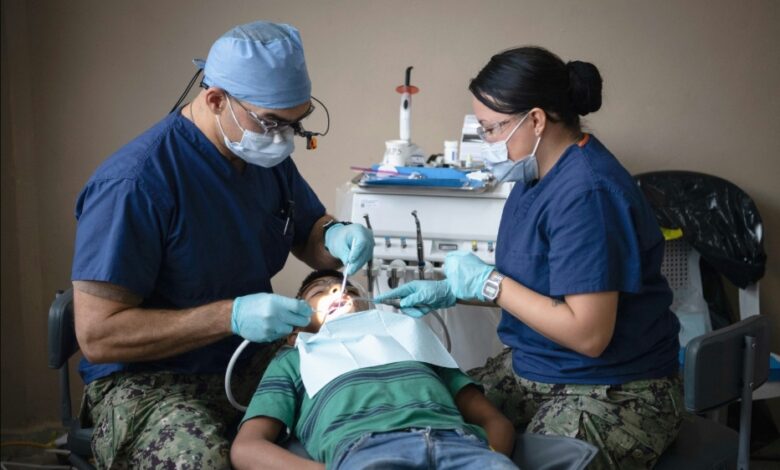
Every parent wants the best care for their child, especially when it comes to oral health. While many general dental practices can see children, finding a specialist paediatric dentist offers an extra level of expertise, reassurance, and tailored care. For families in London, where choices are abundant and often overwhelming, understanding what to look for can make the process much easier.
This guide will help you navigate what a paediatric dentist is, why they may be the right choice for your child, and how to choose the best specialist in London based on qualifications, approach, environment, and your child’s unique needs.
A good paediatric dentist is not just a clinician – they are a partner in your child’s long-term wellbeing, visit https://www.childrensdentistlondon.co.uk/ to find out more.
What Is a Paediatric Dentist?
A paediatric dentist is a dental professional who has undergone additional years of specialist training focused specifically on treating infants, children, and teenagers—including those with additional needs or dental anxiety.
Their expertise includes:
- Early childhood dental development
- Preventative care tailored to children
- Behavioural techniques for easing anxiety
- Treatment for dental trauma
- Management of oral habits such as thumb sucking
- Care for children with sensory, behavioural, or medical complexities
While many parents take their child to a general dentist, paediatric dentists offer a highly specialised service—similar to seeing a paediatrician instead of a general doctor.
Why Choose a Specialist Paediatric Dentist?
Children’s mouths are constantly growing and changing, and treating them requires a different approach compared to adults. A paediatric dentist combines clinical skill with gentleness and child-centred communication.
Benefits include:
Specialised Training
Paediatric dentists receive years of additional education beyond general dentistry.
Child-Friendly Experience
Treatment rooms, tools, and communication styles are adapted to make children feel at ease.
Early Intervention
Detecting orthodontic concerns, decay, or developmental issues early can reduce future treatment needs.
Preventative Focus
Paediatric dentists emphasise prevention, education, and building healthy lifelong habits.
Support for Anxious Children
Specialist dentists use behaviour management techniques, distraction, and sometimes sedation to make treatment stress-free.
When Should a Child First See a Paediatric Dentist?
Most professionals recommend that a child visit a dentist by their first birthday or within six months of their first tooth appearing. Early visits allow the dentist to:
- Check tooth eruption
- Identify early signs of decay
- Advise parents on brushing, diet, and habits
- Build trust so dental visits become routine rather than frightening
If a child is older and has never visited a dentist, it’s never too late to start.
What Services Does a Paediatric Dentist Provide?
Paediatric dental care covers a wide range of services, including:
- Routine check-ups and cleanings
- Fluoride varnish and protective sealants
- Fillings and decay management
- Assessment of teeth and jaw development
- Trauma treatment for knocked out or chipped teeth
- Orthodontic referral when needed
- Sedation or gentle behavioural management for anxious children
Many specialist practices also provide emergency services, as children are more prone to knocks, falls, and dental injuries.
What to Look for in a Specialist Paediatric Dentist in London
Choosing the right paediatric dentist is a personal decision, but several key factors can help guide you.
1. Qualifications and Accreditation
Check whether the dentist has formal paediatric training and registration with relevant professional bodies. Specialist registration indicates advanced training and professional accountability.
2. Experience with Children
Experience matters—not only clinically, but emotionally. Children need someone patient, friendly, and confident in handling:
- Anxiety
- Sensory sensitivity
- Medical conditions
- Neurodivergence
A gentle, reassuring manner can make a world of difference.
3. A Child-Friendly Environment
The atmosphere of the practice plays a major role in how children respond.
Look for:
- Bright, welcoming décor
- Child-sized equipment
- Play areas or distraction tools
- Screens or entertainment during treatment
A positive environment builds trust and reduces fear, especially for first-time visitors.
4. Behaviour Management Techniques
Specialist paediatric dentists are trained in behavioural guidance. They may use techniques such as:
- Tell-show-do (explaining and demonstrating tools before using them)
- Positive reinforcement
- Distraction or play-based approaches
- Minimal restraint and non-threatening language
For some children, gentle sedation or nitrous oxide (“happy gas”) may be available.
5. Communication Style
Clear communication is essential—not just with the child, but with the parent. A good paediatric dentist will:
- Explain treatment options
- Offer advice without judgement
- Provide guidance for home care
- Be open to questions
Parents should feel involved, informed, and comfortable.
6. Approach to Preventative Dentistry
Prevention is key in children’s dentistry. Look for a practice that prioritises:
- Fluoride treatments
- Education about diet and habits
- Guidance on brushing techniques
- Monitoring development for early orthodontic intervention
A preventative approach can reduce the need for fillings, extractions, and costly future treatment.
7. Reviews and Recommendations
London offers many choices, so feedback from other families can help narrow your decision. Look for comments about:
- Staff friendliness
- Waiting times
- Child comfort levels
- Pain management
- Success with anxious children
Positive experiences from other parents are a strong indicator of quality care.
Questions to Ask When Choosing a Paediatric Dentist
To ensure the dentist is the right fit, you may ask:
- What experience do you have treating anxious children?
- Do you offer emergency appointments?
- Are sedation options available if needed?
- How do you approach preventative care?
- What role do parents play during appointments?
A reputable dentist will happily answer and guide you through the process.
Visiting the Dentist: Preparing Your Child
A positive first experience helps build confidence for future appointments. Tips include:
- Speak positively about the visit
- Avoid using phrases like “it won’t hurt”
- Read children’s books or watch age-appropriate videos about the dentist
- Bring their favourite toy or comfort item
- Offer praise rather than rewards
Children often mirror their parent’s emotions, so staying calm and encouraging helps enormously.
Supporting Children with Additional Needs
Some children may require extra time, adaptations, or a slightly different approach. Many paediatric dentists in London are experienced in treating children with:
- Autism
- ADHD
- Sensory sensitivities
- Developmental conditions
- Medical complexities
A specialist approach ensures children receive the care they need in an environment that respects their comfort and individual requirements.
The Importance of Regular Check-Ups
Even if your child’s teeth look healthy, regular dental visits are essential. Routine check-ups every six months allow the dentist to:
- Catch decay early
- Monitor growth and eruption
- Address habits like thumb sucking or lip biting
- Guide proper brushing and flossing techniques
Good routines established early often lead to healthy adult teeth and reduced dental anxiety.
Final Thoughts
Choosing a specialist paediatric dentist in London may feel like a big decision, but the right dental care can make a lasting impact on your child’s health and confidence. A skilled paediatric dentist offers more than just treatment—they provide a positive foundation for lifelong oral hygiene, trust in dental care, and healthy habits.
By considering qualifications, experience, communication style, and the overall environment, parents can find a professional who supports their child’s needs and helps make dental care a positive experience—not a stressful one.