Is Invisalign Better Than Braces for Adults?
More adults in the UK are choosing to straighten their teeth than ever before. Modern orthodontic options have made it easier, quicker and more discreet to improve your smile, and Invisalign has become one of the most popular choices. But many adults still wonder whether Invisalign is actually better than fixed braces. Your dentist at https://www.lakewooddental.co.uk/ will advise the best option for every individual depends on their lifestyle, the complexity of their teeth and what you want from treatment.
This blog explains the differences between Invisalign and traditional braces, how each option works, what results adults can expect, the costs involved and what factors you should consider when choosing between them.
How Invisalign Works
Invisalign treatment uses a series of clear, removable aligners that gently move your teeth into better positions. Each aligner is custom-made and replaced every one to two weeks as your teeth continue to shift. The aligners are made from smooth, transparent material that fits snugly over your teeth, making them comfortable to wear and almost invisible in daily life. Most adults choose Invisalign because it is discreet and fits easily into work, social life and daily routines.
How Fixed Braces Work
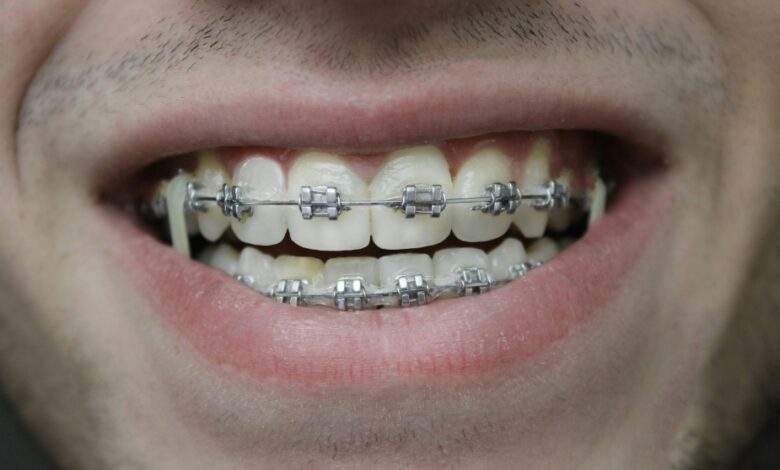
Traditional fixed braces use brackets, wires and small elastics to move teeth. They apply continuous pressure to shift teeth into alignment and are particularly effective for more complex orthodontic cases.
Fixed braces stay in place throughout treatment, which means they work all day, every day. Modern braces are also available in ceramic or tooth-coloured material, offering a more discreet appearance than older metal designs.
Appearance: Invisalign vs Braces
One of the biggest reasons adults choose Invisalign is appearance. Because the aligners are clear, most people won’t even notice you’re wearing them. This makes Invisalign ideal for adults who work in customer-facing jobs or simply prefer a low-profile orthodontic option.
Fixed braces, even ceramic ones, are more visible. Some adults don’t mind, but others prefer something more discreet. If appearance is your top priority, Invisalign has a clear advantage.
Comfort and Daily Use
Invisalign aligners are known for being comfortable. They have no metal brackets or wires, so there is little risk of irritation. Most adults get used to wearing them quickly, but fixed braces take more adjusting. They may cause discomfort after tightening appointments and can irritate the inside of the mouth until you adapt. Orthodontic wax helps, but some adults find brackets inconvenient at first. Because Invisalign is removable, eating, brushing and flossing are easier. Braces require more careful cleaning and avoiding certain foods.
Treatment Time
Treatment length depends on your individual case. Many adults complete Invisalign treatment within 6 to 18 months. Simple cases may finish even quicker.
Fixed braces often take 12 to 24 months, sometimes longer for complex alignment issues.
However, it is important to note that Invisalign requires dedication. You must wear your aligners for 20 to 22 hours a day. If not, treatment can take longer or become less effective.
Which Option Works Better for Complex Cases?
Invisalign works well for mild to moderate issues, including:
- Crowding
- Gaps
- Minor bite problems
- Rotated teeth
But for severe misalignment or complex bite issues, fixed braces may still be the better option. Braces offer more precise control over tooth movement, especially when adjusting the position of individual teeth or correcting major rotations. Your dentist or orthodontist will examine your teeth and advise which treatment will work best for your specific needs.
Eating and Lifestyle Differences
Invisalign offers more freedom when it comes to eating. To maintain your aligners, you simply remove them before meals, meaning you can enjoy all your favourite foods.
With fixed braces, hard or sticky foods should be avoided, including:
- Popcorn
- Chewing gum
- Toffees
- Crusty bread
- Hard fruits (unless cut into small pieces)
If you prefer fewer food restrictions, Invisalign may be a better choice for your lifestyle.
Oral Hygiene and Cleaning
Oral hygiene is easier with Invisalign because the aligners are removable. You can brush and floss your teeth normally, helping to reduce the risk of decay, staining or gum problems during treatment. Braces require extra care. You will need to brush around brackets and wires and use interdental brushes or floss threaders. This takes more time but is manageable with the right routine. For step-by-step cleaning instructions, the British Dental Association offers helpful advice on caring for teeth.
Regardless of which orthodontic method you choose, maintaining a consistent schedule is the most effective way to prevent plaque buildup and white spot lesions. According to this dentist in Leominster MA, using a fluoride mouthwash in addition to your mechanical cleaning can provide an extra layer of protection, ensuring your teeth remain healthy and bright once the alignment process is complete.
Costs: Invisalign vs Braces
Costs vary depending on treatment length, the complexity of your case and the clinic you choose. Invisalign is often slightly more expensive than traditional braces, but many adults feel the extra cost is worth it for the comfort and discreet appearance. Braces may be more cost-effective for complex cases because they can achieve certain movements more efficiently. Many dental practices offer payment plans or finance options to make either treatment more affordable.
Treatment Discipline and Commitment
Braces require less discipline because they stay fixed in place. You cannot remove them, so they work continuously without needing reminders.
Invisalign demands commitment. You must:
- Wear aligners 20–22 hours every day
- Remove them only for eating and drinking (except water)
- Keep them clean
- Remember to change them on schedule
Adults who can stay disciplined usually find Invisalign an excellent choice. If you prefer a treatment that works automatically, braces might suit you better.
Social and Professional Confidence
Many adults choose Invisalign because they feel more confident wearing clear aligners. They can attend meetings, events or nights out without worrying about how their teeth look during treatment. Braces are more noticeable, which is why some adults avoid them. However, ceramic braces can offer a compromise by blending more naturally with tooth colour.
Aftercare: Retainers Are Essential
Regardless of whether you choose Invisalign or fixed braces, retainers are essential after treatment. Teeth naturally move over time, so wearing retainers prevents them from shifting back. Most adults wear retainers at night long-term. This is a normal and expected part of orthodontic treatment.
Which Is Better for Adults?
Invisalign is better for adults who want a discreet, comfortable and flexible treatment that fits seamlessly into their lifestyle. Fixed braces are better for adults who need more complex correction or prefer a treatment that does not rely on daily discipline. Both options are effective and can deliver excellent results with the right guidance from your dentist.
Final Thoughts
Invisalign and fixed braces both offer strong benefits for adults wanting straighter teeth. The best choice depends on your needs, lifestyle and the complexity of your dental issues. Invisalign provides freedom, comfort and discretion, while braces offer precise control and reliability for more challenging cases.
Speaking with your dentist is the most reliable way to decide. With a full assessment, they can explain which treatment will deliver the best long-term results for your smile.