The Future of Luxury: Why Synthetic Diamonds Are Redefining Modern Jewelry
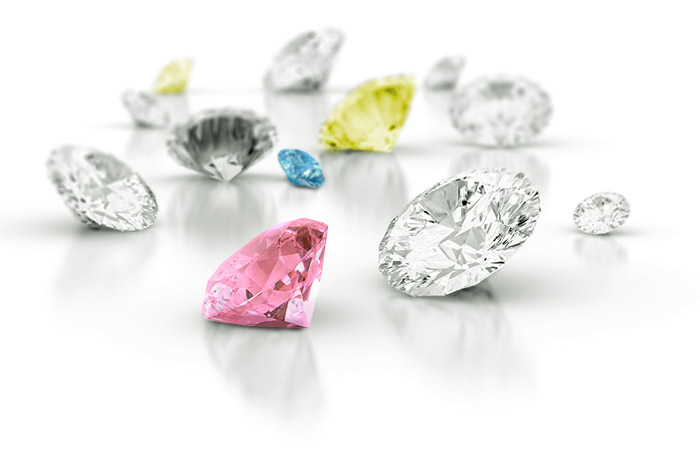
Luxury has always evolved alongside human innovation. From handcrafted gold ornaments of ancient civilizations to the precision-cut gemstones of modern jewelry houses, the story of luxury is a story of transformation. Today, a new chapter is emerging—one driven by sustainability, technology, and ethical awareness. At the center of this evolution are Synthetic Diamonds, also known as lab-grown or man-made diamonds.
As consumers become more conscious of environmental impact and ethical sourcing, lab-grown diamonds are rapidly gaining prominence in the luxury jewelry world. These remarkable gemstones offer the same brilliance and durability as mined diamonds while aligning with modern values of sustainability and responsibility.
For readers interested in learning more about this innovation in fine jewelry, you can explore the science and craftsmanship behind Madestones lab-grown diamonds, which showcase how advanced technology is reshaping the future of diamonds.
Understanding Synthetic Diamonds
What Are Synthetic Diamonds?
Synthetic diamonds are diamonds created in controlled laboratory environments using advanced technological processes that replicate the natural conditions under which diamonds form deep within the Earth.
Unlike diamond simulants such as cubic zirconia or moissanite, lab-grown diamonds are real diamonds. They share the same:
- Chemical composition: pure crystallized carbon
- Physical structure: identical crystal lattice
- Optical properties: identical brilliance, fire, and sparkle
Because of these characteristics, even professional gemologists require specialized equipment to distinguish between a mined diamond and a lab-grown one.
In essence, the difference lies only in origin, not in quality or authenticity.
The Science Behind Lab-Grown Diamonds
How Diamonds Are Created in a Laboratory
Two primary technologies are used to produce synthetic diamonds:
1. High Pressure High Temperature (HPHT)
This method replicates the intense heat and pressure found deep inside the Earth’s mantle.
- Carbon is placed in a specialized chamber.
- Extreme pressure and heat are applied.
- Carbon atoms crystallize into diamond structures.
HPHT technology closely mimics natural geological processes, producing high-quality gemstones suitable for fine jewelry.
2. Chemical Vapor Deposition (CVD)
CVD is a newer and increasingly popular method that grows diamonds layer by layer.
- A thin diamond seed is placed in a chamber filled with carbon-rich gas.
- The gas is heated until carbon atoms separate.
- These atoms gradually deposit onto the seed crystal, forming a diamond.
CVD allows for precise control over diamond growth and is commonly used to create high-quality colored diamonds.
Why Synthetic Diamonds Are Transforming the Jewelry Industry
A CO₂-Neutral Alternative
Traditional diamond mining is resource-intensive. It involves large-scale excavation, land disruption, and significant energy consumption.
Synthetic diamonds offer a much more environmentally responsible alternative.
Benefits include:
- Reduced carbon footprint
- Minimal land disturbance
- Lower water usage
- Traceable production processes
Many modern diamond producers focus on CO₂-neutral manufacturing, aligning luxury with environmental responsibility.
Ethical Transparency
One of the biggest concerns in the traditional diamond industry has been ethical sourcing. While major improvements have been made through initiatives like the Kimberley Process, questions about conflict diamonds and labor practices remain part of the industry’s history.
Lab-grown diamonds remove these concerns entirely.
Because they are created in controlled environments:
- Their origin is fully traceable
- No mining communities are displaced
- There is no association with conflict zones
This transparency resonates strongly with a new generation of consumers who prioritize ethical luxury.
Luxury Without the Premium Price Tag
Perhaps one of the most compelling advantages of synthetic diamonds is their affordability.
Lab-grown diamonds can be significantly more cost-effective than mined diamonds. In many cases, particularly with colored diamonds, prices can be 70–80% lower than natural stones of similar size and quality.
This price difference allows consumers to:
- Choose larger carat sizes
- Select rare colored diamonds
- Invest in more intricate jewelry designs
Without compromising beauty or quality, buyers gain access to luxury that was once out of reach for many.
The Rise of Colored Lab-Grown Diamonds
Colored diamonds have long captivated collectors and jewelry enthusiasts. Natural colored diamonds—such as blue, pink, or yellow stones—are among the rarest gemstones in the world.
However, lab-grown technology has made these stunning colors far more accessible.
Common lab-grown diamond colors include:
- Canary yellow
- Vivid blue
- Romantic pink
- Champagne tones
- Green and fancy hues
These diamonds maintain the same brilliance and hardness (10 on the Mohs scale) as traditional diamonds while offering extraordinary design possibilities.
A New Era of Jewelry Design
Designers and luxury brands are increasingly embracing lab-grown diamonds for their versatility and sustainability.
Modern jewelry collections now feature synthetic diamonds in:
- Engagement rings
- High-fashion necklaces
- Elegant earrings
- Contemporary bracelets
- Custom luxury pieces
Because the supply chain is more predictable and ethical, designers can experiment with bold concepts and innovative gemstone arrangements.
For manufacturers and retailers seeking responsible sourcing, working with a trusted Diamond Distributor specializing in lab-grown diamonds ensures consistent quality and transparency.
Debunking Common Myths About Lab-Grown Diamonds
Despite their growing popularity, several misconceptions still surround synthetic diamonds.
Myth 1: They Are Not Real Diamonds
Fact: Lab-grown diamonds are chemically and physically identical to mined diamonds.
Myth 2: They Do Not Last
Fact: Diamonds grown in laboratories have the same hardness and durability as natural diamonds.
Myth 3: They Look Different
Fact: To the naked eye—and even under most magnification—synthetic diamonds look exactly the same as mined diamonds.
Myth 4: They Have No Luxury Value
Fact: Luxury today is increasingly defined by innovation, sustainability, and ethical responsibility—qualities that lab-grown diamonds embody.
The Future of Diamonds: Sustainability Meets Innovation
The global jewelry industry is undergoing a profound transformation. Consumers are no longer focused solely on prestige; they are also considering:
- Environmental impact
- Ethical sourcing
- Technological innovation
- Transparency in supply chains
Lab-grown diamonds represent a convergence of all these values.
Industry analysts predict that synthetic diamonds will continue gaining market share over the coming decade, especially among younger consumers who seek responsible luxury.
As technology improves, production methods will become even more efficient, further reducing environmental impact and expanding creative possibilities for jewelry designers.
Why Synthetic Diamonds Represent Modern Luxury
The definition of luxury has changed dramatically in the 21st century. True luxury now encompasses more than rarity—it reflects purpose, responsibility, and innovation.
Synthetic diamonds embody this evolution by offering:
- Identical beauty and brilliance to mined diamonds
- Ethical and conflict-free sourcing
- CO₂-neutral production possibilities
- Greater accessibility and affordability
- Limitless design potential
For individuals who value both elegance and sustainability, lab-grown diamonds represent the future of fine jewelry.
They prove that luxury can be both beautiful and responsible—a sparkling example of how technology and ethics can redefine an entire industry.