Can Altering the Microscopic Topography of Factory Equipment Actually Prevent Bacterial Outbreaks?
When we imagine a modern, commercial food manufacturing facility, the picture that comes to mind is one of sterile, gleaming perfection. We picture endless rows of pristine stainless steel vats, conveyor belts, and mixing blades, all washed down daily with high-pressure hoses and harsh sanitizers.
Stainless steel is the undisputed king of the modern commercial kitchen and factory. It is durable, non-corrosive, and looks exceptionally clean to the naked eye. However, the human eye is easily deceived. If we look at that same gleaming steel under a powerful electron microscope, a terrifying landscape emerges.
At the microscopic level, polished stainless steel is not flat. It is a jagged, chaotic mountain range of peaks, valleys, craters, and fissures. For a human, these imperfections are invisible. But for a microscopic pathogen like Salmonella, E. coli, or Listeria, these microscopic valleys are the perfect place to hide, multiply, and launch a catastrophic foodborne outbreak.
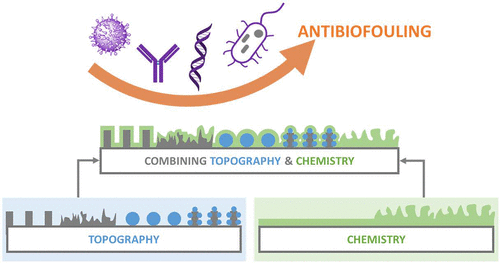
To win the war against food contamination, engineers are no longer just relying on stronger chemical cleaners; they are fundamentally altering the microscopic topography of the machinery itself.
The Threat of the Biofilm
The primary danger in food manufacturing is not a single, floating bacterium. The danger is the formation of a biofilm.
When raw food products—especially proteins, fats, and sticky sugars—pass over uncoated stainless steel, microscopic amounts of that organic matter get trapped in the metal’s invisible fissures. Bacteria quickly colonize this trapped food. Once established, these bacterial colonies secrete a slimy, glue-like extracellular matrix.
This matrix acts as a biological shield. It anchors the bacteria tightly to the steel and protects them from standard industrial cleaning protocols. A facility can pump scalding hot water and caustic bleach through their pipes, but the biofilm acts like a bunker, allowing the pathogens underneath to survive, multiply, and cross-contaminate the next batch of food that passes by.
The Physics of Surface Energy
You cannot scrub away a microscopic threat if your tools cannot reach into the microscopic valleys. The solution is to prevent the organic matter and bacteria from sticking to the metal in the first place. This is achieved through the manipulation of surface energy.
Surface Energy is a measurement of how molecularly “eager” a solid surface is to bond with a liquid or solid. High surface energy materials (like bare steel) pull liquids flat, causing them to spread and stick. Low surface energy materials push liquids away, causing them to bead up and roll off.
By applying highly engineered food processing coatings—such as specialized fluoropolymers or silicone matrices—metallurgists can drastically lower the surface energy of industrial machinery.
These applied layers do two critical things. First, they physically fill in the microscopic valleys and craters of the stainless steel, creating a topography that is genuinely smooth at the molecular level. Second, they create a hydrophobic (water-repelling) and oleophobic (oil-repelling) barrier.
When sticky dough, melted cheese, or raw meat comes into contact with this treated surface, the friction coefficient is so low that the food simply glides off. The proteins and sugars have no physical craters to sink into and no chemical anchors to grab onto.
The Environmental and Economic Ripple Effect
The implications of subverting this microscopic friction extend far beyond food safety; they fundamentally alter the economics and environmental footprint of the entire facility.
In a standard facility utilizing raw stainless steel, the daily “Clean-In-Place” (CIP) process is brutally resource-intensive. Halting production to manually scrub hoppers and pump thousands of gallons of boiling water and harsh caustic soda through the pipelines is incredibly expensive.
When machinery is engineered with low surface energy, the entire cleaning paradigm shifts.
- Water Conservation: Because food residue cannot adhere to the machinery, facilities can reduce their washout water usage by up to 50%.
- Chemical Reduction: The need for highly toxic, environmentally damaging degreasers is nearly eliminated. A simple, mild detergent rinse is often sufficient to wash away the unanchored residue.
- Increased Yield: When thousands of pounds of product stop clinging to the walls of the mixing vats, product yield increases, drastically reducing the amount of usable food that is washed down the drain.
Conclusion
The next time you purchase a perfectly uniform loaf of bread, a block of cheese, or a bag of commercial candy, consider the invisible physics that made it possible. Ensuring the safety of the global food supply chain requires more than just vigilant inspectors and strong bleach. It requires outsmarting pathogens at the molecular level. By understanding and manipulating surface topography, industrial engineers have proven that the best way to clean a surface is to ensure nothing can stick to it in the first place.