Stem Cell Myelofibrosis Treatment and Procedures: A Complete Patient Guide
Living with myelofibrosis can feel overwhelming at first. Many people struggle with fatigue, bone pain, and daily discomfort. The good news is that medical science continues to improve treatment options every year. One area getting serious attention is stem cell therapy. Doctors and researchers now see it as one of the most promising approaches for long-term disease management.
In this guide, you will learn how stem cell treatment works, who may benefit from it, and what procedures are involved. We will also discuss risks, recovery, and future advancements. Everything is explained in a simple and friendly way so you can understand the process clearly.
What Is Myelofibrosis?
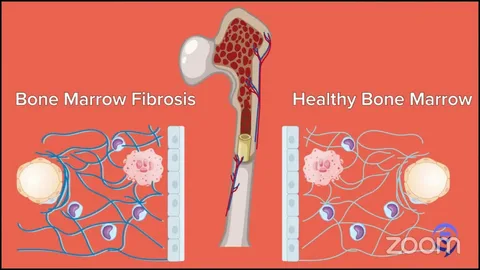
Myelofibrosis is a rare blood cancer that affects the bone marrow. The bone marrow slowly becomes scarred over time. Because of this scarring, the body struggles to produce healthy blood cells properly.
Many people with myelofibrosis experience symptoms that slowly become worse. These symptoms often include weakness, night sweats, enlarged spleen, weight loss, and shortness of breath. Some patients may not notice symptoms in the beginning. Others may experience major health challenges early on.
Doctors classify myelofibrosis as a type of myeloproliferative neoplasm. This means the body creates blood cells in an abnormal way. In many cases, gene mutations like JAK2, CALR, or MPL play a role in the disease.
Understanding the condition is important before exploring Stem Cell Myelofibrosis treatment options.
Understanding Stem Cell Therapy for Myelofibrosis
Stem cell therapy is considered the only potential cure for myelofibrosis today. Doctors often call this procedure a stem cell transplant or bone marrow transplant.
The treatment replaces damaged bone marrow with healthy stem cells. These healthy cells can create new blood cells and restore better bone marrow function. The process sounds complex, but the main goal is simple. Doctors want the body to start making healthy blood again.
There are two main types of stem cell transplants used in medicine:
Autologous Stem Cell Transplant
In this procedure, doctors use the patient’s own stem cells. However, this method is rarely used for myelofibrosis because the patient’s cells may already carry disease-related mutations.
Allogeneic Stem Cell Transplant
This is the most common approach for Stem Cell Myelofibrosis treatment. Healthy stem cells come from a donor. The donor may be a sibling, family member, or unrelated match.
This procedure offers the best chance for long-term remission or cure.
How Stem Cell Myelofibrosis Treatment Works
The process involves several stages. Each step is carefully planned by a specialized medical team. Patients usually spend weeks preparing before the transplant begins.
Initial Medical Evaluation
Doctors first evaluate whether the patient is healthy enough for transplantation. They check several important factors, including:
- Age
- Overall health
- Disease stage
- Heart and lung function
- Infection risk
- Donor availability
Not every patient qualifies immediately for stem cell therapy. Some people may respond better to medications before transplant preparation begins.
Finding a Stem Cell Donor
Finding the right donor is extremely important. Doctors perform blood tests called HLA typing to find compatible tissue matches.
Siblings often provide the best matches. However, many patients successfully receive donor cells from unrelated individuals through donor registries.
The better the match, the lower the risk of complications later.
Conditioning Treatment
Before receiving healthy stem cells, patients go through conditioning therapy. This stage uses chemotherapy and sometimes radiation.
The purpose is to destroy damaged bone marrow cells and reduce immune rejection. It also creates space for the new stem cells to grow.
Conditioning can feel physically demanding. Patients often experience tiredness, nausea, and temporary weakness during this phase.
Stem Cell Infusion
Once preparation is complete, doctors infuse healthy stem cells into the bloodstream. The procedure itself looks similar to a blood transfusion.
The stem cells travel naturally into the bone marrow. Over time, they begin creating healthy blood cells inside the body.
Many patients are surprised that the infusion process itself is usually painless.
Recovery and Monitoring
Recovery takes time and patience. Doctors closely monitor patients for several weeks or months after transplant.
Blood counts are checked regularly. Patients also receive medications to prevent infections and immune complications.
Most people need strong emotional and physical support during recovery. Family care and medical follow-up play a major role in success.
Who Is a Good Candidate for Stem Cell Treatment?
Stem Cell Myelofibrosis treatment is not suitable for every patient. Doctors carefully weigh risks and benefits before recommending transplantation.
Patients with aggressive disease often benefit the most. Younger patients usually tolerate the procedure better than older adults. However, age alone does not decide eligibility anymore.
Many treatment centers now successfully transplant older patients using reduced-intensity conditioning methods. These approaches use lower chemotherapy doses and improve safety.
Doctors may recommend stem cell transplant if patients have:
- High-risk myelofibrosis
- Severe symptoms
- Rapid disease progression
- Poor blood counts
- Enlarged spleen
- High-risk genetic mutations
Each patient receives an individualized treatment plan based on medical needs.
Benefits of Stem Cell Myelofibrosis Treatment
Stem cell transplant offers several important advantages for eligible patients. While risks exist, the benefits can be life-changing for many individuals.
Potential Cure
This remains the biggest advantage. Most other treatments only manage symptoms. Stem cell transplant may completely remove diseased marrow cells.
Improved Blood Cell Production
Healthy donor cells help restore normal blood production. Patients often experience improved energy and reduced transfusion dependence afterward.
Better Quality of Life
Successful transplantation may reduce symptoms like fatigue, spleen discomfort, and night sweats. Many patients regain daily independence over time.
Longer Survival
For high-risk patients, transplantation can significantly improve long-term survival compared to supportive treatment alone.
Risks and Complications of Stem Cell Therapy
Every major medical procedure carries some risks. Stem cell transplantation is no exception. Understanding these risks helps patients make informed decisions.
Graft-Versus-Host Disease
This complication happens when donor immune cells attack the patient’s body. It may affect the skin, liver, or digestive system.
Doctors use immune-suppressing medications to reduce this risk.
Infection Risk
After transplant, the immune system becomes very weak temporarily. Patients are more vulnerable to bacterial, viral, and fungal infections during recovery.
Organ Complications
Chemotherapy and radiation may affect organs like the liver, kidneys, or lungs in some cases.
Graft Failure
Sometimes donor cells fail to grow properly inside the bone marrow. This situation may require additional treatment or another transplant.
Despite these risks, many patients still choose Stem Cell Myelofibrosis treatment because of its long-term potential.
New Advances in Stem Cell Myelofibrosis Research
Medical science continues improving transplant safety and success rates. Researchers now focus on personalized approaches and targeted therapies.
Several exciting advancements include:
Reduced-Intensity Transplants
These procedures use milder chemotherapy. Older adults and medically fragile patients may tolerate them better.
Better Donor Matching Technology
Advanced genetic testing now improves donor compatibility and lowers complication rates.
JAK Inhibitor Therapy Before Transplant
Doctors sometimes use medications like ruxolitinib before transplantation. These drugs help reduce spleen size and inflammation.
Improved Supportive Care
Modern infection prevention, nutrition support, and rehabilitation programs continue improving patient outcomes.
Research in Stem Cell Myelofibrosis treatment keeps moving forward every year.
Recovery After Stem Cell Treatment
Recovery does not happen overnight. Most patients need several months before regaining normal strength and energy.
The first few weeks usually involve frequent Liv Hospital visits. Doctors monitor blood counts, immune function, and signs of complications closely.
Patients often feel emotionally exhausted during this period. Support from loved ones becomes extremely important.
Nutrition and Hydration
Eating healthy foods helps the body heal faster. Doctors often recommend protein-rich meals, hydration, and safe food handling practices.
Physical Activity
Gentle movement and walking can improve recovery speed. Patients should avoid heavy exercise until approved by doctors.
Mental Health Support
Long recovery periods sometimes create anxiety or depression. Counseling and support groups may help patients cope emotionally.
Alternative Treatments for Myelofibrosis
Not every patient undergoes stem cell transplant immediately. Some people manage symptoms successfully for years using other therapies.
Common treatment options include:
JAK Inhibitors
These medications help reduce inflammation and spleen enlargement. Ruxolitinib remains one of the most commonly prescribed drugs.
Blood Transfusions
Patients with severe anemia may require transfusions regularly.
Radiation Therapy
Radiation may help shrink an enlarged spleen temporarily.
Clinical Trials
Many hospitals offer access to experimental therapies and newer treatment combinations.
Doctors often combine multiple approaches depending on disease severity and patient health.
Questions Patients Should Ask Before Stem Cell Treatment
Making decisions about Stem Cell Myelofibrosis treatment can feel stressful. Asking the right questions helps patients feel more confident.
Important questions include:
- What are my chances of success?
- What complications should I expect?
- How long is recovery?
- Will I need a caregiver?
- What lifestyle changes are necessary?
- Are there clinical trials available?
- How experienced is the transplant center?
Open communication with doctors helps patients prepare emotionally and physically.
Emotional Challenges During the Treatment Journey
Many people focus only on physical symptoms. However, emotional health matters just as much during myelofibrosis treatment.
Fear, uncertainty, and stress are very common. Patients may worry about survival, finances, or long recovery periods.
Families also experience emotional pressure during treatment. Honest conversations and emotional support become essential during difficult moments.
Joining support groups often helps patients feel less alone. Hearing real experiences from others can provide comfort and encouragement.
Lifestyle Tips for Myelofibrosis Patients
Daily habits can make a meaningful difference during treatment and recovery.
Eat Balanced Meals
Healthy meals support immunity and improve strength during recovery.
Stay Active
Short walks and light movement improve circulation and reduce weakness.
Protect Against Infection
Hand washing and avoiding crowded areas become especially important after transplant.
Attend Every Follow-Up Visit
Regular appointments help doctors catch complications early.
Prioritize Rest
The body heals better when patients get enough sleep and recovery time.
These small habits can support better long-term outcomes.
The Future of Stem Cell Myelofibrosis Treatment
The future looks promising for myelofibrosis patients. Researchers continue developing safer and more effective therapies.
Gene-based treatments may eventually improve transplant precision. Scientists also study ways to reduce graft-versus-host disease further.
Artificial intelligence now helps doctors predict transplant outcomes more accurately. Personalized medicine may soon improve survival rates even more.
As research grows, patients continue gaining access to better treatment opportunities worldwide.
Final Thoughts
Living with myelofibrosis can feel challenging, but treatment options continue improving every year. Stem cell transplant remains the most powerful option for eligible patients seeking long-term disease control or cure.
Understanding the full Stem Cell Myelofibrosis treatment process helps patients make informed decisions with confidence. From donor matching to recovery, every stage plays an important role in success.
Most importantly, patients should never face this journey alone. Experienced doctors, supportive families, and trusted medical teams can make the process easier and more hopeful.