10 Signs Your Moisture Analyzer Needs Professional Service (Before It Fails)
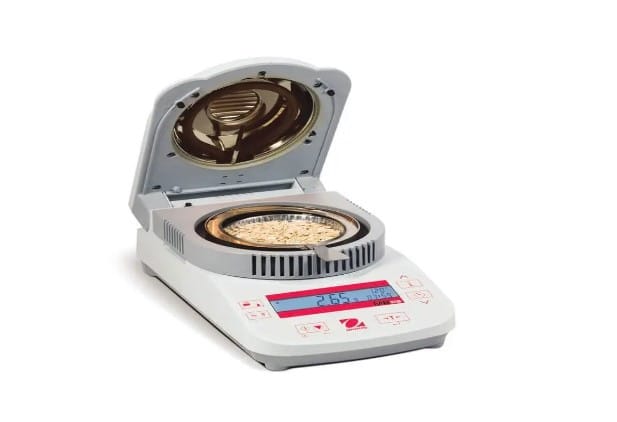
Moisture analyzers operate as critical quality control instruments across manufacturing, food processing, pharmaceuticals, and materials testing facilities. These precision devices measure water content in samples through thermogravimetric analysis, halogen heating, or infrared technology. When they function properly, they ensure product consistency, regulatory compliance, and process reliability. When they begin to fail, the consequences extend far beyond inaccurate readings.
Equipment failure in laboratory and production environments creates cascading problems. Batch rejections increase costs and delay deliveries. Regulatory audits become more complex when measurement data lacks integrity. Production schedules face disruption while replacement equipment is sourced and calibrated. Understanding the early warning signs of moisture analyzer degradation allows facility managers and quality control professionals to address problems before they escalate into operational crises.
Temperature Inconsistencies Signal Internal Problems
Moisture analyzers depend on precise temperature control to drive water from samples and calculate moisture content accurately. Internal heating elements, temperature sensors, and control circuits work together to maintain stable thermal conditions throughout each measurement cycle. When this thermal system begins to deteriorate, the analyzer cannot deliver reliable results.
Temperature fluctuations often indicate failing heating elements, degraded sensor calibration, or control system malfunctions. These issues develop gradually but compound over time. A service moisture analyzer program addresses thermal inconsistencies before they compromise measurement accuracy across entire production runs.
Heating Element Degradation
Halogen lamps and infrared heating elements experience wear from repeated thermal cycling. Over thousands of measurement cycles, filaments weaken and heating surfaces accumulate residue from sample vapors. This degradation reduces heat transfer efficiency and creates uneven temperature distribution across the sample chamber. The analyzer may still complete measurements, but the thermal energy applied to samples becomes inconsistent, leading to unrepeatable results.
Sensor Drift and Calibration Loss
Temperature sensors lose calibration accuracy through exposure to repeated heating cycles and environmental conditions. Thermocouples and resistance temperature detectors shift their reference points gradually, causing the control system to maintain incorrect temperatures. This drift occurs slowly enough that operators may not notice immediate changes in routine samples, but comparative testing reveals significant measurement variations over time.
Balance Performance Issues Affect Measurement Precision
The analytical balance integrated into moisture analyzers must maintain exceptional precision throughout the heating and cooling cycles that define each measurement. These sensitive instruments detect weight changes as small as milligrams while sample temperatures rise and fall. Environmental factors, mechanical wear, and electronic drift all compromise balance performance over time.
Balance problems manifest as measurement repeatability issues, zero drift, and sensitivity loss. Sample preparation procedures may appear identical, but results vary beyond acceptable limits. Calibration checks with reference weights reveal inconsistencies that indicate internal balance component failure or environmental interference.
Mechanical Component Wear
Balance mechanisms include pivot points, springs, and electromagnetic force restoration systems that experience wear from continuous operation. Sample loading and removal cycles create mechanical stress on weighing platforms and support structures. Over time, these components develop play or binding that affects weight measurement accuracy. The analyzer may still display results, but the underlying balance cannot maintain the precision required for reliable moisture determination.
Electronic Drift in Signal Processing
Analog-to-digital converters, amplifiers, and signal conditioning circuits in analytical balances drift from their original specifications as electronic components age. Temperature variations within the analyzer housing compound this drift, causing measurement circuits to respond differently to identical weight loads. This electronic degradation creates systematic errors that affect all measurements but may not trigger obvious alarms or error messages.
Sample Chamber Contamination Compromises Results
Moisture analyzer sample chambers must remain clean to ensure accurate heat transfer and prevent cross-contamination between measurements. Residue from previous samples, dust accumulation, and chemical deposits on chamber surfaces interfere with thermal performance and introduce measurement errors. Regular cleaning helps, but some contamination occurs in areas that standard maintenance procedures cannot address effectively.
Sample chamber problems appear as erratic results, longer measurement times, and visible residue on chamber components. Materials with high sugar content, volatile compounds, or fine particle sizes create particularly challenging contamination situations that require professional cleaning techniques and specialized tools.
Thermal Surface Degradation
Repeated exposure to high temperatures and sample vapors causes sample chamber surfaces to develop oxidation, pitting, or chemical etching. These surface changes create hot spots and cold zones that distribute heat unevenly across samples. The analyzer continues to operate, but thermal performance becomes unpredictable, especially with samples that require precise temperature control for accurate moisture measurement.
Vapor Path Obstruction
Moisture vapor generated during analysis must exit the sample chamber through designed ventilation paths. Over time, these paths accumulate residue that restricts airflow and creates pressure imbalances within the chamber. Restricted vapor removal affects the drying process and can cause moisture to condense on internal surfaces, leading to measurement errors and potential corrosion of sensitive components.
Control System Malfunctions Create Operational Problems
Modern moisture analyzers rely on sophisticated control systems that manage heating profiles, monitor sensor inputs, and calculate results from multiple data streams. These systems include microprocessors, memory modules, and communication interfaces that can fail or become corrupted over extended operation periods. Control system problems often appear intermittently, making them difficult to diagnose without specialized technical knowledge.
Software glitches, memory corruption, and communication errors create symptoms that range from minor display issues to complete operational failure. The National Institute of Standards and Technology emphasizes the importance of maintaining measurement system integrity through regular performance verification and professional service procedures.
Memory and Data Storage Issues
Moisture analyzers store calibration data, measurement methods, and historical results in internal memory systems. Flash memory, EEPROM, and battery-backed RAM can develop errors that corrupt stored information. When calibration data becomes corrupted, the analyzer may produce results that appear normal but lack accuracy. Method parameters may change unexpectedly, creating inconsistencies in routine measurements that operators cannot easily identify.
Communication and Interface Problems
Laboratory information management systems and quality control databases depend on reliable data transfer from moisture analyzers. Communication interface failures create gaps in data logging, prevent remote monitoring, and complicate regulatory documentation requirements. These problems may not affect individual measurements but compromise the data integrity that supports quality control decisions and regulatory compliance.
Environmental Impact on Analyzer Performance
Moisture analyzers operate in laboratory and production environments that subject them to temperature variations, humidity fluctuations, vibration, and airborne contaminants. While these instruments are designed to function under normal environmental conditions, prolonged exposure to adverse conditions accelerates component wear and affects measurement accuracy. Environmental factors often combine with equipment aging to create performance problems that require professional attention.
Facility conditions such as inadequate climate control, vibration from nearby equipment, and chemical vapors from production processes all influence analyzer performance. These external factors interact with internal component wear to create complex problems that standard maintenance procedures cannot address effectively.
Temperature and Humidity Effects
Laboratory temperature fluctuations affect the thermal baseline that moisture analyzers use for measurement calculations. Ambient humidity influences the equilibrium moisture content in hygroscopic samples and can affect balance performance through condensation on sensitive components. Combined temperature and humidity variations create measurement drift that appears as systematic bias in routine quality control samples.
Vibration and Mechanical Interference
Precision analytical balances within moisture analyzers are sensitive to vibration from building systems, nearby equipment, and foot traffic. Chronic vibration exposure can cause mechanical components to loosen, wear prematurely, or shift from their original alignment. These effects accumulate over time and may not become apparent until measurement repeatability degrades beyond acceptable limits for critical applications.
Conclusion
Recognition of moisture analyzer service indicators prevents equipment failure from disrupting production schedules and compromising quality control programs. Temperature inconsistencies, balance performance issues, sample chamber contamination, control system malfunctions, and environmental impacts all signal the need for professional service intervention. Addressing these warning signs before they escalate into complete equipment failure protects measurement accuracy, maintains regulatory compliance, and preserves operational efficiency. Professional service programs provide the technical expertise and specialized tools necessary to restore analyzer performance and extend equipment service life in demanding industrial and laboratory environments.