OEM vs Aftermarket vs Wholesale: The Complete Headphone Parts Cost Breakdown for Audio Brands
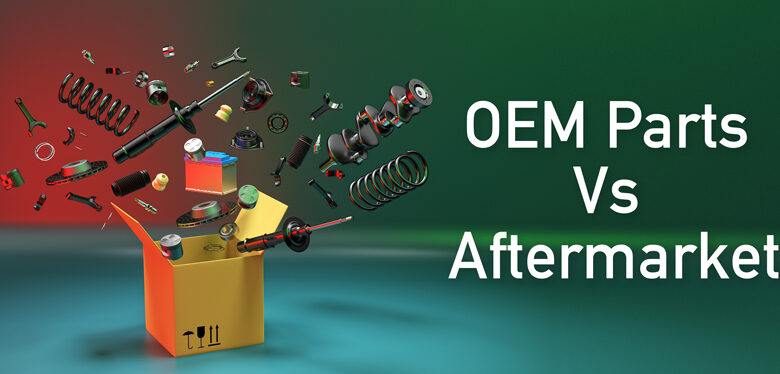
Audio manufacturers face mounting pressure to balance product quality with cost efficiency while maintaining reliable supply chains. Component sourcing decisions directly impact production schedules, warranty obligations, and long-term profitability. When headphone drivers fail, cables deteriorate, or housing components crack, brands must choose between original equipment manufacturer parts, aftermarket alternatives, or wholesale procurement strategies.
Each sourcing approach carries distinct cost structures, quality implications, and supply chain risks. Original equipment parts typically ensure compatibility but command premium pricing. Aftermarket components offer cost savings but introduce quality variables. Wholesale procurement provides volume advantages while requiring careful vendor evaluation. Understanding these trade-offs becomes essential as production volumes increase and margins tighten across the audio industry.
Understanding Original Equipment Manufacturer Parts Pricing
Original equipment manufacturer parts represent components sourced directly from the companies that produced the original headphone assembly. These parts maintain exact specifications, tolerances, and material compositions as the initial production run. For headphone parts wholesale operations, OEM components typically cost 40-60% more than aftermarket alternatives due to controlled manufacturing processes and guaranteed compatibility.
OEM pricing reflects the cost of maintaining precise manufacturing standards and quality control systems. Original manufacturers invest in specialized tooling, material certifications, and testing protocols that ensure consistent performance. This infrastructure overhead translates into higher per-unit costs but reduces the risk of component failure or acoustic performance degradation.
Quality Control and Warranty Implications
OEM parts undergo the same testing protocols as original production components, ensuring predictable acoustic characteristics and mechanical durability. Manufacturers can maintain existing warranty terms when using genuine parts for repairs or refurbishment. This consistency proves valuable for brands that prioritize long-term customer relationships and reputation management.
Quality control extends beyond individual component performance to include batch consistency and traceability. OEM suppliers maintain detailed records of material sources, production dates, and quality test results. This documentation supports warranty claims and helps identify potential issues before they affect customer satisfaction.
Supply Chain Reliability and Lead Times
Original manufacturers typically maintain established supply chains with predictable lead times and inventory availability. However, OEM parts often face longer procurement cycles, particularly for discontinued models or specialized components. Brands may experience supply disruptions when original manufacturers shift focus to newer product lines or discontinue legacy component production.
The reliability of OEM supply chains depends heavily on the original manufacturer’s business priorities and market position. Established audio companies generally maintain better parts availability than smaller manufacturers or brands that have exited specific market segments.
Aftermarket Component Cost Analysis
Aftermarket parts encompass components manufactured by third-party companies to replace or substitute original equipment parts. These manufacturers reverse-engineer original specifications or develop functional equivalents that maintain basic compatibility while reducing production costs. Aftermarket pricing typically runs 30-50% below OEM levels, making them attractive for high-volume repair operations and budget-conscious refurbishment projects.
Cost advantages in aftermarket components stem from streamlined manufacturing processes, alternative material choices, and reduced testing overhead. Third-party manufacturers often focus on core functionality rather than exact specification matching, allowing for design simplifications that reduce material and labor costs.
Performance Variation and Quality Ranges
Aftermarket parts exhibit wider performance variation than OEM components due to different manufacturing tolerances and quality control standards. High-quality aftermarket suppliers may achieve performance levels comparable to original parts, while lower-tier manufacturers may sacrifice acoustic accuracy or mechanical durability for cost reduction.
The range of aftermarket quality creates both opportunities and risks for audio brands. Careful supplier evaluation and sample testing can identify aftermarket sources that deliver acceptable performance at significant cost savings. However, inadequate vetting may result in customer complaints, increased return rates, or warranty issues that offset initial cost benefits.
Compatibility and Integration Challenges
Aftermarket components may require minor modifications or adjustments to achieve proper fit and function within existing headphone assemblies. Dimensional variations, connector differences, or material property changes can complicate installation and affect long-term reliability. These compatibility issues often require additional labor time or specialized tools that reduce overall cost savings.
Integration challenges become more complex with sophisticated headphone designs that incorporate active noise cancellation, wireless connectivity, or advanced driver technologies. Aftermarket suppliers may lack the technical expertise or testing capabilities to replicate complex electronic interfaces or proprietary acoustic designs.
Wholesale Procurement Strategies and Volume Economics
Wholesale procurement involves purchasing components in large quantities directly from manufacturers or authorized distributors to achieve volume-based pricing advantages. This approach works effectively for high-volume repair operations, refurbishment programs, or brands that service multiple headphone models with shared components. Volume commitments typically reduce per-unit costs by 20-40% compared to small-quantity purchases.
Successful wholesale strategies require accurate demand forecasting and inventory management capabilities. Brands must balance the cost savings from volume purchases against the risks of excess inventory, component obsolescence, and cash flow impacts. According to U.S. Census Bureau business economics data, wholesale trade operations achieve efficiency through scale economies and specialized distribution networks.
Inventory Management and Cash Flow Considerations
Wholesale purchasing requires significant upfront capital investment and warehouse space to store component inventory. Brands must calculate carrying costs, including storage fees, insurance, and potential obsolescence expenses, against volume discount savings. Effective inventory management systems become essential to track component usage rates, identify slow-moving stock, and optimize reorder timing.
Cash flow implications extend beyond initial purchase costs to include financing expenses and opportunity costs of tied-up capital. Brands with limited working capital may find that wholesale savings are offset by borrowing costs or missed opportunities to invest in other business areas.
Supplier Relationship Development
Wholesale relationships often provide access to technical support, custom packaging, and priority allocation during supply shortages. Established wholesale partners may offer flexible payment terms, consignment arrangements, or vendor-managed inventory programs that reduce administrative overhead and improve cash flow management.
Long-term wholesale partnerships can evolve to include value-added services such as component testing, quality certification, or custom modification capabilities. These relationships become particularly valuable when dealing with specialized or hard-to-source components that require technical expertise or industry connections.
Total Cost of Ownership Analysis
Total cost of ownership extends beyond initial component pricing to include installation labor, testing requirements, warranty exposure, and potential customer service impacts. OEM parts typically minimize these secondary costs through guaranteed compatibility and proven reliability, while aftermarket components may require additional quality control measures or generate increased support requests.
Labor costs for component installation vary significantly based on part complexity and compatibility factors. OEM parts generally install with minimal adjustments or modifications, reducing technician time and potential errors. Aftermarket components may require additional fitting, testing, or troubleshooting that increases total labor costs despite lower parts pricing.
Risk Assessment and Quality Costs
Quality costs include inspection expenses, defect rates, customer returns, and warranty claims associated with different sourcing strategies. OEM parts typically generate lower quality costs due to established reliability records, while aftermarket components may require additional testing and quality control measures to maintain acceptable defect rates.
Risk assessment must consider the potential impact of component failures on brand reputation and customer relationships. Premium audio brands may find that aftermarket-related quality issues damage their market position more than the cost savings justify, while budget-focused operations may accept higher defect rates in exchange for significant cost reductions.
Long-term Strategic Implications
Sourcing decisions affect long-term business relationships with original manufacturers, distributors, and customers. Consistent use of aftermarket parts may strain relationships with OEM suppliers and limit access to technical support or future product information. Conversely, exclusive reliance on OEM parts may create supply chain vulnerabilities and limit cost competitiveness.
Strategic sourcing often involves developing multiple supplier relationships and maintaining flexibility to adjust procurement strategies based on market conditions, volume requirements, and quality standards. This approach requires more complex supplier management but provides greater resilience against supply disruptions and cost fluctuations.
Implementation Recommendations for Audio Brands
Effective parts sourcing requires a systematic evaluation of component criticality, volume requirements, and quality standards. Critical components that directly affect acoustic performance or safety should prioritize OEM sourcing to minimize performance risks. Non-critical components such as cables, padding, or basic hardware may successfully utilize aftermarket sources to reduce costs without compromising core product functionality.
Volume analysis helps determine optimal procurement strategies for different component categories. High-usage items benefit from wholesale purchasing arrangements, while specialty or low-volume parts may be more cost-effective through traditional distribution channels. Regular volume reviews ensure that procurement strategies remain aligned with actual business needs and market conditions.
Supplier Qualification and Performance Monitoring
Comprehensive supplier qualification processes should evaluate manufacturing capabilities, quality systems, financial stability, and technical support resources. Regular performance monitoring through defect tracking, delivery metrics, and customer feedback helps identify supplier issues before they impact business operations or customer satisfaction.
Performance monitoring systems should track both quantitative metrics such as defect rates and delivery performance, as well as qualitative factors like responsiveness, technical support quality, and problem resolution capabilities. This comprehensive approach ensures that cost savings do not come at the expense of operational effectiveness or customer service quality.
Conclusion
Headphone parts sourcing decisions require careful balance between cost optimization and operational risk management. OEM components provide reliability and compatibility advantages that justify premium pricing for critical applications and quality-focused brands. Aftermarket alternatives offer significant cost savings but require thorough supplier evaluation and quality control measures to maintain acceptable performance standards.
Wholesale procurement strategies can enhance cost effectiveness across all sourcing approaches, provided brands can manage the inventory and cash flow requirements effectively. The most successful audio companies typically employ hybrid strategies that match sourcing approaches to specific component requirements, volume levels, and quality standards. Regular evaluation and adjustment of these strategies ensures continued competitiveness while maintaining the reliability and performance standards that customers expect.