Why Open, Airy Bathrooms Are Taking Over South Florida Interiors
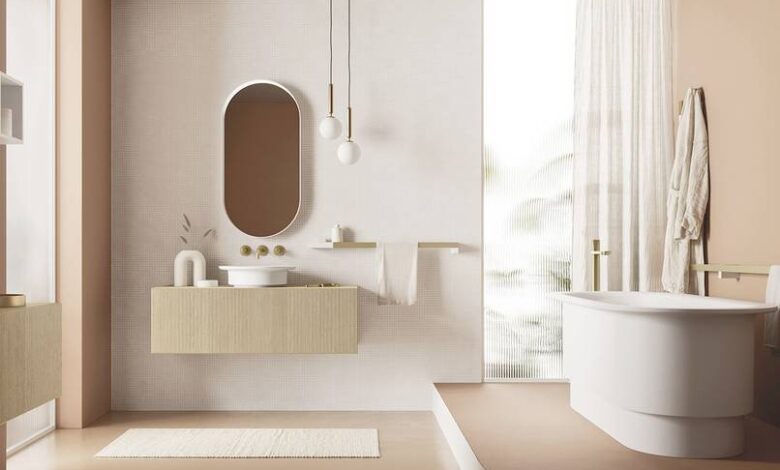
South Florida has always had a distinct design language: bright light, easy movement between indoors and out, and materials that can stand up to heat and humidity. Lately, that language is showing up in a very specific room of the house—the bathroom. Where heavy visual barriers and tight layouts once dominated, homeowners and designers are leaning into open, airy bathrooms that feel more like a private spa than a utilitarian washroom.
What’s driving the shift? It’s not just Instagram. It’s a practical response to climate, lifestyle, and the way South Floridians want their homes to feel right now.
The South Florida Effect: Light, Humidity, and a Desire for “Breeze”
Open bathroom design is having a moment everywhere, but it’s especially at home in Miami-Dade, Broward, and Palm Beach. South Florida homes are built around light—large windows, sliders, and reflective surfaces that make interiors feel bigger and calmer. Bathrooms, historically carved into the center of the floor plan, are finally getting the same treatment.
Humidity plays a role too. A cramped, poorly ventilated bathroom is more than uncomfortable; it can become a maintenance headache. An open layout that encourages airflow (paired with proper exhaust and moisture-resistant finishes) helps reduce that “damp room” feeling and makes the space more pleasant day to day.
And then there’s the lifestyle factor. Many homeowners are choosing to invest in the primary bath the way they might have invested in a gourmet kitchen a decade ago. The bathroom has become a decompression zone. When that’s the goal, openness matters.
The New Luxury: Space That Breathes
“Luxury” used to mean ornament—busy tile patterns, bulky vanities, dark stone. Today, it often means restraint: fewer visual interruptions, cleaner lines, and materials that let natural light do the work. In a region where sunlight is basically a design resource, it makes sense that bathrooms are trending toward brighter, simpler, and more transparent.
Why Frameless Glass (and Fewer Barriers) Fits the Trend
One of the easiest ways to make a bathroom feel instantly more open is to reduce sightline breaks. That’s why you’re seeing fewer shower curtains, fewer thick frames, and fewer half-walls that chop up the room. When the shower enclosure visually disappears, the entire bathroom reads as larger—even if the footprint stays exactly the same.
This is also where homeowners start exploring true frameless enclosures, especially in renovations where the goal is to modernize without moving plumbing. If you’re researching options and want to understand how frameless designs are typically approached in the region (including common layouts and considerations), you can discover frameless shower services in South Florida as a practical reference point while planning.
The larger point isn’t the glass itself—it’s what it does for the room: it lets light travel, keeps finishes visible, and supports that “open suite” feel many homeowners are after.
Open Doesn’t Mean Exposed: Privacy Still Matters
A common hesitation is, “Will it feel too exposed?” Not necessarily. Designers have gotten smarter about privacy without closing everything off. Consider:
- Strategic frosting or fluted glass where it counts
- Partial-height privacy walls that block views but not light
- Planting (yes, even in bathrooms) and layered lighting that softens sightlines
The goal is not a fishbowl. It’s clarity and calm.
Key Design Moves Behind the Airy Bathroom Look
Creating an open bathroom isn’t one single upgrade. It’s a series of choices that work together: layout, materials, lighting, and ventilation. Done well, it feels effortless—though the planning is anything but.
Layout: Fewer Turns, Cleaner Circulation
The most “open” bathrooms share a simple logic: you can move through them without zig-zagging. That may mean:
- Replacing a hinged door that swings into the room with a pocket door
- Shifting the vanity to free up the walkway
- Enlarging the shower footprint so it feels intentional, not tucked away
In South Florida renovations, the biggest wins often come from rethinking clearance and entry points rather than expanding square footage.
Materials: Reflective, Resilient, and Easy to Maintain
Airy bathrooms tend to rely on a tight, cohesive palette. Think warm whites, pale stone, light wood tones, and minimal contrast. In humid climates, though, aesthetics have to meet performance.
Look for porcelain tile that mimics stone (less porous than natural stone), grout choices that resist staining, and cabinetry finishes designed for moisture exposure. If you love the look of natural materials, you can still use them—just do it knowingly, with proper sealing and realistic maintenance expectations.
Lighting: Layer It Like a Hotel Bathroom
If you’ve ever walked into a well-designed hotel bathroom and thought, “Why doesn’t my bathroom feel like this?”—lighting is a big reason.
Aim for layers: ambient lighting for overall brightness, task lighting at the mirror that’s flattering (not harsh), and a softer option for nighttime. In South Florida, where daylight is abundant, pairing natural light with warm artificial light keeps the room from feeling clinical once the sun goes down.
The Practical Side: Moisture Control Is Non-Negotiable
Open and airy only works when the room stays dry enough to protect finishes and indoor air quality. That means ventilation isn’t a box to check—it’s part of the design.
Ventilation: Design for Real Life, Not Best-Case Scenarios
If you’re upgrading a bathroom, make sure the exhaust fan is sized correctly for the room and vented properly. Many homeowners underestimate how much difference this makes. A quieter, higher-performing fan that people actually use beats a noisy unit everyone avoids turning on.
Also consider the placement of supply vents and return air pathways. Airflow design is subtle, but you feel the impact every day—especially in summer.
Drainage and Detailing: Where Open Bathrooms Succeed or Fail
As bathrooms get more streamlined, detailing matters more. Slope to drain, water containment, and waterproofing behind tile are the unglamorous foundations of the whole look. If you’re moving toward a more open shower concept, don’t cut corners on prep work. Pretty finishes won’t forgive a sloppy substrate.
Why This Trend Has Staying Power in South Florida
Some design trends burn hot and disappear. Open, airy bathrooms are different because they align with what South Florida homes naturally want to be: bright, breathable, and oriented around comfort.
They also support real-world priorities—easy cleaning, fewer dust-collecting ledges, and a more accessible layout as people think about aging in place. And in a competitive real estate market, bathrooms that feel modern and spacious tend to photograph better and make a stronger first impression.
The takeaway? You don’t need a massive footprint or a full gut renovation to get the effect. Start with sightlines, light, and smart material choices. In South Florida, where sunshine and style go hand in hand, an open bathroom isn’t just a look—it’s a practical upgrade that makes daily life feel a little more effortless.